

Snoop Dogg and Dr. Dre
When Snoop and Dre lock in together, the goal is never just to “get a vocal.” The goal is to capture a specific kind of feeling that only that pairing creates. Dre builds worlds. Snoop moves through them like conversation. That contrast is the signature. It is why their collaborations feel instantly recognizable, even before you hear a hook.
And when the standard is that high, the recording process becomes less about collecting takes and more about protecting the tone. Because with Snoop, the magic lives in the details. The relaxed timing. The way his voice sits back in the pocket but still lands dead center. The calm confidence that can disappear the moment a session turns into technical problem solving.
That is why the best workflows between artists like Snoop and Dre are built around one simple priority: keep the chain ready so the creative loop stays uninterrupted.
Dre’s reputation is built on being obsessive about sound. Not just mixing, but the entire journey of a vocal from the moment it hits the microphone. If the input is compromised, you spend the rest of the session chasing it. If the input is clean, you get to make decisions that are actually musical. Where does the vocal sit. How dry does it feel. How much space do we allow. How intimate do we want it. Those choices are the difference between a good record and a Dre record.
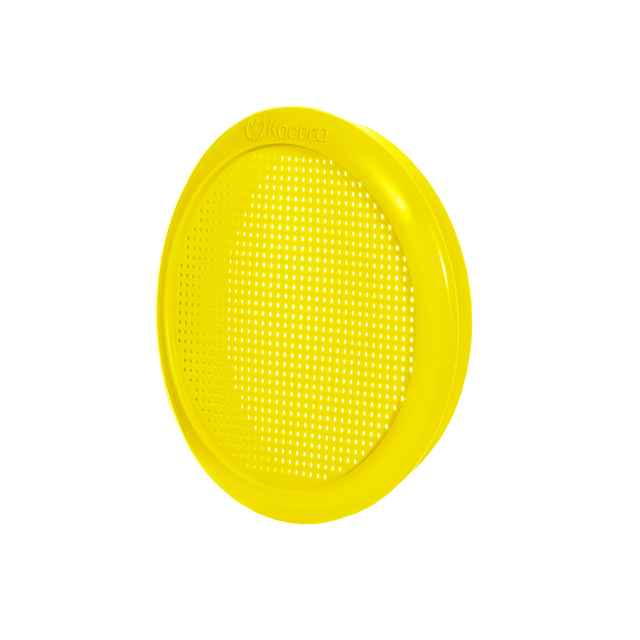
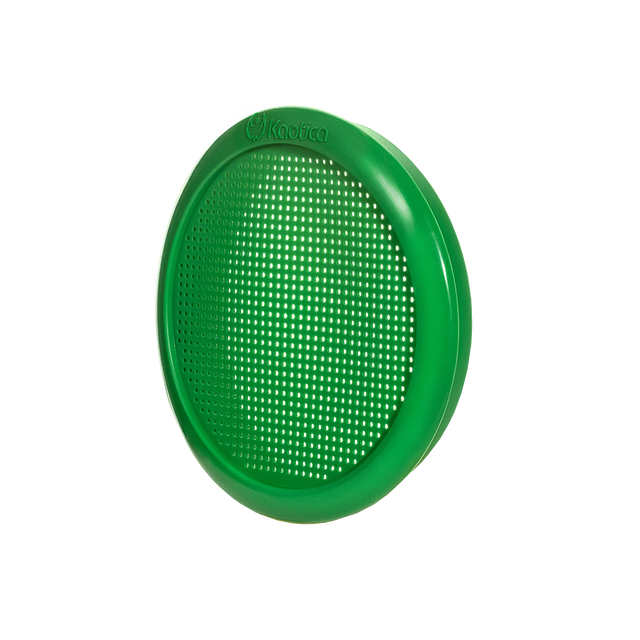
That is where Kaotica becomes a practical tool in a collaboration like this, especially when sessions move between rooms, studios, or locations.
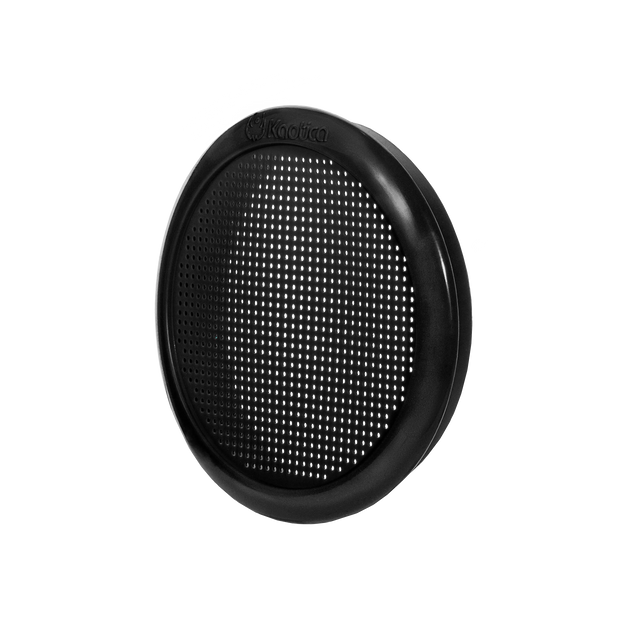
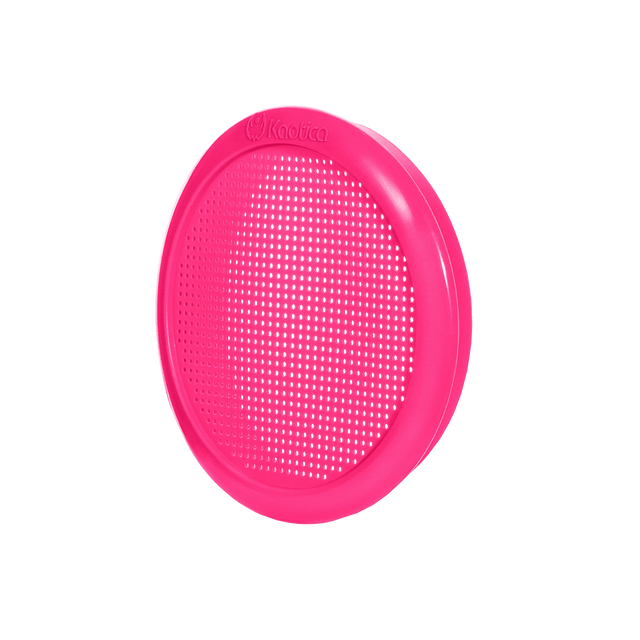
Instead of expecting every environment to behave like a perfect vocal booth, you protect the first link in the chain. The Kaotica Eyeball goes over the microphone at the start of the signal flow. Voice into mic, mic into preamp or interface, into the DAW, then processing and mixing. Kaotica is not changing the rest of the chain. It is improving what the chain receives by helping reduce reflections and room sound at the source.
And that matters because it supports the way Snoop and Dre work together. Their sessions are about momentum. About capturing the right tone while it is there. If Snoop delivers a line with the exact feel Dre wants, the worst outcome is having to redo it because the room got printed into the take. When the capture is controlled, that performance is protected. Dre can shape it, place it, and build the record around it without fighting the environment.
This is the modern version of studio consistency. Not everyone has the luxury of recording every take in the same perfectly treated room, especially when collaborations happen fast and schedules move. But the expectation for sound does not drop just because the location changes. A tool that helps keep the vocal capture consistent gives you more usable takes and fewer surprises when the mix comes together.
The bigger point is that Snoop and Dre are not trying to sound like anyone else. Their identity is the product. Their sound is what people recognize in seconds. Kaotica supports that by doing the least glamorous job in music production: keeping the signal clean enough that the artist’s signature stays intact.
Because when the input is clean, you are not fixing problems. You are building a record.
And that is where great collaborations live.