

Jamie Foxx
Jamie Foxx has always moved between worlds without losing himself. Film sets, stages, studio sessions, late night creative runs that turn into real work. He does not treat music like a hobby he visits when time opens up. He treats it like another place he belongs. And when Jamie records, he cares about one thing as much as any engineer does: the sound has to feel finished, not “close enough.”
That is why his recording journey with Sam Pounds makes sense. Sam is the kind of engineer who understands that great performances are fragile. You do not want to lose the spark by turning a session into a technical struggle. You want the chain to be reliable, the capture to be clean, and the playback to come back sounding like a record so the artist stays locked in.
The interesting part is where they chose to work.
A rented mansion in Atlanta is not a vocal booth. It is not acoustically treated. It is full of big reflective surfaces, tall ceilings, open spaces, and rooms built for living, not recording. That is usually the type of environment that forces compromises. You can get a take, but you end up with room reflections baked into the vocal. Then you spend hours trying to clean it up, and the more you clean, the more you risk stripping the life out of the performance.
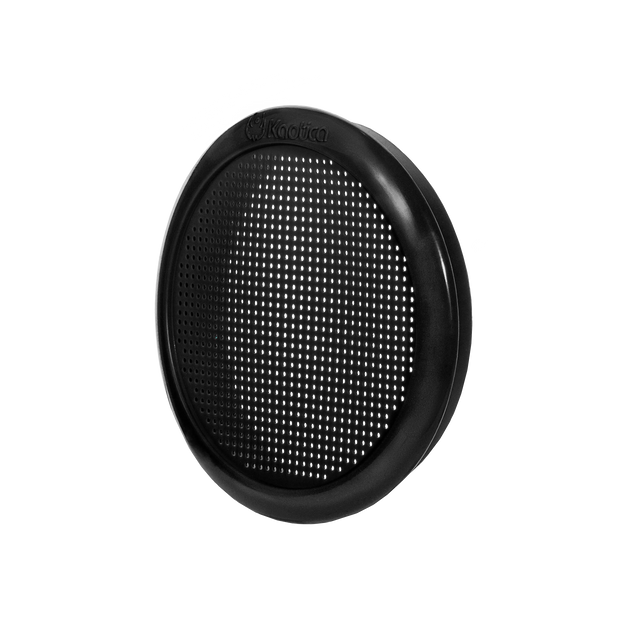
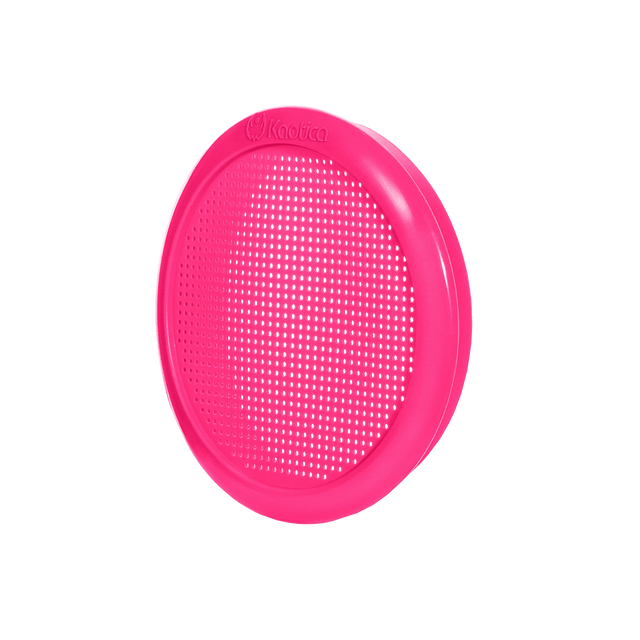
This is where the Kaotica Eyeball becomes more than a convenient accessory. It becomes a quality safeguard.
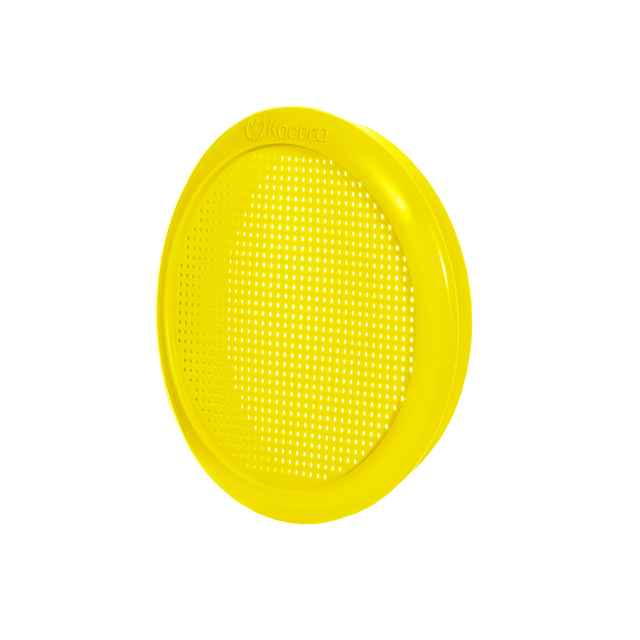
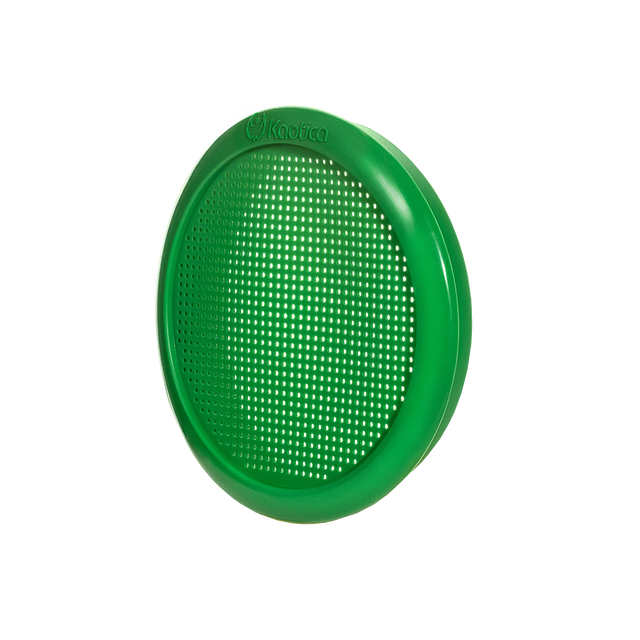
The Eyeball is a patented, engineered microphone isolation system designed to protect what the mic hears at the source. Instead of trying to treat an entire mansion, it treats the immediate capture zone around the microphone. That distinction is everything. Because when the environment is unpredictable, the only way to keep the session moving without sacrificing quality is to control the input before it ever reaches the interface or the DAW.
That is the Kaotica quality aspect people feel, even if they cannot describe it technically. It is the difference between a vocal that sounds like it belongs in a room and a vocal that sounds like it belongs on a record.
With Jamie, that matters because his voice carries so much character. The texture, the dynamics, the phrasing, the way he can lean into a line and make it feel conversational one second and cinematic the next. If room reflections smear those details, you do not just lose clarity. You lose intimacy. Kaotica’s job in that chain is to reduce the room’s influence so the mic captures more of the voice and less of the space.
And the quality advantage compounds when you start stacking parts or collaborating.
When T Pain shows up in a session like that, you are dealing with vocals that are meant to be processed, layered, shaped, and placed. Effects like Auto Tune and modern vocal chains work best when the input is clean and focused. The cleaner the capture, the more controlled the processing, and the more natural the end result feels, even when it is heavily stylized. That is where a controlled source recording saves time and preserves tone. You are shaping sound by choice, not fighting sound by necessity.
The proof of a setup is simple: does the work make it to the final record.
In this case, it did. Songs tracked in an unconventional environment still held up in the final mix, which is the real measure of quality. Not whether something “sounds okay” in the moment, but whether it stays usable when the track gets loud, layered, and polished.
That is why Kaotica becomes part of serious workflows. Not because it replaces studios, but because it protects studio level capture when the session is happening somewhere else. It allows artists and engineers to move quickly without lowering the standard, and it keeps the focus where it should be, on performance, emotion, and making something that lasts.
Jamie Foxx’s mansion sessions are a perfect example of what modern recording has become. Great music is not always created in perfect rooms. It is created where the energy is right. The Kaotica Eyeball simply makes sure the audio quality meets the moment.