


Offset has always recorded like the clock is running. Not in a rushed way, but in the way artists do when they know the best takes happen while the energy is still in the room. His delivery is rhythmic and precise, but it is also instinctive. He catches pockets. He switches patterns. He stacks lines with a kind of momentum that is hard to recreate if you stop and start too many times. For an artist like that, the best recording setup is the one that keeps him moving.
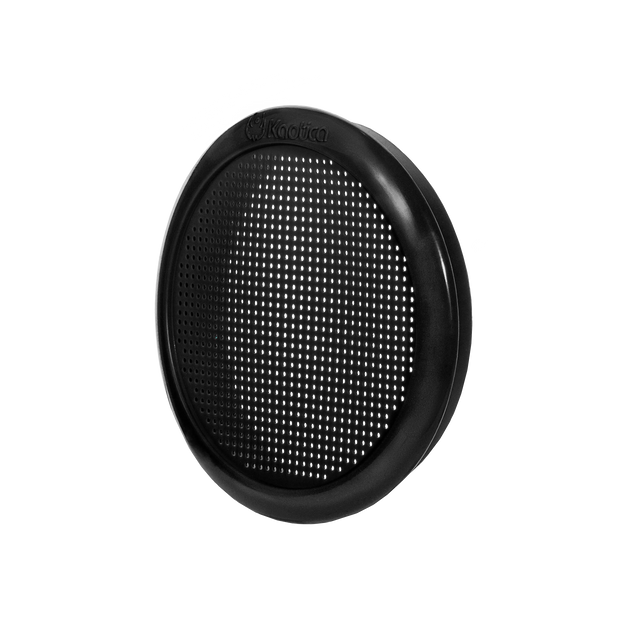
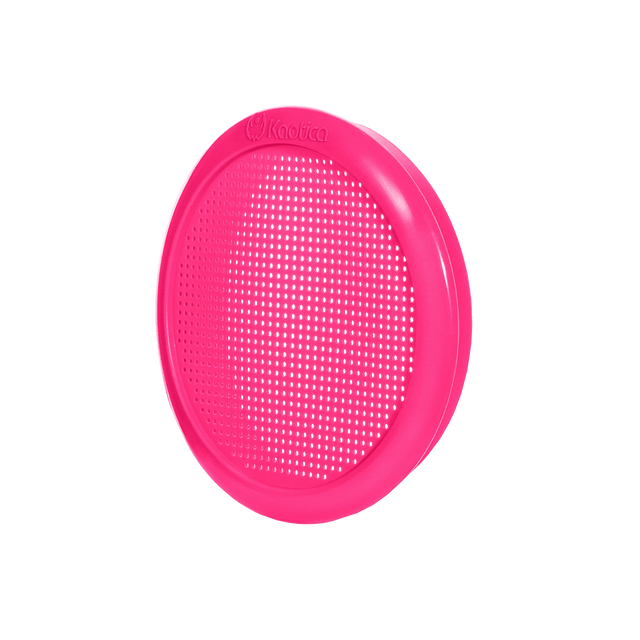
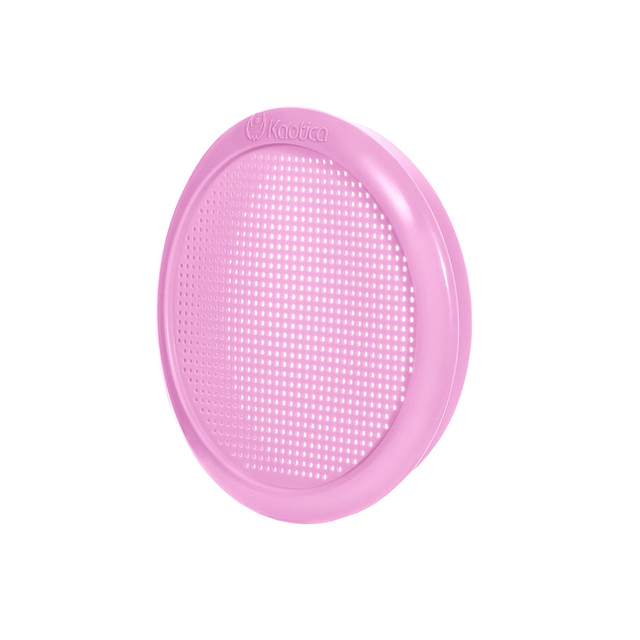
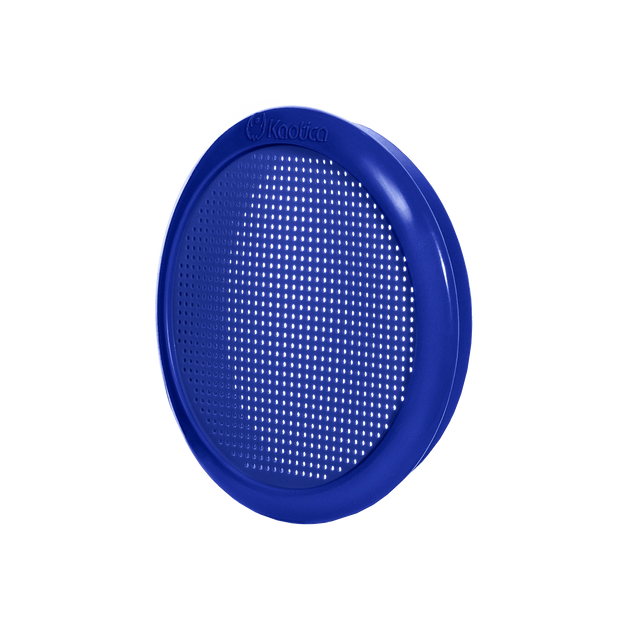
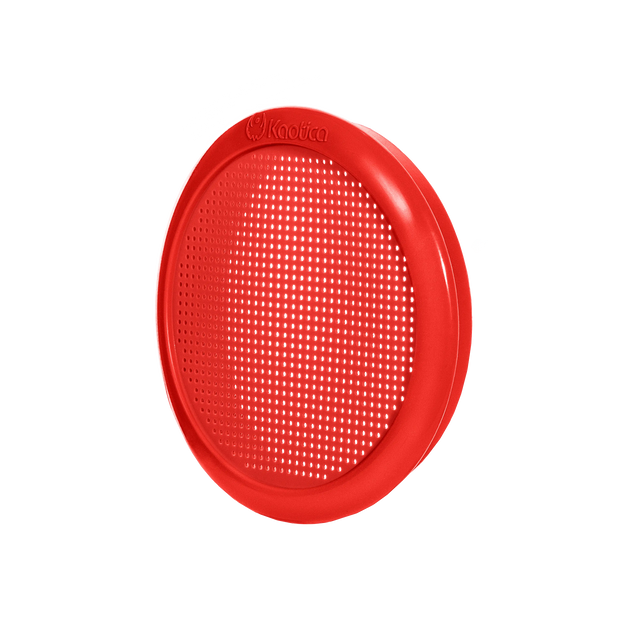
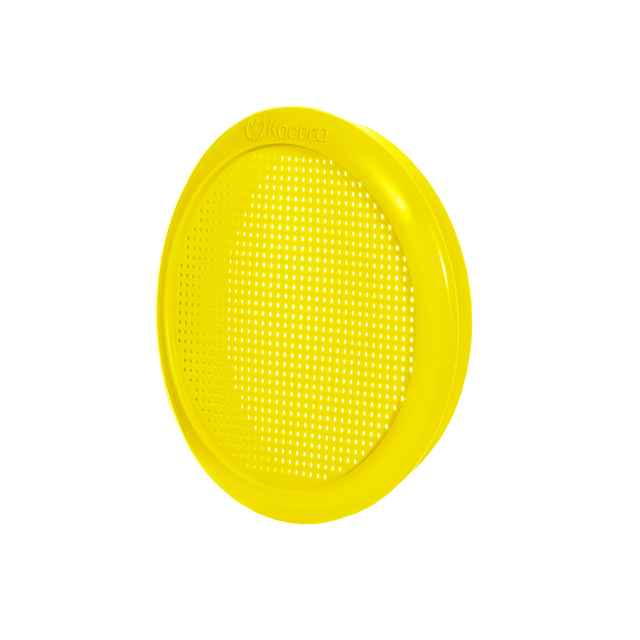
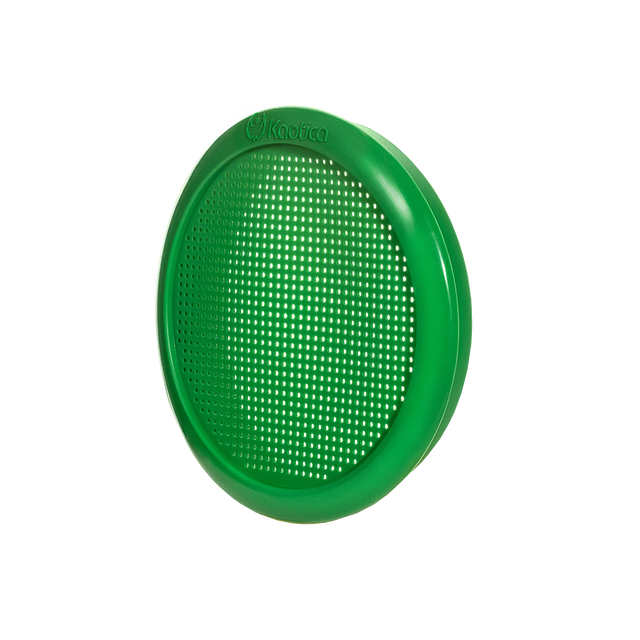
That is the context where the Kaotica Eyeball makes sense in his world.
Offset’s schedule is not built around one permanent studio. It is built around motion. Home, travel, sessions that happen fast, ideas that show up between commitments. The challenge is that the standard does not change just because the location changes. The vocal still has to sound clean. The takes still have to be usable. The performance still has to sit in the track the way it is supposed to.
And the enemy in those situations is almost never the microphone. It is the room.
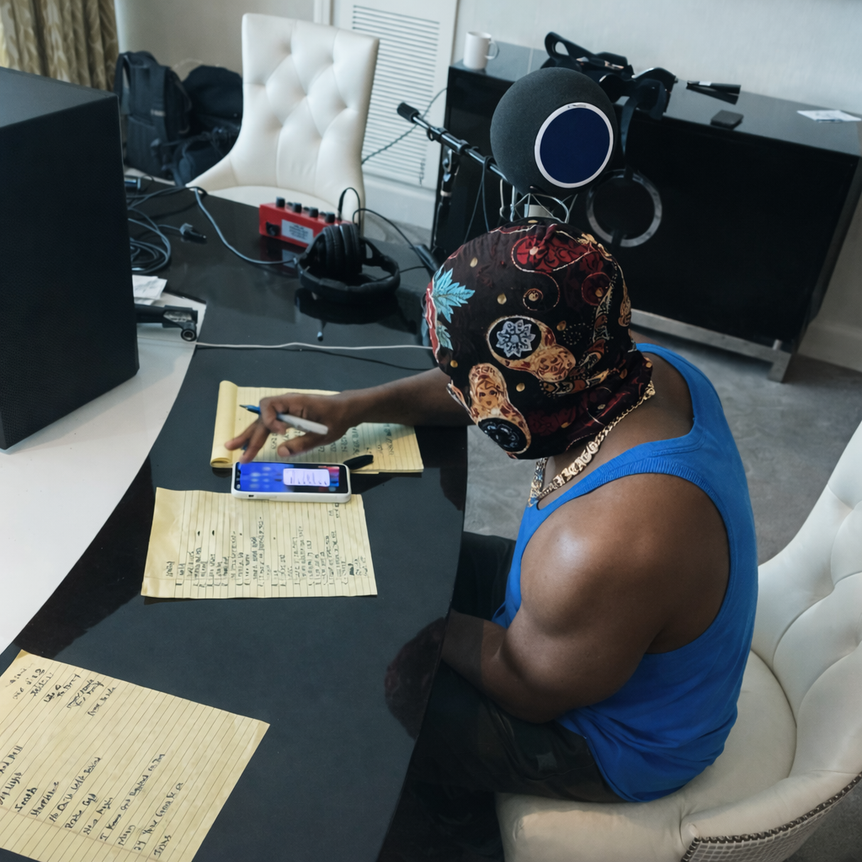
Hotel rooms have weird reflections. Temporary spaces add boxiness and echo. Backstage areas come with noise and unpredictable acoustics. If you record a vocal in a room that is fighting you, that fight gets printed into the audio. Then the whole session shifts from creating to correcting. That is where momentum dies.
Kaotica was designed to protect momentum by protecting the first link in the chain.
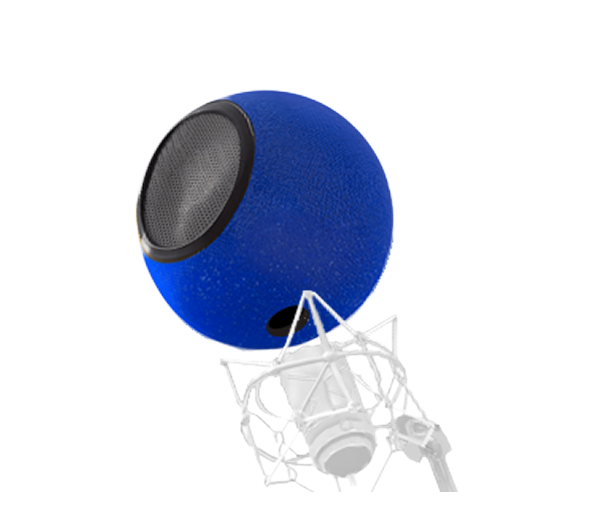
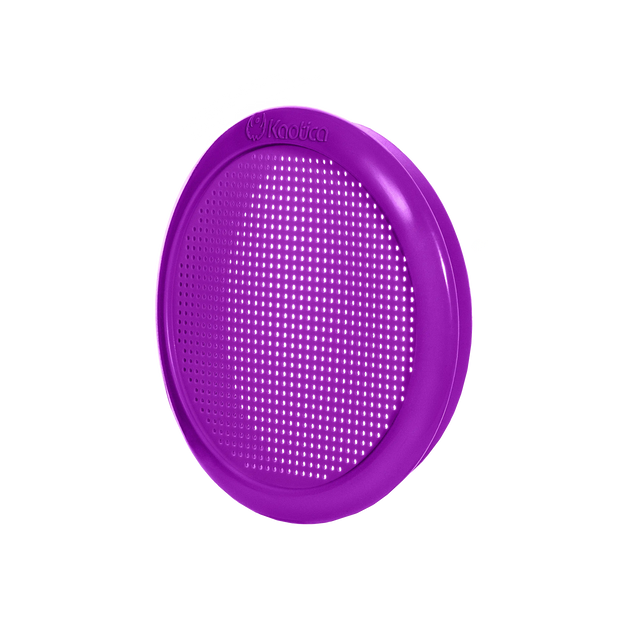
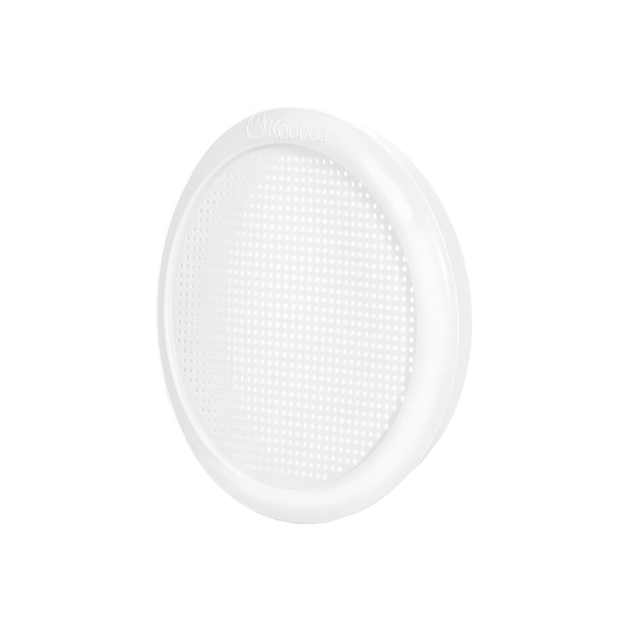
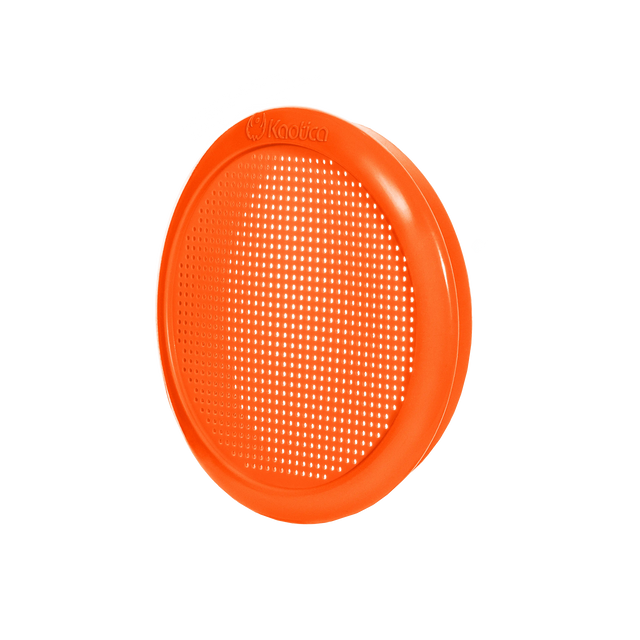
The Eyeball fits over the microphone at the start of the signal flow, creating a controlled capture zone around the mic so reflections and unwanted room sound have less influence on the take. The rest of the chain can stay the same. Mic into interface or preamp, into the DAW, then the processing and mix. Kaotica is not replacing the workflow. It is improving what the workflow receives.
When the input is cleaner, everything downstream becomes easier. You do not have to over process just to get clarity. You do not have to carve away the room with aggressive EQ and noise reduction that can thin the vocal. You get a focused take that still feels like Offset. That matters because his sound is the product. His timing, his tone, his presence. You want the vocal to arrive with all of that intact.
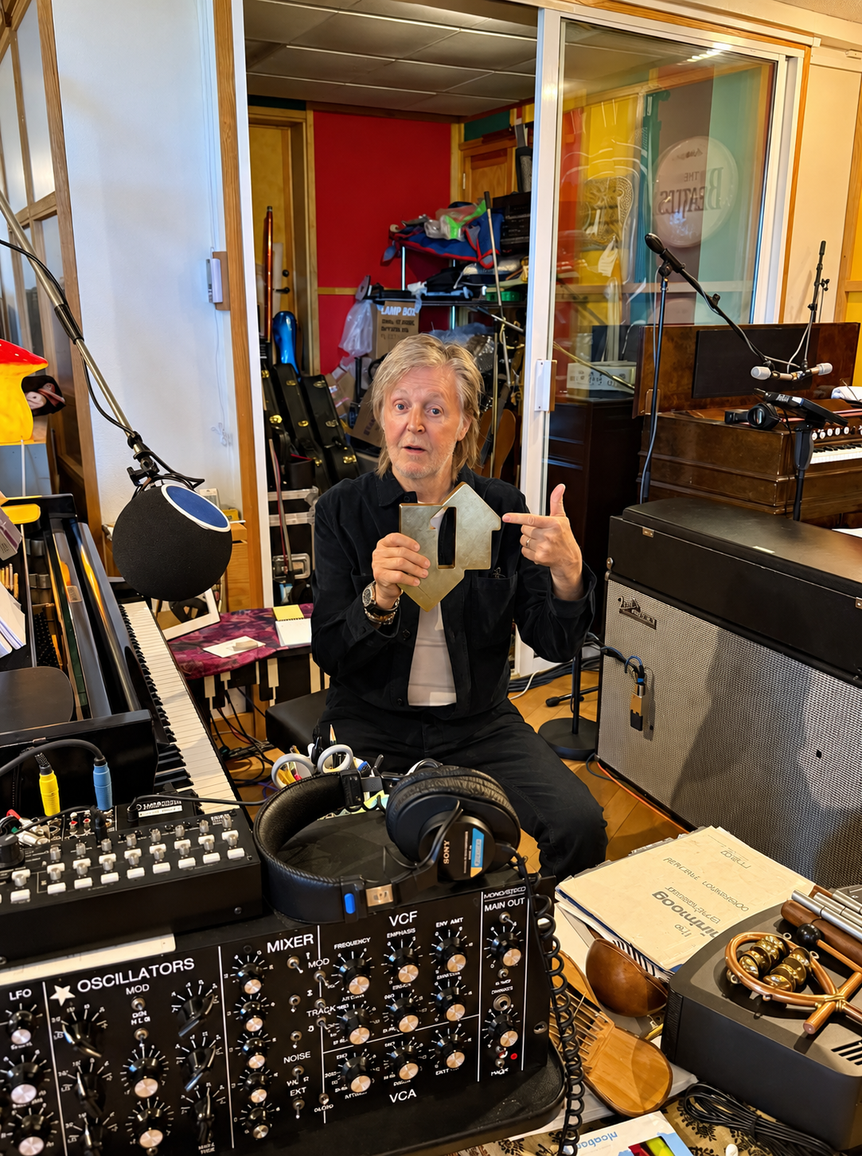
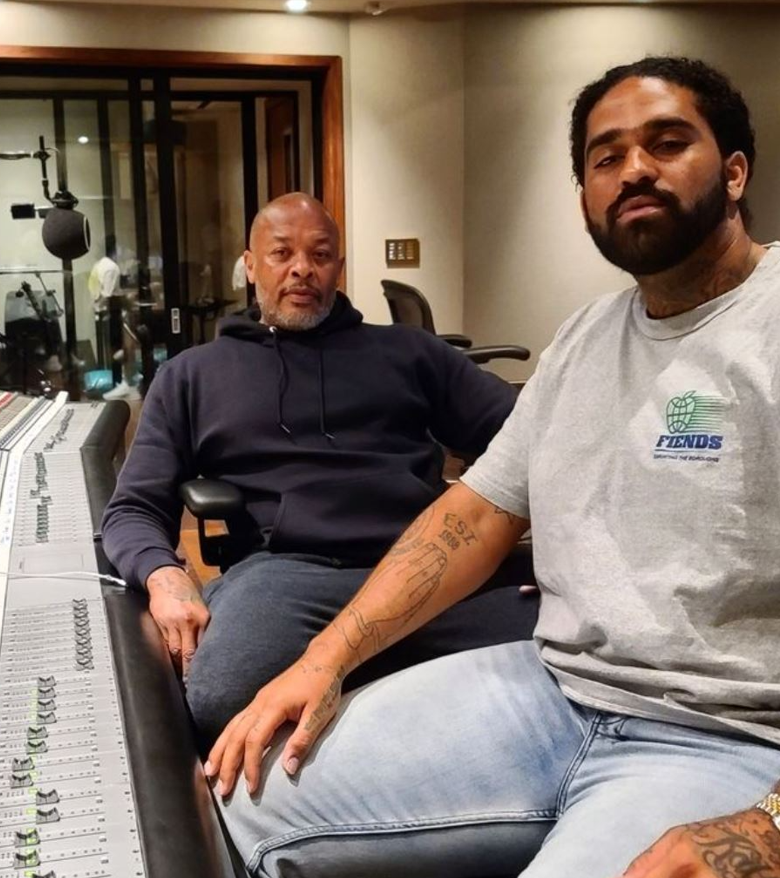
What makes Offset’s story even more real is that tools rarely enter an artist’s orbit randomly. They come through relationships. Through engineers and collaborators who care about results and repeatable workflows. In Offset’s case, engineers who know his sound and understand the importance of clean capture have been part of the reason the Eyeball became a staple. When the people responsible for the final vocal know a tool saves time, protects tone, and keeps sessions moving, it gets used again. And again. That is how something becomes part of the process.
This is the part people miss. Great artists do not use technology to become different. They use it to stay themselves in more places.
Offset’s performances depend on feel and immediacy. The Kaotica Eyeball supports that by making recording more consistent when the environment is not. It gives him the freedom to capture vocals with confidence, whether he is at home, on the road, or in the middle of a fast moving session.
In the end, the relationship between an artist and a tool is simple. If it protects the sound and protects the moment, it stays.
And for an artist like Offset, protecting the moment is everything.