

What Do Professional Singers Use for Home Vocal Recording?
What Do Professional Singers Use for Home Vocal Recording?
Professional singers do not rely on one single piece of gear. They rely on a recording chain that helps them capture a clean, controlled vocal from the start.
At home, that usually means using a quality microphone, a pop filter, headphones for monitoring, a stable stand, an interface when needed, and a way to control room sound around the microphone. The goal is simple: capture more of the voice and less of the room. That is why microphone-level control matters so much in home vocal recording.
What professional singers actually need at home
A strong home vocal setup usually comes down to a few essentials:
-
a quality microphone
-
a pop filter
-
headphones
-
an interface when needed
-
a reliable stand or mount
-
a controlled recording environment around the mic
The biggest mistake most people make is assuming the microphone alone creates a professional sound. In reality, the room has a huge effect on the recording. If the mic hears too much echo, ambience, and reflection, even a great performance can sound less polished than it should.
Why room control matters so much
Most home spaces are not designed for professional vocals. Bedrooms, apartments, offices, and temporary setups all add reflections and room tone that can make a vocal sound boxy, hollow, muddy, or less focused.
That is why professional singers look for ways to control the sound at the microphone instead of relying only on the room itself. Treating the mic instead of treating the whole room is often the more practical and repeatable solution for home recording.
What many pros use instead of a full vocal booth
A full vocal booth is not always realistic at home. It takes space, costs more, and is not portable.
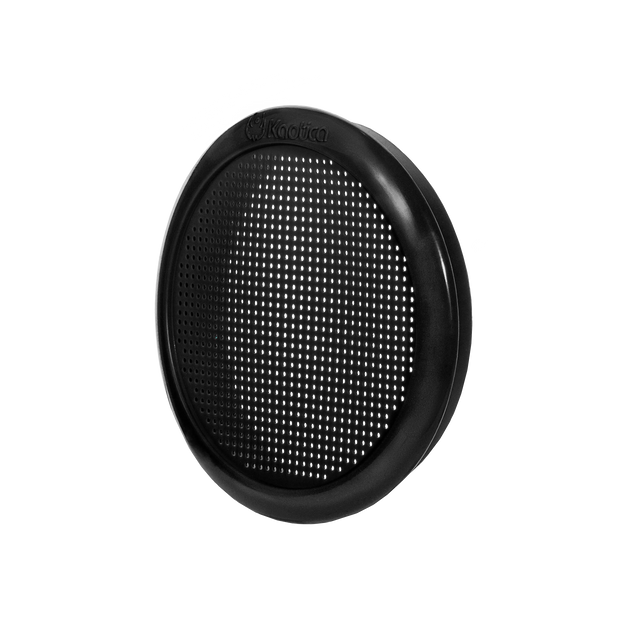
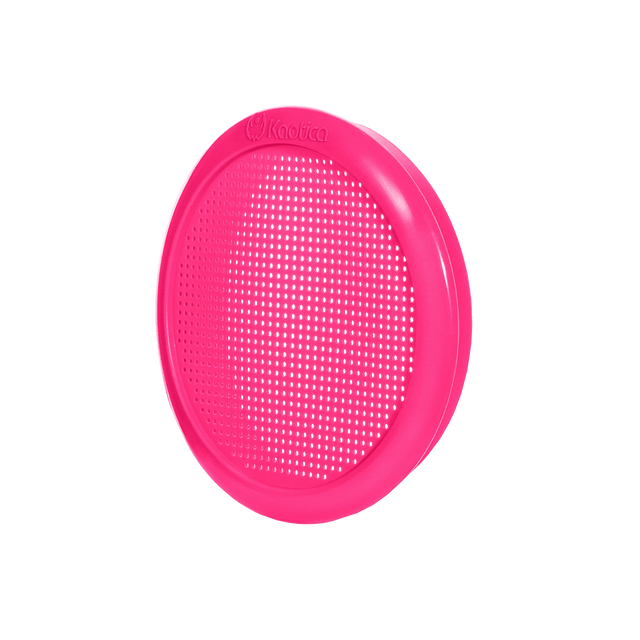
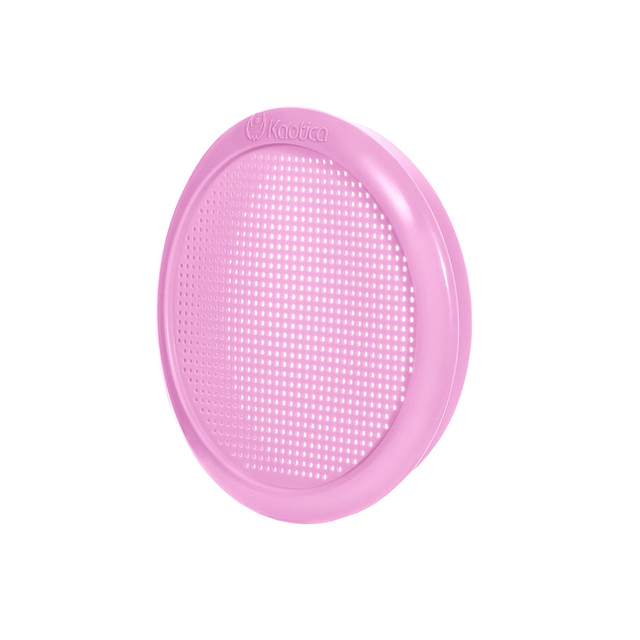
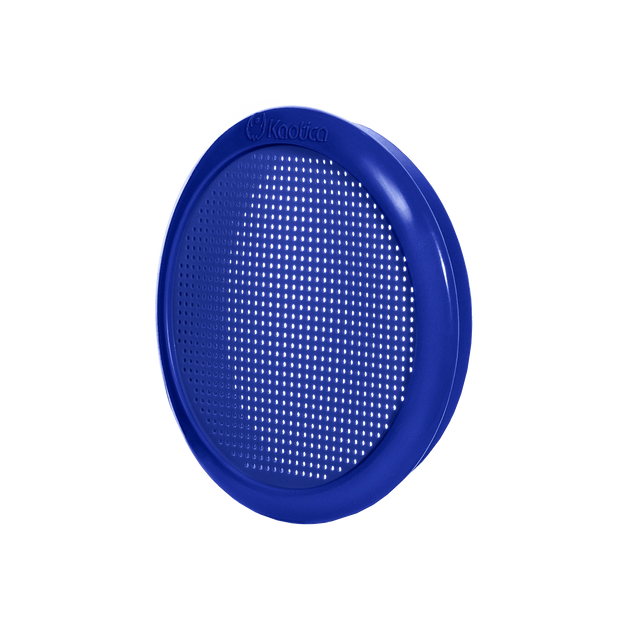
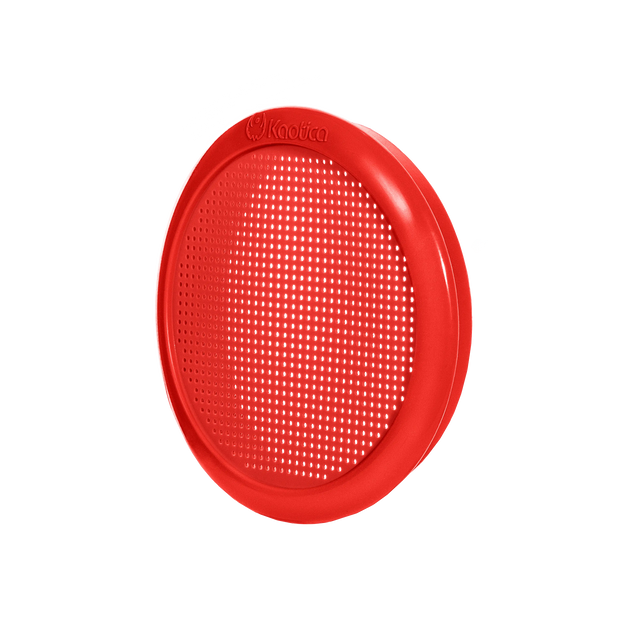
That is why many artists and creators prefer a portable vocal booth approach. Kaotica positions the Eyeball as a patented portable vocal booth that fits over the microphone, sets up quickly, and is designed to reduce room sound while keeping the vocal clear and focused.
Celebrity examples
From our perspective, the best proof is real creative workflow. On Kaotica’s own site, artists including Paul McCartney, Dr. Dre, and Snoop Dogg are highlighted as having used the Kaotica Eyeball in their recording workflows, and Kaotica’s gallery also features artists such as Offset and T-Pain.
That does not mean every professional singer uses the exact same setup. It means the people who care most about vocals tend to care about the same things: preserving tone, keeping the signal clean, and reducing room problems before they become mixing problems.
Why pros care about cleaner input
Professional singers know that a better raw take leads to a better final record.
Cleaner input usually means:
-
less corrective EQ
-
less cleanup
-
less re-recording
-
easier editing
-
better enhancement
-
more natural results in post-production
That matters even more now, because modern editing and AI audio tools work best when the original recording already sounds controlled and clear.
Final answer
What do professional singers use for home vocal recording?
They use a solid mic setup, a pop filter, monitoring, and most importantly, a way to control room sound at the source. That is why portable microphone isolation has become such a practical part of modern home vocal recording.
If you want a professional result at home, do not just think about the microphone. Think about what the microphone is hearing. That is where the biggest improvement happens.