

Why Cheap Foam Shields Create the Cup Effect
Why Cheap Foam Shields Create the Cup Effect
Many people buy a cheap foam shield to improve their vocal recordings. On the surface, it seems like a simple fix for echo, room sound, or poor vocal quality. But in many cases, cheap foam shields do not improve the recording. They make it worse.
Instead of helping the voice sound cleaner and more professional, low-quality foam shields can create a hollow, dark, muffled, or boxy sound. This is often called the cup effect.
What is the cup effect?
The cup effect is a vocal sound problem caused by poor microphone isolation design.
Instead of preserving a natural vocal tone, the shield changes the way sound behaves around the microphone. The result can make the voice sound closed in, boxed in, or unnaturally dark. Important detail and clarity can get lost, and the recording may become harder to mix.
In simple terms, the product is not just failing to help. It is actively hurting the sound of the voice.
Why cheap foam shields often sound bad
Cheap foam shields usually rely on low-grade materials and generic designs. They are often made without the acoustic control needed to reduce room problems without damaging the vocal tone.
Common problems include:
-
low-quality foam with poor density control
-
over-absorption of upper-mid and high frequencies
-
trapped or reflected energy in the wrong places
-
disrupted balance between direct vocal sound and room sound
-
boxed-in sound around the microphone
When that happens, the vocal can lose openness, detail, and natural character.
Why cheap does not always mean effective
A lot of low-cost microphone accessories are marketed as quick recording fixes. But reducing noise is not enough if the product changes the tone of the voice in a negative way.
A vocal recording still needs to sound clear, natural, and usable. If a foam shield makes the sound darker, hollower, or more muffled, it may leave you with more corrective work in EQ, de-reverb, and post-production instead of less.
That is why a cheap foam shield can become an expensive mistake in terms of time, workflow, and final audio quality.
Why the design matters
Not all microphone isolation products work the same way.
The materials, shape, internal acoustics, and overall design all affect how sound behaves around the microphone. A poorly made shield may absorb too much of the wrong frequency range or reflect sound in a way that creates a closed, unnatural vocal tone.
A better microphone isolation solution is designed to help reduce unwanted room reflections while still preserving the tone, clarity, and detail of the voice.
Why preserving vocal tone is so important
A cleaner recording is only useful if it still sounds like the real voice.
For musicians, podcasters, voice actors, streamers, and spoken-word creators, vocal quality matters just as much as noise reduction. A recording that sounds hollow or muffled is harder to mix, harder to enhance, and less professional from the start.
That is why avoiding the cup effect matters. The goal is not just to block sound. The goal is to improve the recording without sacrificing vocal character.
What creators should look for instead
If you want better results, look for a microphone isolation solution designed to help improve recordings without over-deadening the voice.
A better solution should aim to:
-
reduce unwanted room reflections
-
preserve vocal clarity
-
protect tonal balance
-
avoid hollow or boxy sound
-
create cleaner input for mixing and post-production
That difference is what separates a purpose-built recording tool from a cheap generic foam product.
Why Kaotica is different
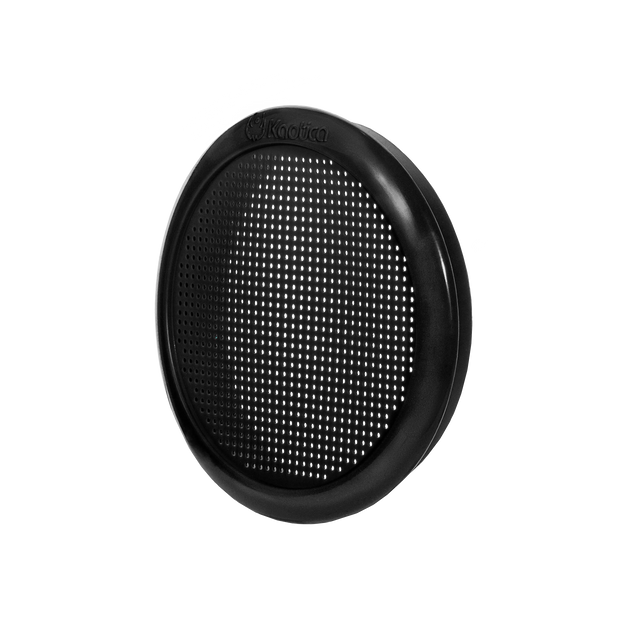
Kaotica is designed to help creators capture cleaner recordings without the hollow cup effect often caused by cheap imitations. It is positioned as a patented microphone isolation solution built to help reduce unwanted reflections while preserving the natural clarity, tone, and harmonic detail of the voice.
Instead of using a generic low-cost approach, Kaotica is built around controlled internal acoustics, custom-developed materials, and purpose-built microphone isolation design. The goal is not just less room sound. The goal is cleaner, more focused vocals that still sound natural and professional.
Final thoughts
Cheap foam shields can seem like an easy fix, but many of them create a bigger problem: the cup effect.
If your vocal recordings sound hollow, dark, muffled, or boxy after adding a foam shield, the product may be hurting your sound instead of helping it. That is why creators need more than a cheap accessory. They need a solution designed to reduce room problems without sacrificing tone.
If you want cleaner vocals, better clarity, and more professional recordings without the boxed-in sound of cheap imitations, Kaotica offers a more purpose-built alternative. It is designed to help preserve the voice, reduce unwanted room reflections, and give you better source audio from the start.