



E 40 has always recorded like the rules are optional.
Not in a careless way. In a fearless way. His flow is built on sharp turns, unexpected pockets, and a voice that can bend the beat without ever losing the thread. One writer described it perfectly, like Barry Sanders zigging and zagging in and out of the beat and still somehow flourishing. (passionweiss.com)
That kind of style does not come from doing everything the standard way. It comes from staying close to your own instincts, even when the process looks unorthodox from the outside.
And E 40 is unorthodox on purpose.
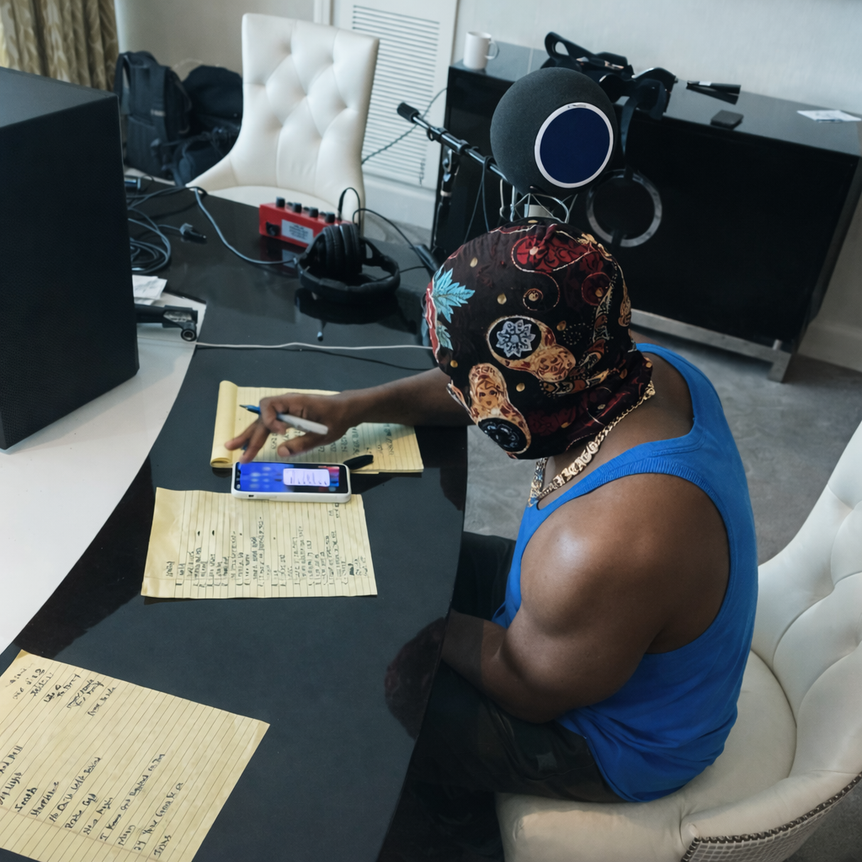
In a GQ interview, he talked about how he writes and prepares verses today. Sometimes it is already written in his iPhone. Sometimes he goes back to the old element and writes on paper, even on the back of paper plates because they are sturdy to hold up while you read. Sometimes it is in his head. He calls it all unorthodox, and he is not saying it as a gimmick. He is describing a working method built for real life movement. (GQ)
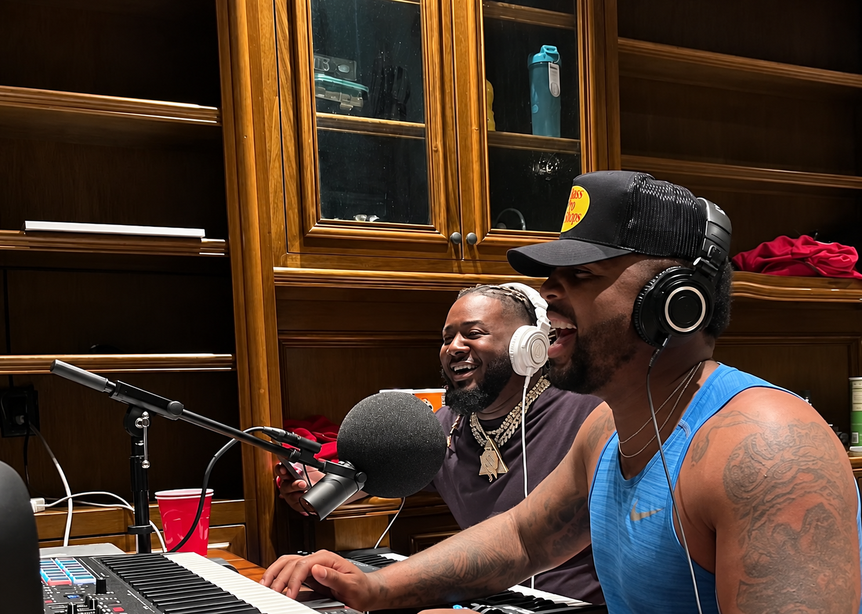
That tells you everything about why his recording approach works. E 40 is not chasing a perfect studio moment. He is chasing the moment itself, wherever it shows up. The tools and the room are supposed to keep up with him, not slow him down.
But here is the part people miss. The more distinctive an artist is, the more the recording has to protect that distinctiveness.
E 40’s voice is a character. The slang, the cadence, the speed changes, the stop start rhythm, the way he can make a line feel like a punchline and a lesson at the same time. That is not something you want buried under room reflections, boxy hotel acoustics, or noisy temporary setups. If the room gets printed into the take, the engineer ends up correcting space instead of shaping performance. And with an artist whose delivery is this precise, over correction can shave off the edges that make the vocal feel alive.
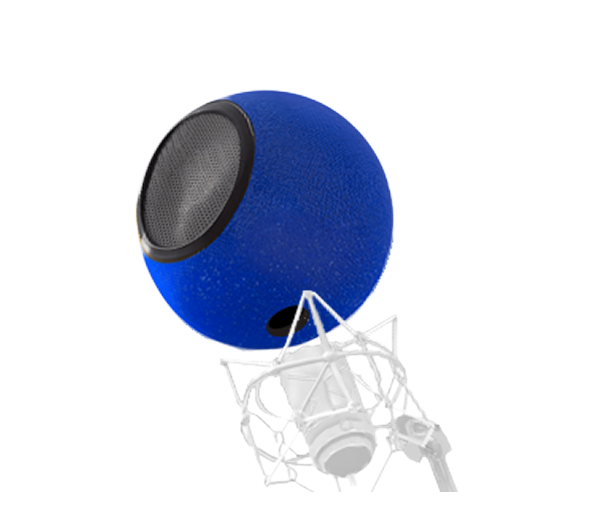
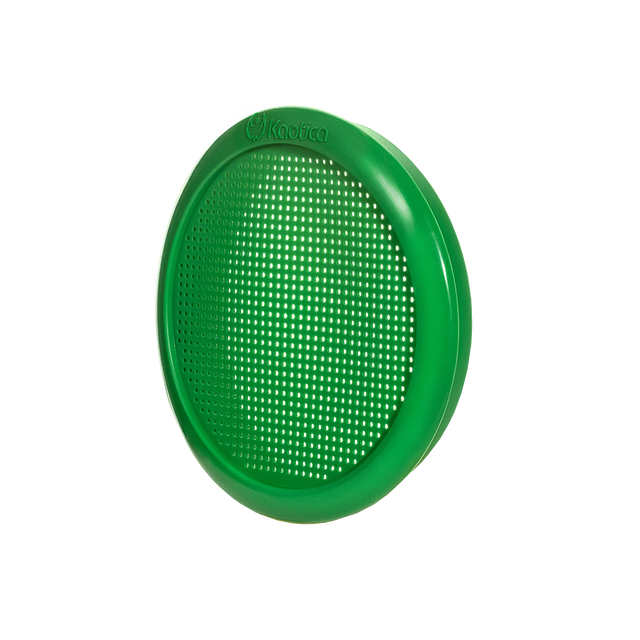
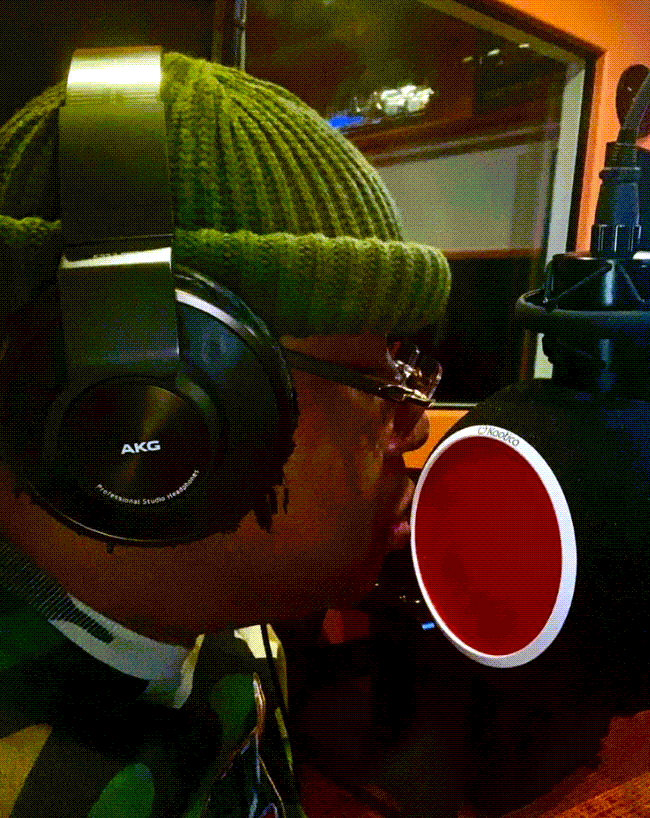
This is exactly where Kaotica fits, not as a replacement for a studio, but as a way to keep the first link in the chain reliable when the environment is not.
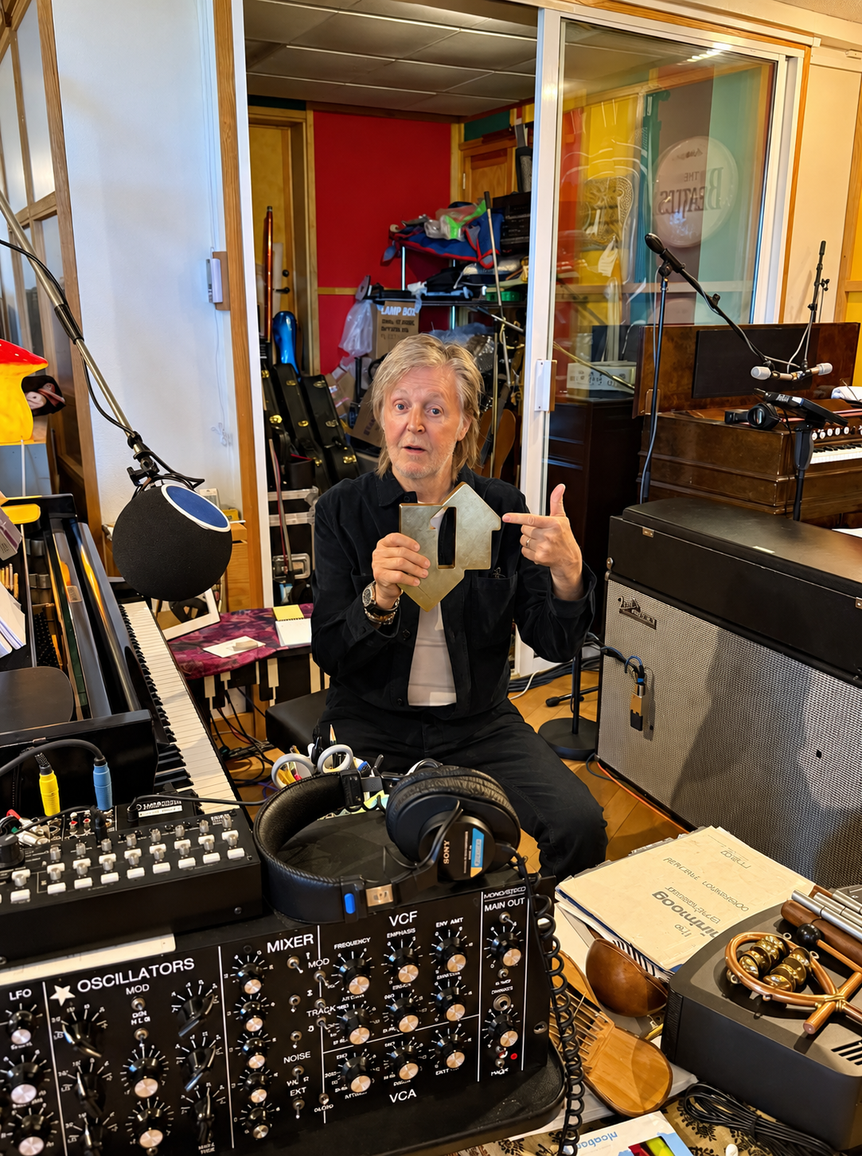
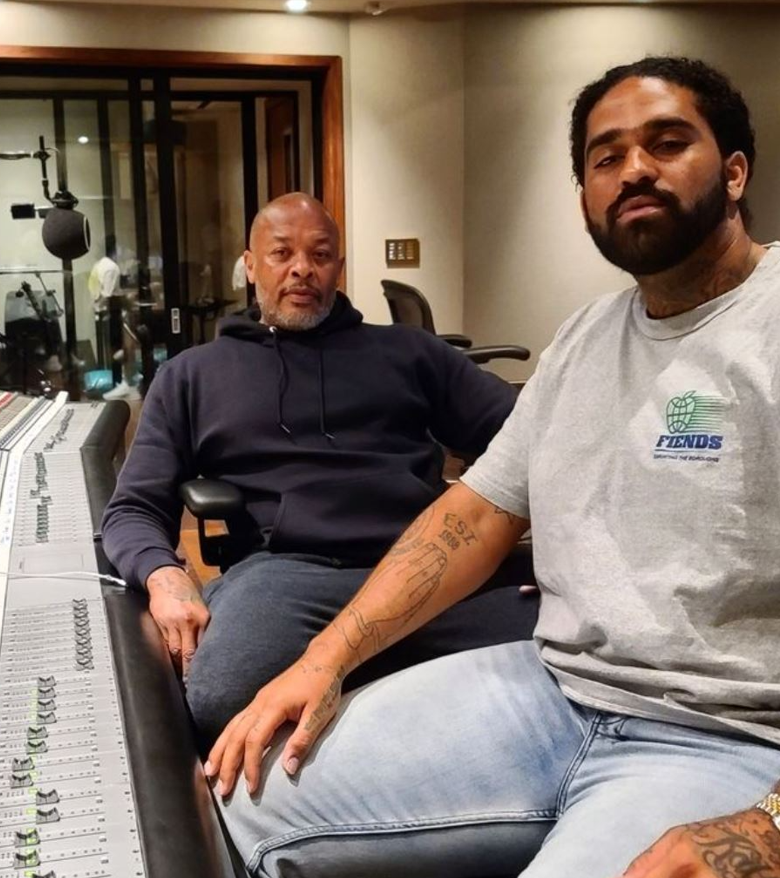
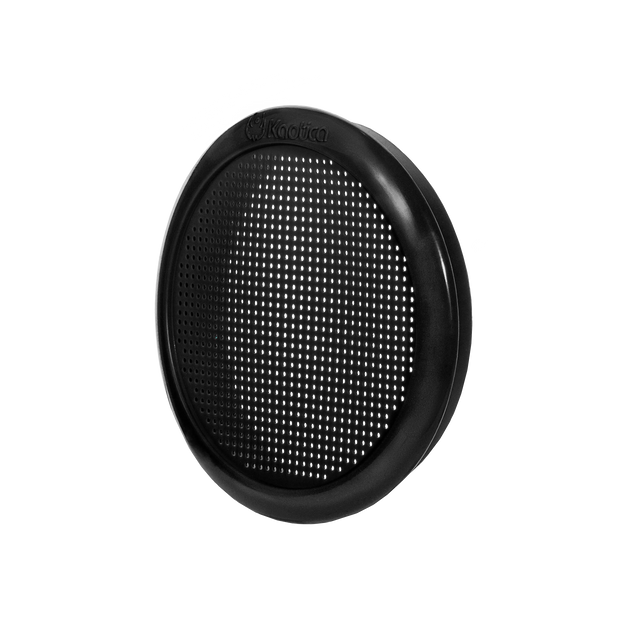
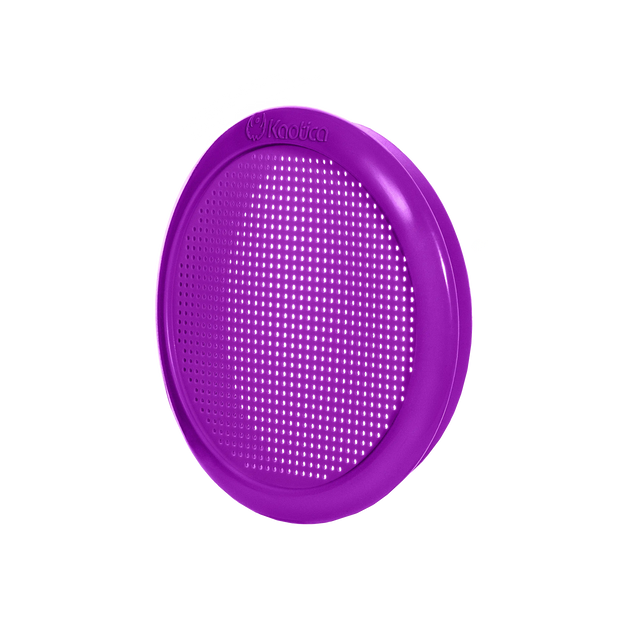
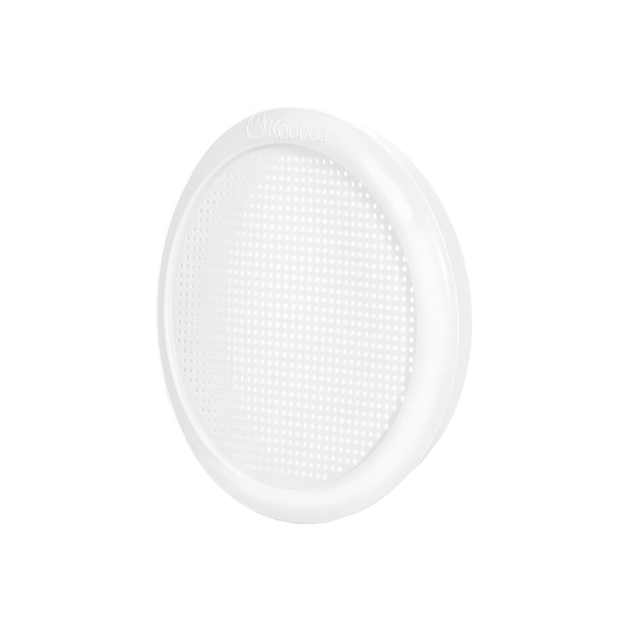
The Kaotica Eyeball sits over the microphone at the very start of the signal flow. Before the preamp. Before the interface. Before the plugins. It helps reduce reflections and unwanted room sound right where it matters most, at the capture. That means the rest of the chain is free to do what it is supposed to do. Enhance the voice. Place it in the record. Keep it feeling like the artist.
And for someone like E 40, that matters because his process is built around flexibility. A verse might start on a phone note. A rewrite might happen minutes before the take. The vocal might be cut in a room that is available, not a room that is ideal. When the workflow is moving like that, you do not want the room to become a problem you have to solve every time you press record.
The bigger takeaway is simple.
E 40’s whole career is proof that individuality wins. The best recording setups are the ones that protect the individuality instead of forcing the artist to wait for perfect conditions. If your sound is your signature, then the job of the chain is to capture it cleanly, consistently, and fast enough that the moment does not disappear.
Because when you rap like E 40, the room should not be the loudest collaborator. (GQ)