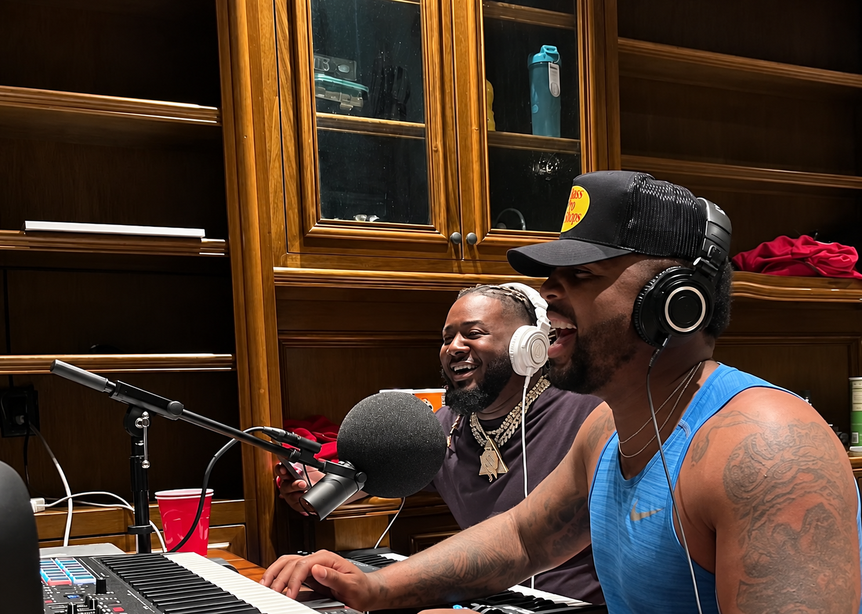







2 Chainz is the kind of artist who does not wait for ideal conditions. He moves with momentum. When the energy is right, he records. When the line is fresh, he puts it down. That mindset is part of why his records feel confident and immediate. They are built in motion, not in perfect silence.
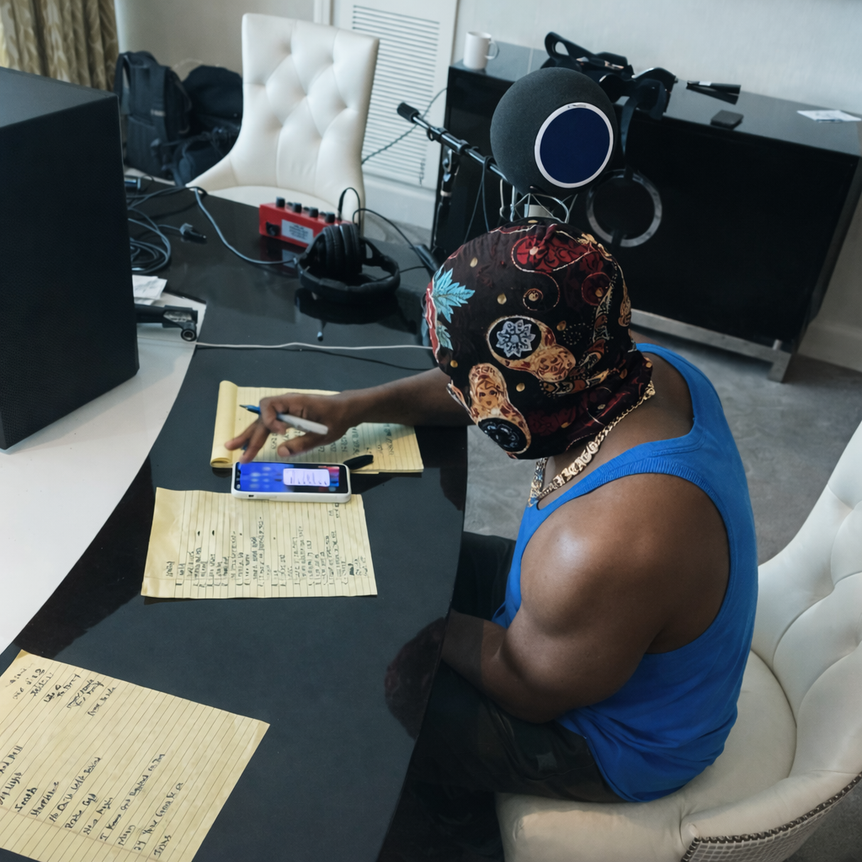
So when he broke his leg in the middle of the Pretty Girls Like Trap Music era and ended up confined to a hotel room, it could have easily stalled everything. Anyone who has tried recording in a hotel knows the problem. The room is never neutral. The ceilings are wrong. The reflections are harsh. Background noise creeps in. The vocal ends up sounding like a hotel, not like a record. And once that “room” is printed into the take, the mix becomes an uphill climb.
But this is where a modern recording truth shows itself. You do not always need a bigger studio. You need a better capture.
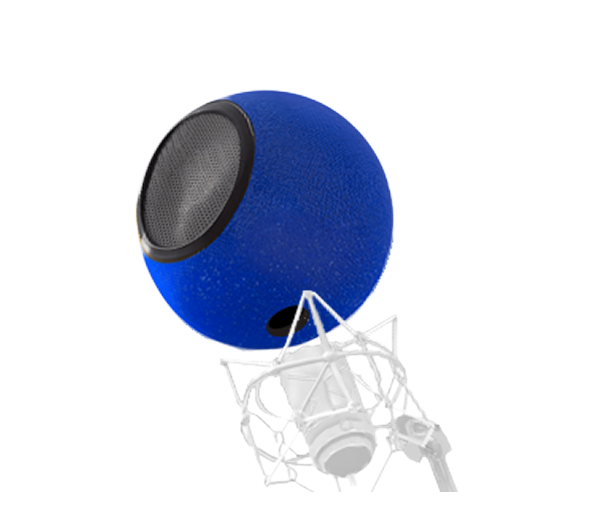
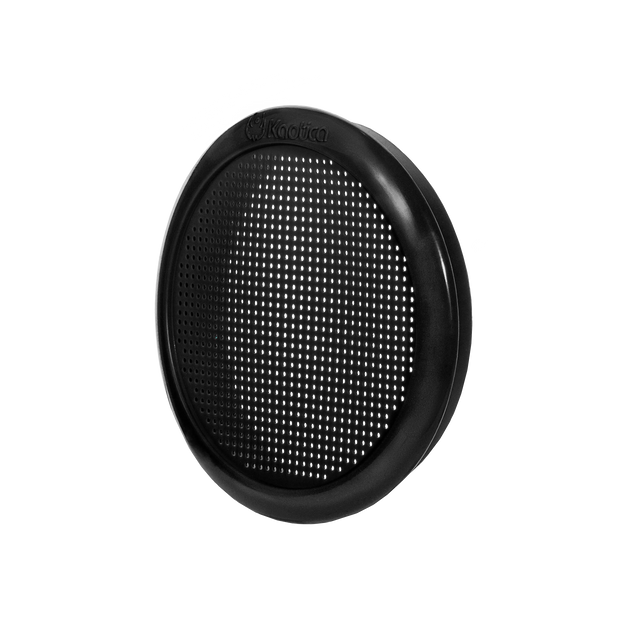
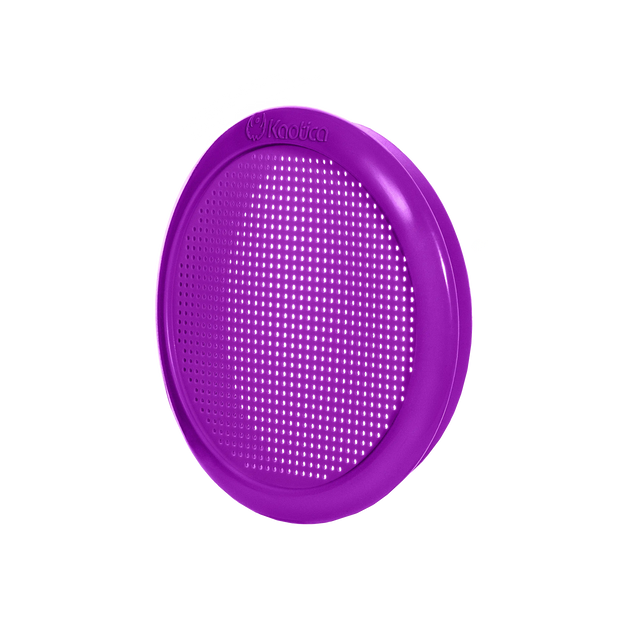
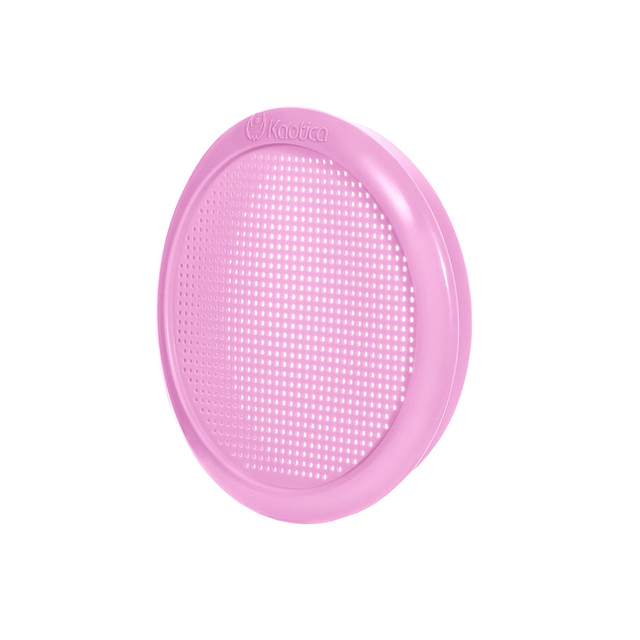
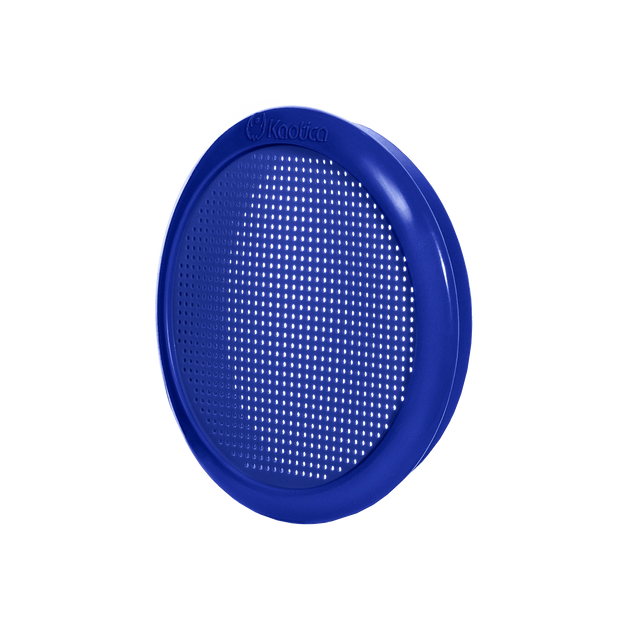
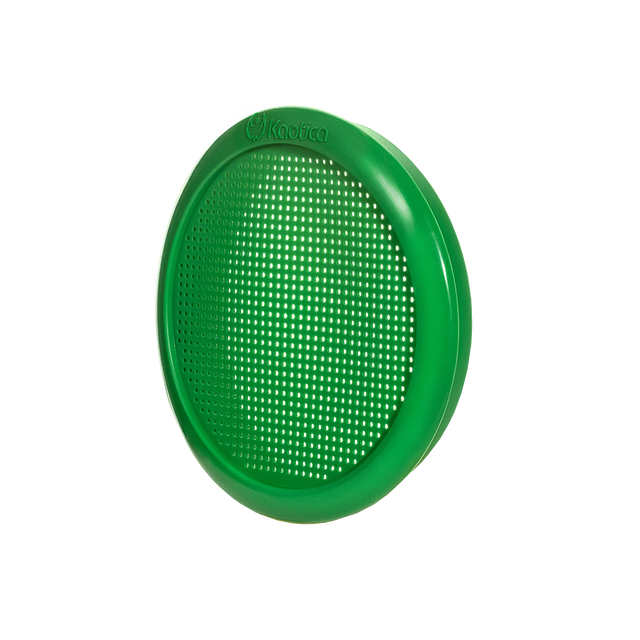
That is exactly what the Kaotica Eyeball was built for.
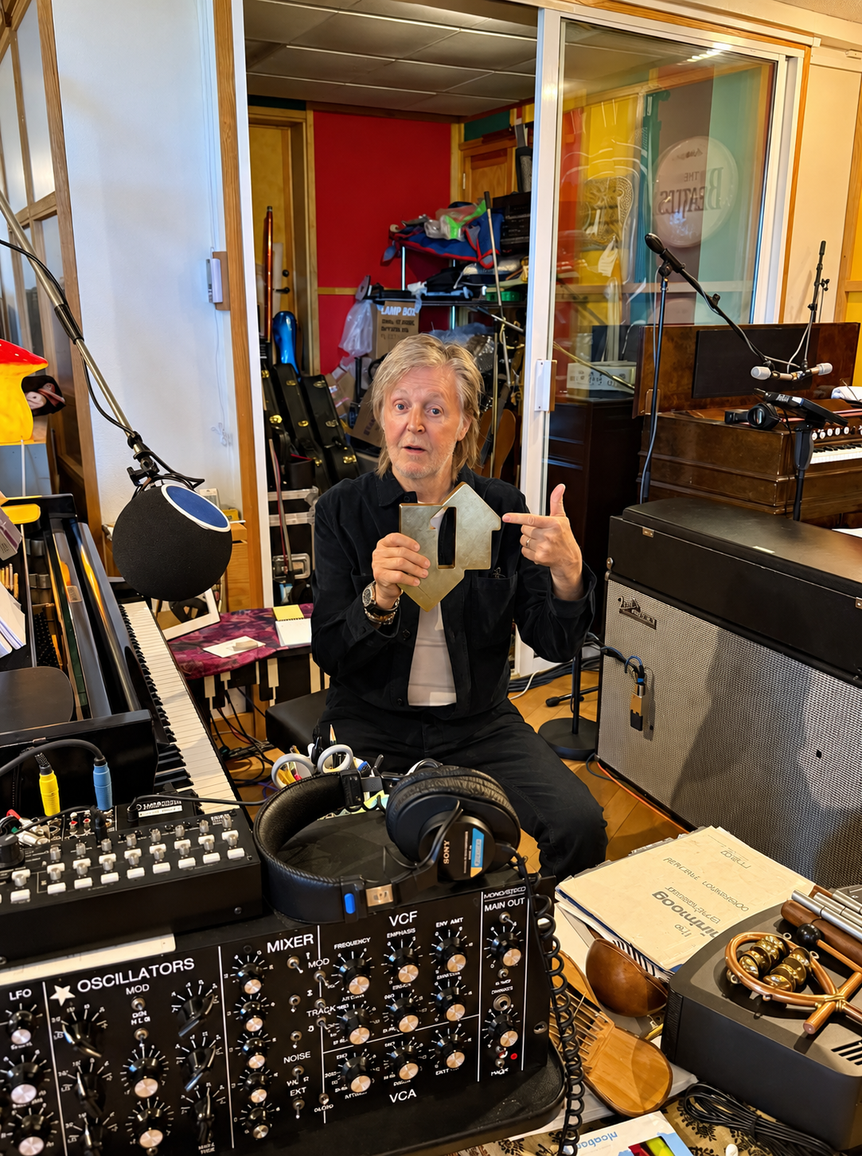
I have watched a lot of creators run into the same wall: their performance is strong, their mic is solid, their song is there, but the space ruins it. The Eyeball solves that problem at the source. It fits over the microphone and helps reduce reflections and unwanted room sound before the signal even reaches the interface, the DAW, or any processing. That might sound like a small detail, but in practice it is the difference between “we can use this” and “we have to redo this later.”
In that hotel room, the Eyeball became a studio inside four walls.
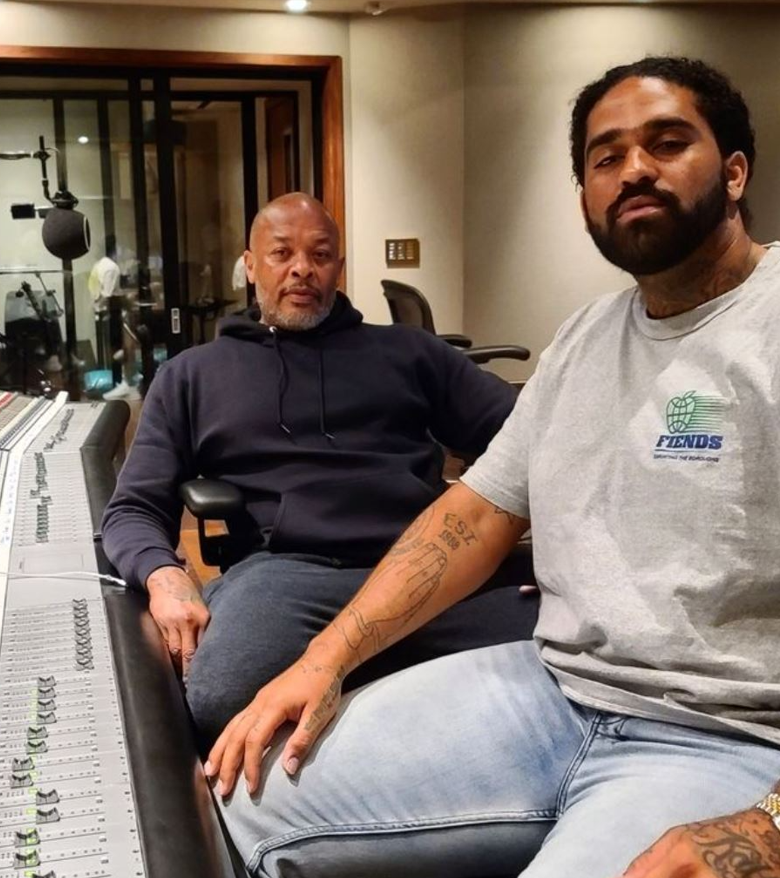
It did not change 2 Chainz’s voice. It protected it. It gave his engineer Nolan Presley a cleaner input to work with, so the chain could stay musical instead of corrective. When you are dealing with a non treated environment, the worst thing you can do is record a vocal that needs to be rescued. Heavy noise reduction and extreme EQ can fix problems, but they often steal something in return. You lose warmth. You lose presence. You lose the natural confidence in the vocal. With Kaotica controlling the capture up front, the vocal stays fuller and more consistent, which means the mix can focus on tone and impact instead of damage control.
That is the Kaotica quality aspect most people do not talk about enough. It is not just about making something sound “less echoey.” It is about preserving the integrity of the voice so it still feels like a major record when it hits the speakers.
And the proof is simple. Those hotel room takes were not just good enough for a demo. They were good enough to make it onto the album.
Pretty Girls Like Trap Music went on to become one of the defining releases of that era, and knowing that part of that work was captured in an unconventional setup is exactly why this story matters. It is not a gimmick. It is a lesson. When you protect the input, you protect the outcome.
That is also why this story has always stuck with me as the creator. Because it captures the real mission behind Kaotica. We were not trying to replace studios. We were trying to make studio grade capture possible when the studio is not available, not practical, or not the priority in that moment.
For aspiring artists, this is the part to hold onto.
Your career is not decided by whether you have access to a perfect room. It is decided by whether you keep creating, keep recording, and keep finishing songs. The right tools can remove friction. They can make your environment less of a limitation. They can help your work sound professional even when your situation is anything but.
2 Chainz did not let a broken leg and a hotel room slow the record down. He adapted. The engineer adapted. The chain stayed ready. The music kept moving.
And that is what Kaotica was built to do.