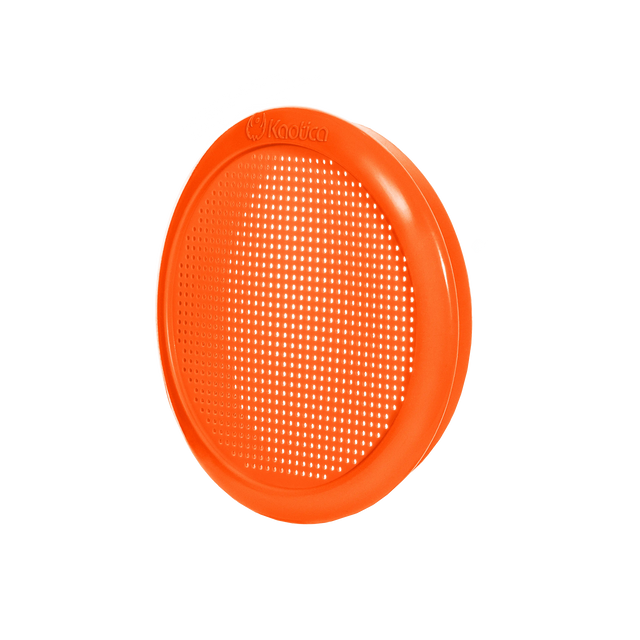
Kaotica Eyeball
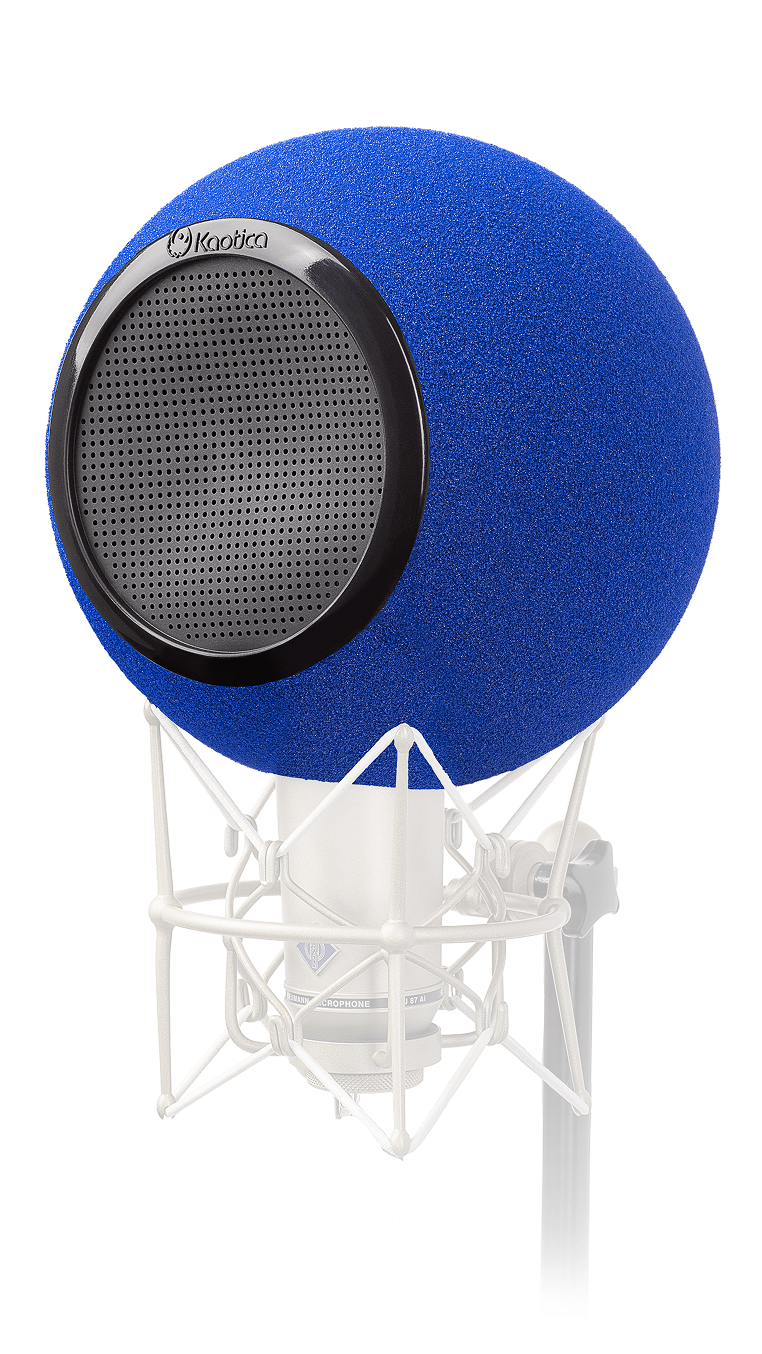
Treat the Mic. Not the Room. Fits over your mic, sets up in seconds, and turns any space into a professional-grade vocal booth.

Click on the dots to learn about the Kaotica Series.


Kaotica Eyeball
Treat the Mic. Not the Room. Fits over your mic, sets up in seconds, and turns any space into a professional-grade vocal booth.
Click on the dots to learn about the Kaotica Series.
Customize Your Kaotica


2009
While traveling for his corporate career, Kaotica founder Konrad Z saw firsthand how difficult it was to capture professional vocals outside a properly treated studio. After watching a friend struggle with the acoustics of a basement recording space, a simple question sparked an idea: What if you could treat the microphone instead of the entire room?
2011–2013
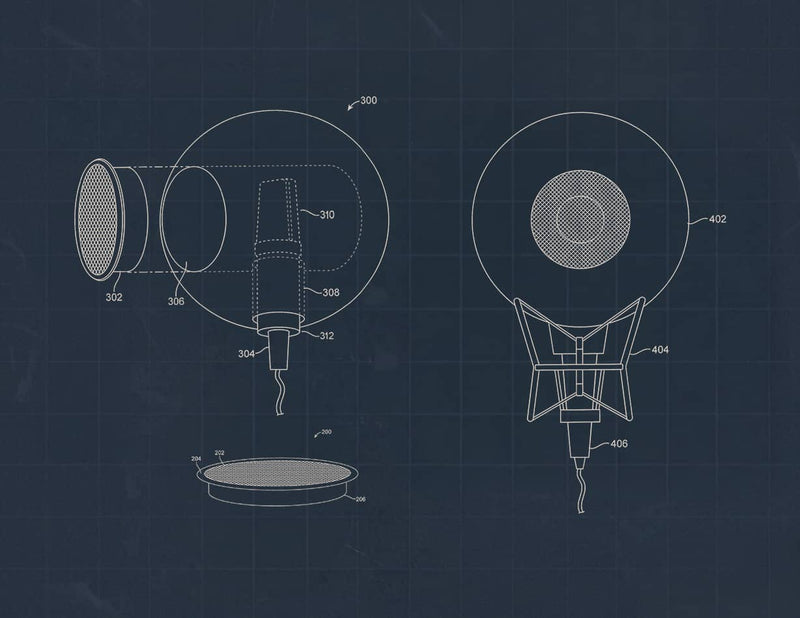
Konrad immersed himself in audio engineering and acoustics, developing and refining what would become the Kaotica Eyeball. He left his corporate career to pursue the idea full time, secured intellectual property protection, and committed to manufacturing in the United States after rejecting overseas manufacturing options that did not meet Kaotica’s standards.
2014
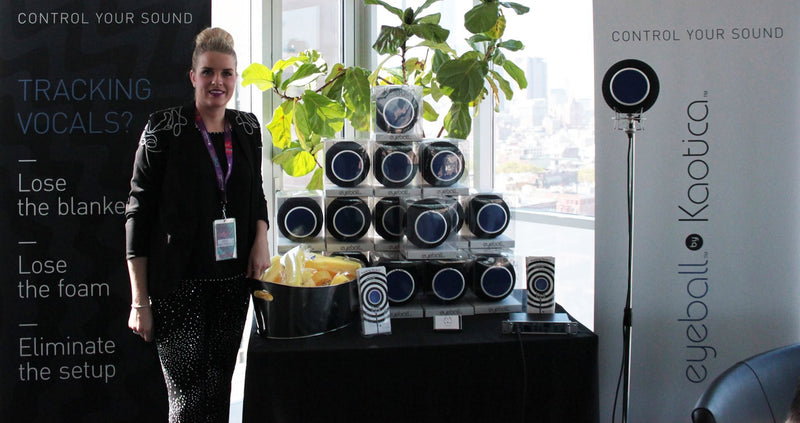
After years of research, prototypes, and preparation, Kaotica officially launched in New York at major industry events including AES and CMJ. The Eyeball introduced creators to a radically different approach to recording vocals: a portable acoustic solution designed around the microphone rather than the room.
2015–2019
Kaotica grew one artist at a time. With limited traditional marketing, Eyeballs were placed directly into the hands of musicians, producers, engineers, and creators, helping build the brand through real world use and word of mouth. As adoption grew, Kaotica expanded its product family and became increasingly recognized across music, voiceover, podcasting, and professional recording.
2020–2024
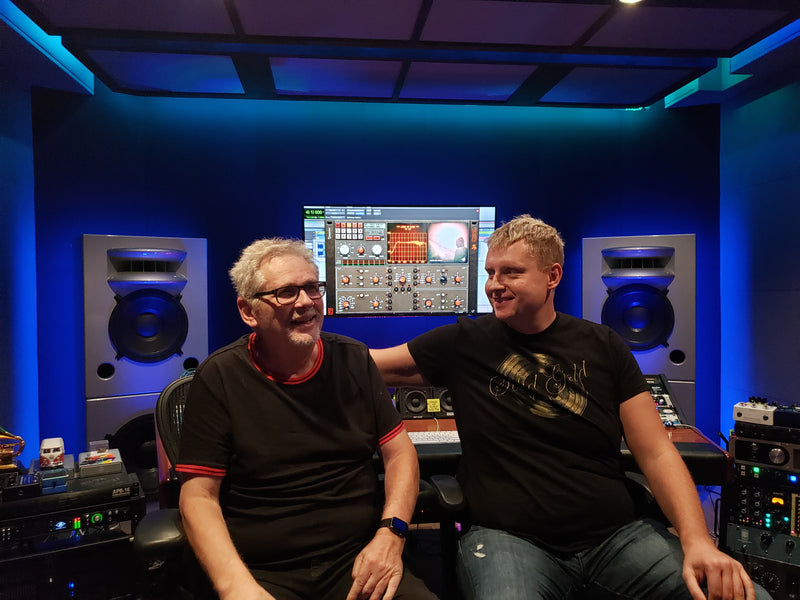
Kaotica grew from a shared into a dedicated facility while expanding the Kaotica Series for a wider range of microphones and recording applications. The company continued investing in new technology, customization, and intellectual property, culminating in a major patent litigation victory in 2024.
2025 & Beyond
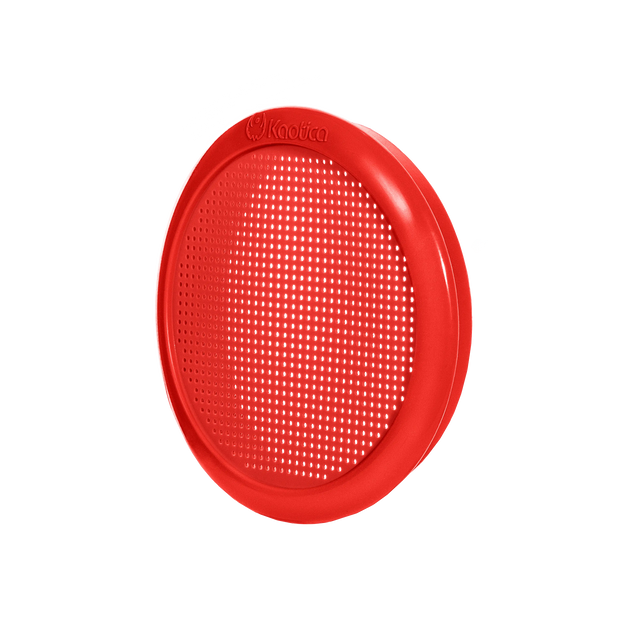
Kaotica entered its next chapter with U.S. based manufacturing and fulfillment, a new generation of the Kaotica Eyeball, and continued innovation including its silicone pop filter. What began as an idea has grown into a globally recognized recording brand with the same mission at its core: empowering creators to capture professional quality vocals wherever inspiration happens.
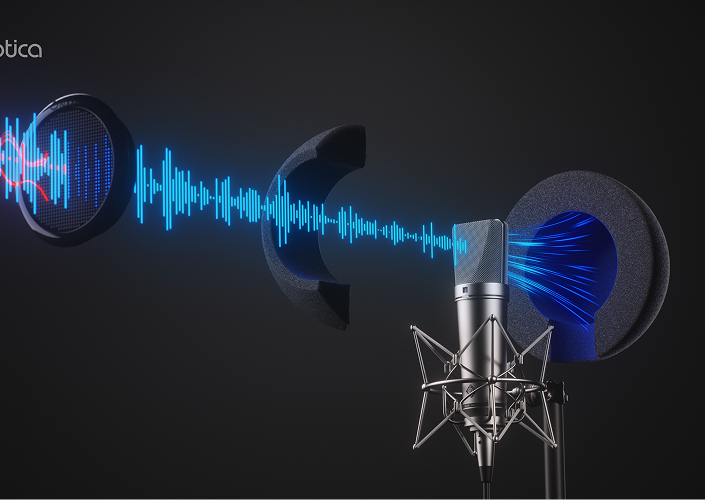
The Kaotica Eyeball is a patented portable vocal booth alternative that fits around your microphone to help reduce room reflections, echo, and unwanted room sound before they reach the mic. It helps you record cleaner, more focused vocals without treating your entire room.
The Kaotica Eyeball is a patented portable vocal booth alternative that fits around your microphone to help reduce room reflections, echo, and unwanted room sound before they reach the mic. It helps you record cleaner, more focused vocals without treating your entire room.
(Kaotica Eyeball) Side-Address Condenser Microphones
For most studio-style condensers where you speak into the side of the mic.
Use for: vocals, voiceover, podcasting, music recording.
Mic examples: AT2020, Neumann TLM series, Rode NT1,Slate ML-1,UA Sphere LX , Lewitt LCT 440 Pure
(Kaotica Fatboy) Large-Body Condenser Microphones
For oversized, wide-diameter studio microphones requiring extra internal space.
Use for: premium studio vocals, larger-diaphragm microphones.
Mic examples: Neumann U87Ai (large mounts), Warm Audio WA-47, other wide-barrel condensers.
(Kaotica 7B) Front-Address Broadcast Microphones
For microphones where you speak into the front, typically used in broadcast and podcasting.
Use for: radio, podcasting, streaming, spoken word.
Mic examples: Shure SM7B, Electro-Voice RE20/RE320, Rode PodMic.
(Kaotica Live) Shotgun & Handheld Microphones
For long shotgun mics, handheld dynamics, and on-location recording setups.
Use for: field recording, ENG, stage performance, mobile setups.
Mic examples: Sennheiser MKE600, Shure SM58, Rode VideoMic series.
(Kaotica 800C) Tube Microphones with Heat Sinks
For microphones with external heat sinks where standard acoustic shells won’t fit.
Use for: high-end studio vocals requiring max clarity and airflow protection.
Mic examples: Sony C-800G, Golden Age GA-8000.
(Kaotica Eyeball) Side-Address Condenser Microphones
For most studio-style condensers where you speak into the side of the mic.
Use for: vocals, voiceover, podcasting, music recording.
Mic examples: AT2020, Neumann TLM series, Rode NT1,Slate ML-1,UA Sphere LX , Lewitt LCT 440 Pure
(Kaotica Fatboy) Large-Body Condenser Microphones
For oversized, wide-diameter studio microphones requiring extra internal space.
Use for: premium studio vocals, larger-diaphragm microphones.
Mic examples: Warm Audio WA-47, other wide-barrel condensers.
(Kaotica 7B) Front-Address Broadcast Microphones
For microphones where you speak into the front, typically used in broadcast and podcasting.
Use for: radio, podcasting, streaming, spoken word.
Mic examples: Shure SM7B, Electro-Voice RE20/RE320, Rode PodMic.
(Kaotica Live) Shotgun & Handheld Microphones
For long shotgun mics, handheld dynamics, and on-location recording setups.
Use for: field recording, ENG, stage performance, mobile setups.
Mic examples: Sennheiser MKE600, Shure SM58, Rode VideoMic series.
(Kaotica 800C) Tube Microphones with Heat Sinks
For microphones with external heat sinks where standard acoustic shells won’t fit.
Use for: high-end studio vocals requiring max clarity and airflow protection.
Mic examples: Sony C-800G, Golden Age GA-8000.
Your vocal should sound clean, dry, focused, and direct. You should hear less room echo, less reflection, and less of the natural warmth or space of the room. That room warmth is usually caused by reflections bouncing back into the microphone.
Your vocal should sound clean, dry, focused, and direct. You should hear less room echo, less reflection, and less of the natural warmth or space of the room. That room warmth is usually caused by reflections bouncing back into the microphone.
When set up correctly, the Kaotica Eyeball should not make your vocal sound muffled. It reduces room reflections that bounce off walls, desks, ceilings, and floors, so your vocal sounds cleaner, drier, and more focused. If the vocal sounds dark or congested, the mic may be pushed too deep, facing the wrong direction, too close to the singer, or the input gain may be too high. Kaotica is designed to preserve vocal clarity up to 24 kHz, while reducing unwanted room sound before it reaches the microphone.
When set up correctly, the Kaotica Eyeball should not make your vocal sound muffled. It reduces room reflections that bounce off walls, desks, ceilings, and floors, so your vocal sounds cleaner, drier, and more focused. If the vocal sounds dark or congested, the mic may be pushed too deep, facing the wrong direction, too close to the singer, or the input gain may be too high. Kaotica is designed to preserve vocal clarity up to 24 kHz, while reducing unwanted room sound before it reaches the microphone.
Kaotica helps improve the source recording before the audio reaches your mix, editing software, or AI tools. Cleaner input means less corrective EQ, less de reverb, less noise reduction, and fewer repair tools later, making the vocal easier to mix, enhance, and place in the final production.
Kaotica helps improve the source recording before the audio reaches your mix, editing software, or AI tools. Cleaner input means less corrective EQ, less de reverb, less noise reduction, and fewer repair tools later, making the vocal easier to mix, enhance, and place in the final production.




SOVAS
Award Winning
Society of Voice Arts and Sciences Awards:
Outstanding Technical Achievement Advancement in Vocal Recording