







Paul McCartney’s Recording Journey — and Where the Kaotica Eyeball Fits In
Paul McCartney has never been the kind of artist who waits for “perfect conditions” before he creates. From the earliest Beatles sessions to decades of solo work, one thing has always stayed consistent: if an idea shows up, he captures it. That mindset is part of why his catalog feels so alive—because so much of it begins as a real moment, recorded before it disappears.
As recording technology evolved, Paul evolved with it. He’s worked in world-class studios with legendary engineers, but he’s also embraced a more modern reality of music-making: creativity can strike anywhere, and the best workflow is the one that lets you hit record immediately—without sacrificing quality.
That’s where the Kaotica Eyeball became part of his process.
A Small Change in the Signal Chain That Makes a Big Difference
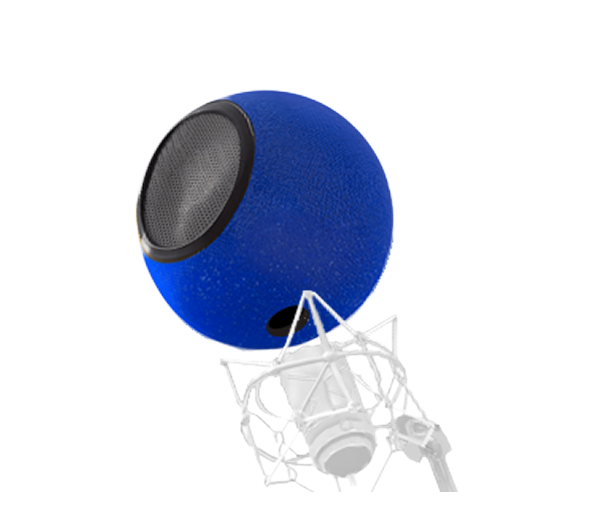
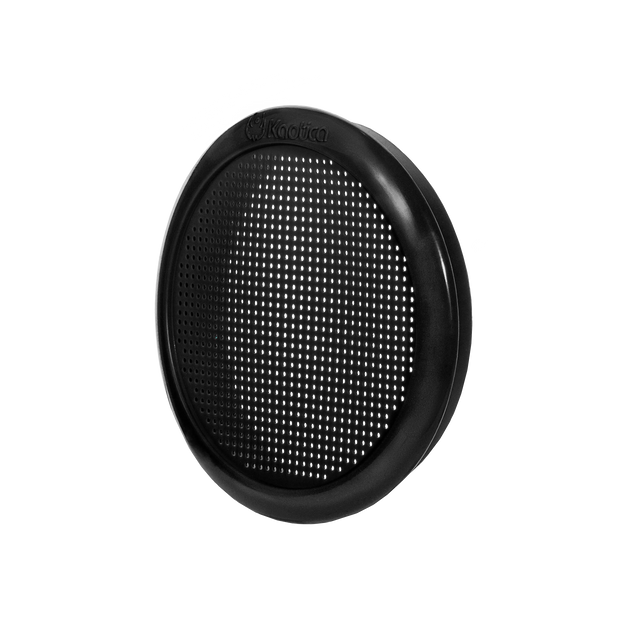
Most people think “better recording” means treating the room—panels, booths, permanent builds. But the Eyeball comes from a different philosophy: treat the microphone instead of treating the space.
In practical terms, integrating the Eyeball into a session is simple. It sits right at the start of the chain—over the microphone—helping control reflections and unwanted room sound before the signal ever reaches the preamp or interface. Nothing about Paul’s core workflow has to change. The mic still feeds the same trusted gear downstream. The difference is the raw vocal going into that chain is cleaner and more consistent from the start.
So rather than fighting the room later with heavy EQ or aggressive noise reduction, the recording begins with a more focused, usable vocal. And for an artist like McCartney—where nuance, tone, and feel matter—that matters.
Recording Wherever the Moment Happens
For Paul, the value wasn’t just “better audio.” It was freedom.
When you have a portable isolation tool that helps keep recordings clean, you’re no longer limited to a single treated room to get a “record-ready” take. Whether he’s working in a familiar studio environment or capturing ideas in a different setting, the Eyeball helps reduce the variables that normally change the sound from one room to the next.
That consistency is a big deal in a modern workflow. It means ideas recorded outside the main studio aren’t automatically “demo-only.” They can become real contenders for the final record, because the vocal quality holds up.
Why It Showed Up in McCartney III
At some point, tools stop being “gear” and start becoming part of the process—something you reach for automatically because you trust what it gives you. That’s the kind of relationship artists develop with equipment that truly supports their creativity.
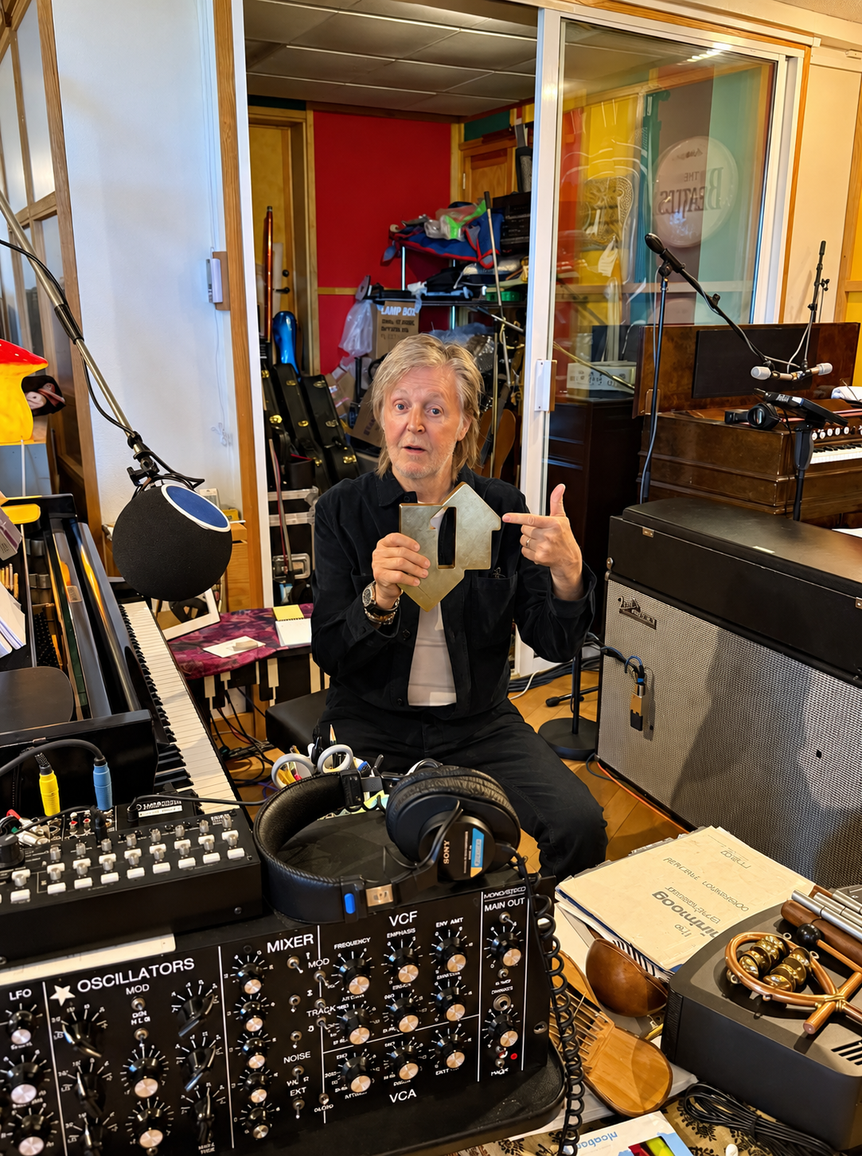
The Eyeball being featured in the McCartney III vinyl cover wasn’t just a cool moment for Kaotica—it was a signal that this tool had earned a real place in the workflow behind the music. It represented a modern approach to recording: protect the performance, capture the moment, and keep the signal clean from the very beginning.
What This Means for Everyone Else
The best takeaway from Paul’s use of the Eyeball isn’t “a celebrity uses it.” It’s the idea behind it:
If one of the most respected musicians in history values tools that remove friction and protect creative flow, then that same advantage matters for everyone—especially creators who don’t have access to perfect rooms or million-dollar studios.
A clean signal at the start of your chain changes everything downstream. Less fixing. Less guessing. More focus on the music.