

Snoop Dogg
Snoop has always reminded me of the best era of mobile recording, not because he is chasing nostalgia, but because his entire career has been built on one idea: the music does not wait for the room.
Back in the early 1970s, the Rolling Stones Mobile Studio changed what people thought was possible. A recording studio inside a truck. Park it outside a house, a hall, a casino, a barn, wherever the energy was right, and suddenly the “studio” followed the artists instead of the other way around. Different bands used it differently, too. That was the magic. The mobile rig was not the sound. The artist was. The rig simply protected their sound long enough to capture it.
That is the best way to understand what Snoop is doing in the modern era.
Snoop’s signature is the point, not the room
Snoop’s voice and timing are instantly recognizable. That relaxed pocket, often described as riding slightly behind the beat, is not an accident. It is his identity. And once you have an identity like that, the goal in recording is not to “change” it. The goal is to capture it cleanly, consistently, and fast, so the performance stays natural.
The problem is that Snoop does not live in one place creatively. His schedule moves. Sessions happen wherever they happen. And in those real world environments, the room tries to become part of the vocal. Hotel reflections. Backstage noise. Tour bus vibration. Random spaces that were never designed for recording. Those details might sound small, but they can warp a vocal in ways that are hard to undo without sanding off what makes the artist special.
The modern mobile studio is smaller now
The Rolling Stones had a truck. Snoop has something closer to a principle: keep the chain ready and keep the capture controlled.
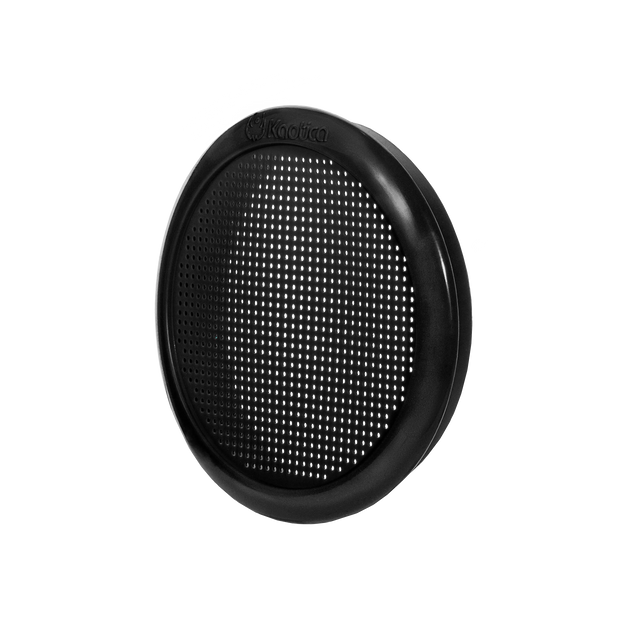
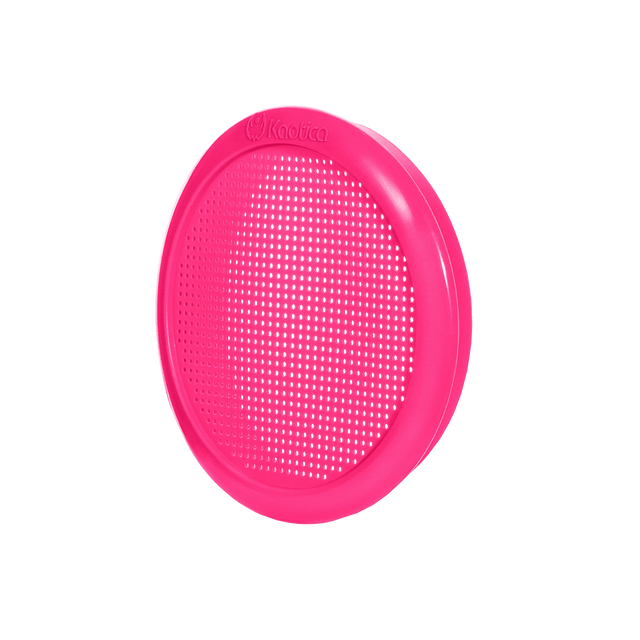
That is where Kaotica fits in, in the same spirit as the old mobile studio concept, but scaled to the way artists record now. The Kaotica Eyeball lives at the first link in the chain, over the microphone, where it can reduce reflections and help isolate the mic from the space around it. You are not trying to treat an entire room you do not control. You are protecting the input.
That matters because the rest of the workflow can stay familiar. Mic into interface or preamp, into the DAW, then whatever processing comes next. Kaotica does not replace the chain. It helps the chain receive a cleaner vocal.
Why that supports Snoop’s way of working
Snoop has always been technology aware, but not technology obsessed. He uses tools that keep him moving, tools that let him lay it down without friction. You see that attitude in how he approaches modern recording products too, where the emphasis is performance first, workflow second, and gear last.
The Eyeball fits that mindset because it is quick. It is portable. It is consistent. It lets an artist keep their vocal world predictable even when the physical world changes. And that is the real superpower of mobile recording: the ability to preserve what is unique about the artist across continents, rooms, and timelines.
The Rolling Stones Mobile Studio lesson, updated
The mobile studio era proved something that is still true today. The environment should not decide whether you can make a record. The artist should.
Snoop’s creativity does not live inside one studio address. It lives wherever he is. Kaotica’s role in that journey is simple and practical: help keep the room out, keep the vocal focused, and protect the signature tone that only Snoop has.
Because at the end of the day, that is what makes an artist special. The gear is just there to make sure it gets captured.