

T-Pain
T Pain has always understood something that a lot of people miss about vocal effects. Auto Tune is not magic. It is a microscope. The better the input, the better the result. The worse the input, the more the effect has to guess, and the more your voice starts to sound thin, swirly, or artificial in the wrong way.
That is why audio quality at the source matters so much in a T Pain style workflow.
The “T Pain Effect” is famous, but what makes it work is not just the plugin. It is the clarity of the vocal that feeds it. Auto Tune responds to pitch and harmonics. If your recording is full of room reflections, background noise, or boxy resonance, you are not giving the software a clean pitch center to lock onto. You are giving it a messy signal with extra information attached. That is when you get artifacts, warbling, and that brittle edge that people associate with bad Auto Tune, not great Auto Tune.
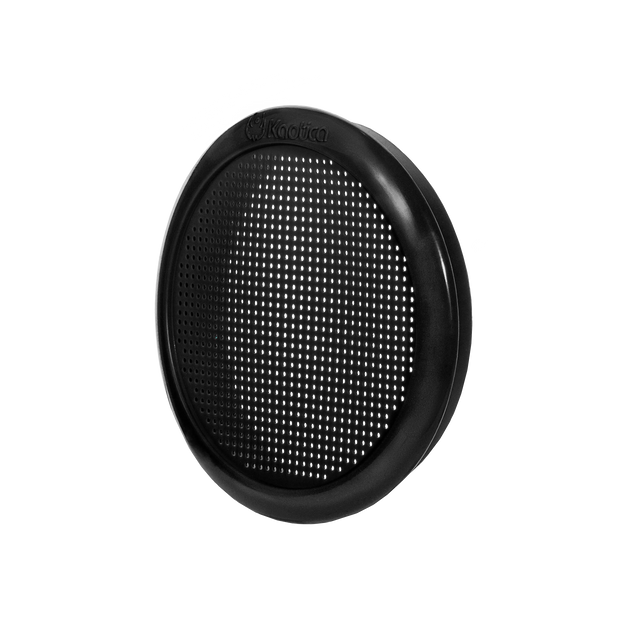
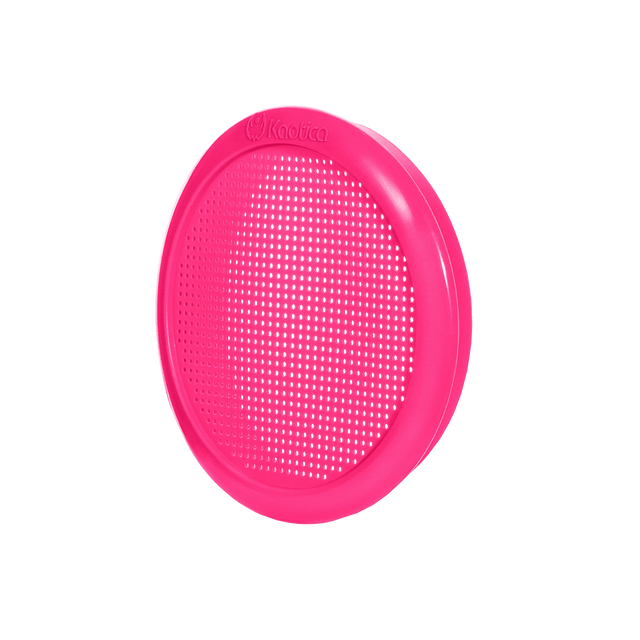
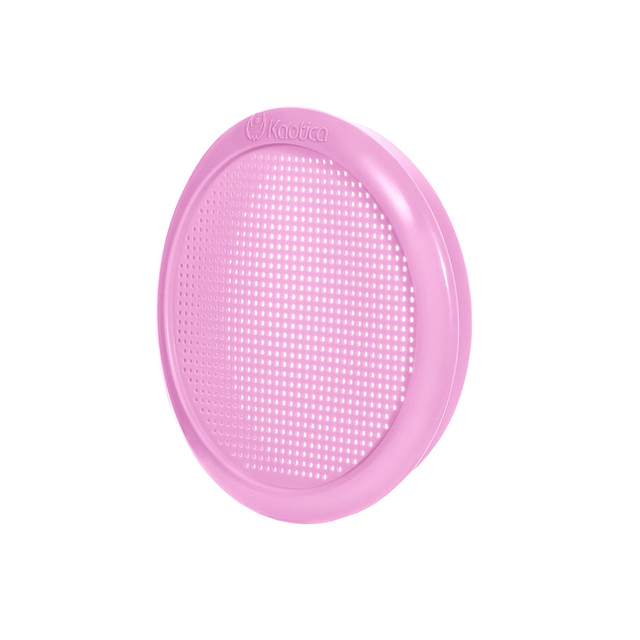
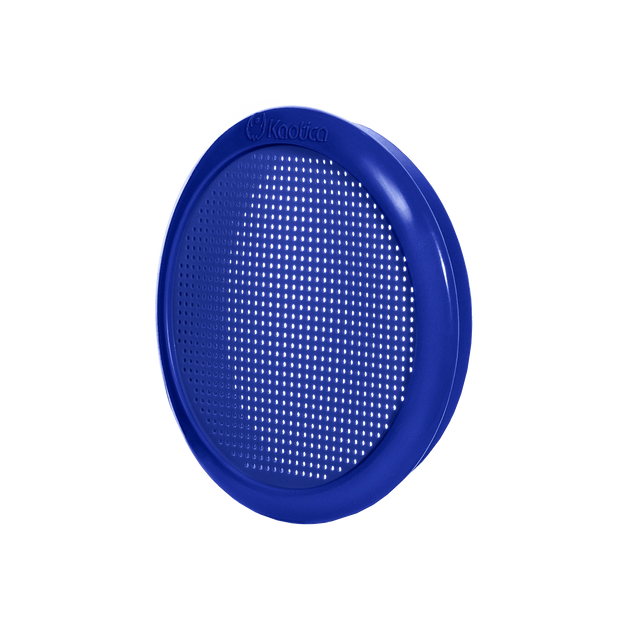
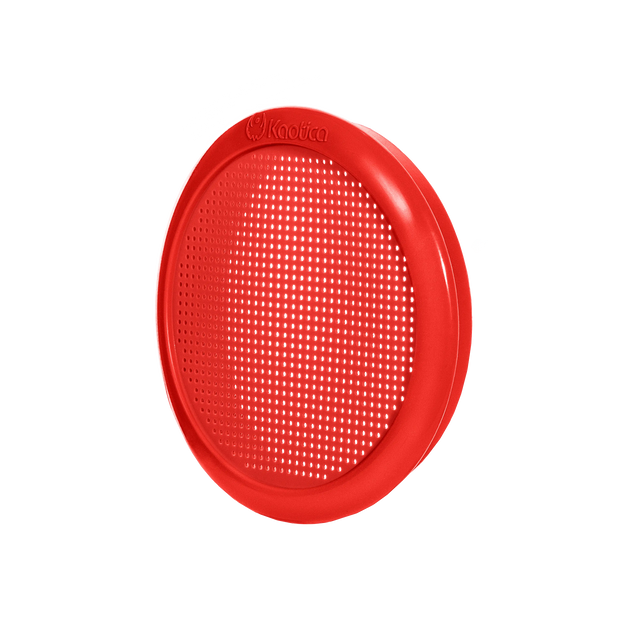
This is where the Kaotica Eyeball earns its place in the chain.
The Eyeball is built to improve what the microphone hears before the vocal ever reaches the interface or the DAW. It fits over the mic and reduces reflections and unwanted room sound so the recording comes in more focused and controlled. That is the kind of input Auto Tune loves. A clean, dry vocal with clear harmonics and fewer distractions means the pitch correction can work more accurately and more transparently. Instead of fighting the room, the effect can focus on the voice.
In a practical sense, this improves three things that matter for T Pain style vocals.
First, it preserves intelligibility. When reflections smear consonants, the vocal can lose definition. A more controlled capture keeps the words crisp, which matters even more once you start stacking hooks, doubles, and harmonies.
Second, it protects tone. Cheap or uncontrolled isolation can over absorb and dull the vocal. The Kaotica Eyeball is designed to reduce room artifacts without stripping away the life of the voice, so the vocal still has body and presence. That matters because Auto Tune does not just correct pitch. It highlights whatever tone you feed it. If the tone is flat, the effect sounds flat. If the tone is rich, the effect sounds rich.
Third, it keeps results consistent across environments. T Pain can record in a studio one day and on the road the next. The plugin settings might be the same, but the sound will not be the same if the room changes dramatically. By reducing the room’s influence at the microphone, the Eyeball helps keep the input more consistent, so the effect behaves more consistently too. That means less time chasing settings and more time creating.
This is the real synergy between the Eyeball and the T Pain Effect. The Eyeball is not the sound. It is the foundation that lets the sound be shaped on purpose.
If you want the cleanest way to think about it, it is this.
Auto Tune does not create a great vocal. It reveals what you recorded.
The Kaotica Eyeball helps make sure what you recorded is clean, focused, and ready for processing. So when an artist like T Pain pushes vocal effects, it is not damage control. It is artistry.