

How Does Kaotica Compare to Reflection Filters?
Meta Title: How Does Kaotica Compare to Reflection Filters? | Kaotica
Meta Description: Compare Kaotica to reflection filters for vocal recording. Learn the difference between partial room control and microphone-focused isolation for cleaner, more focused vocals.
URL Slug: how-does-kaotica-compare-to-reflection-filters
How Does Kaotica Compare to Reflection Filters?
Kaotica and reflection filters are both designed to help improve recordings, but they approach the problem very differently.
A reflection filter usually sits behind the microphone and helps reduce some of the sound reflecting back into the rear of the mic.
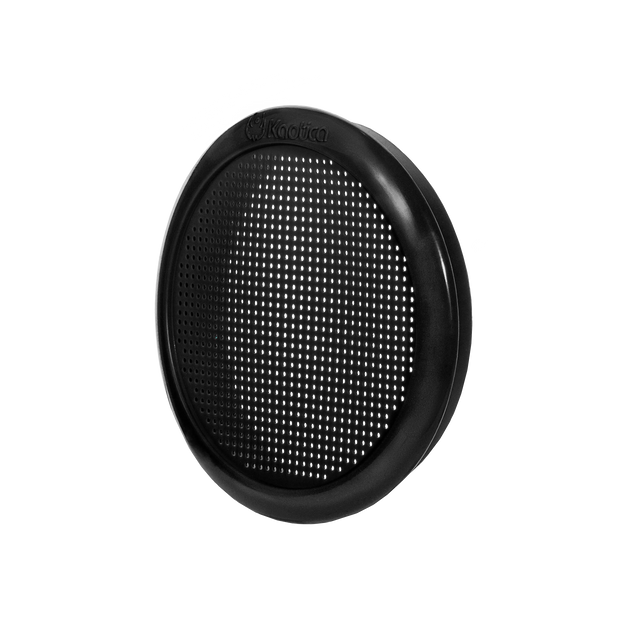
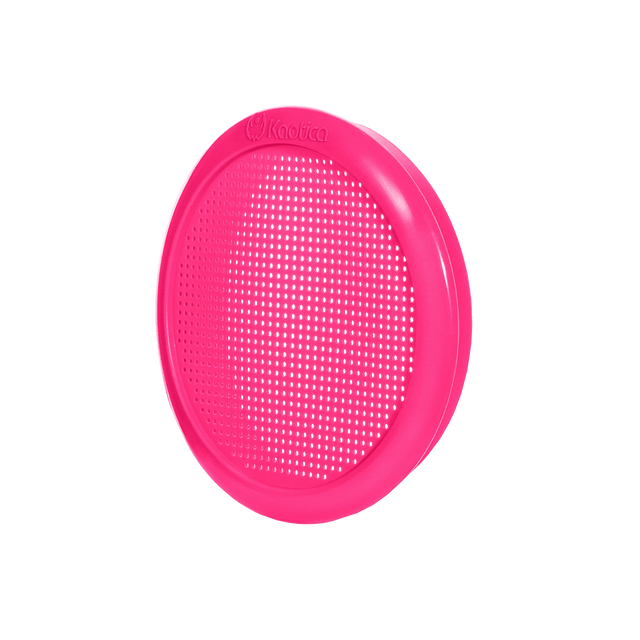
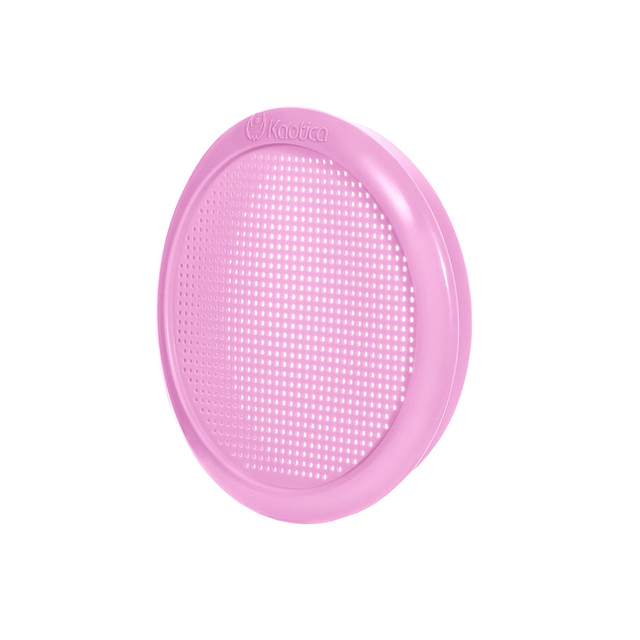
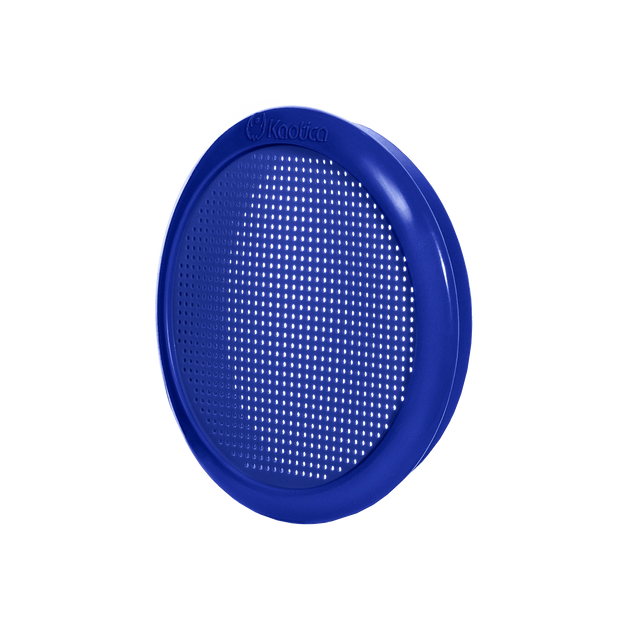
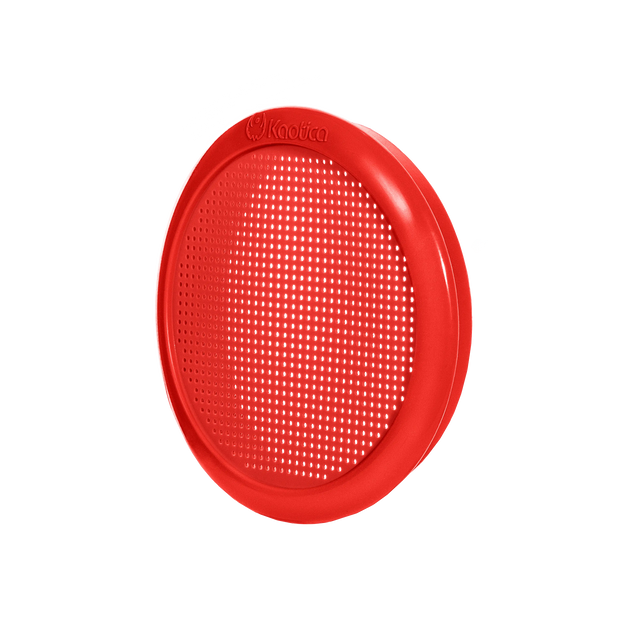
Kaotica is designed to create a more controlled acoustic environment directly around the microphone itself.
That difference matters because cleaner vocals are not just about blocking some sound behind the mic. They are about helping the microphone capture more of the direct voice and less of the surrounding room.
What reflection filters do
Reflection filters are typically mounted behind a microphone to reduce some of the reflections coming from the room.
They can help in certain setups, especially when you have a fixed recording station and enough space for a larger hardware setup. But they are still working on only part of the problem.
A reflection filter mainly addresses sound coming from behind or around the back side of the microphone. It does not create the same kind of microphone-level encapsulation or controlled front-to-mic acoustic path that we focus on.
That means the result can still depend heavily on:
-
the room itself
-
microphone placement
-
filter placement
-
how reflective the rest of the space is
-
how consistent the setup stays from session to session
How our approach is different
We built Kaotica around a much more direct idea:
Treat the mic. Not the room.
Instead of placing a panel behind the microphone and hoping the room behaves better, we focus on controlling the recording zone at the microphone.
Our approach is designed to help the mic receive more of the wanted vocal signal and less of the unwanted room influence around it. That is why Kaotica works so well in bedrooms, apartments, offices, hotel rooms, and other untreated spaces where full room treatment is not realistic.
The science behind the difference
When you record vocals, the microphone captures both direct sound and reflected sound.
The direct sound is your voice traveling straight to the capsule.
The reflected sound is your voice bouncing off walls, ceilings, desks, windows, and other surfaces before returning to the mic. Those reflections can reduce clarity, smear articulation, and make the vocal sound more boxy, hollow, or less focused.
A reflection filter tries to reduce part of that problem by managing some rear reflections.
Our design works closer to the source.
Kaotica is built to create a more controlled acoustic environment around the microphone so the direct vocal has a stronger path to the capsule while unwanted room influence is reduced before it becomes part of the take.
That is a more focused strategy.
Instead of improving one part of the room around the mic, we improve the space that matters most: the area immediately around the microphone itself.
Why coverage matters
One of the biggest differences between Kaotica and many reflection filters is coverage.
A reflection filter is usually an external barrier or panel positioned behind the microphone. It can help, but it is still a partial solution.
Kaotica is designed as a microphone-centered solution. By working directly around the mic, we can help reduce off-axis room influence in a more targeted way while supporting a cleaner, more focused vocal capture.
That is why our approach often feels more direct, more efficient, and more practical for creators working in everyday spaces.
Why portability matters
Reflection filters can be useful, but they are often bulkier and less portable.
They usually require a stand-mounted setup, more space, and more careful positioning. That can make them harder to use in temporary spaces or for creators who move between rooms or travel frequently.
Kaotica is built for portability.
That means:
-
faster setup
-
less hardware
-
easier repeatability
-
more practical use in changing spaces
-
more consistency from room to room
If your workflow depends on flexibility, portability becomes a major advantage.
Why consistency matters
A big challenge in home recording is consistency.
If one setup sounds good only in one exact position in one exact room, it becomes harder to repeat results.
Reflection filters can still leave the recording heavily dependent on the room.
Our approach is designed to make the microphone itself a more controlled recording zone, which helps create more repeatable results in spaces that are far from perfect.
For singers, podcasters, voice actors, and creators, that consistency matters just as much as raw noise reduction.
Why source audio is the real goal
We do not believe the best solution is the one that simply blocks the most sound.
We believe the best solution is the one that creates a better source recording.
That means:
-
more focused vocals
-
less room interference
-
less corrective EQ
-
less cleanup
-
less re-recording
-
easier editing
-
more natural enhancement later
Cleaner source audio is what makes the whole workflow better.
Are reflection filters useless?
No.
Reflection filters can help in the right setup, especially if you have a fixed recording space and want another layer of control behind the microphone.
But they are not the same as a microphone isolation solution designed to work directly at the mic.
So this is not about saying reflection filters do nothing.
It is about understanding that they solve the problem differently, and in many real-world recording environments, our approach is simply more direct.
Final answer
Kaotica and reflection filters are not the same kind of tool.
Reflection filters sit behind the microphone and help reduce some room reflections from that direction.
Kaotica is designed to improve the acoustic environment at the microphone itself.
That makes Kaotica a more microphone-focused, more portable, and often more practical solution for creators recording vocals in untreated spaces.
If your goal is cleaner, more focused vocals without relying on a large fixed setup or treating the whole room, Kaotica is the more direct solution.