




Why does the Kaotica Eyeball work so well ?
Why Does the Kaotica Eyeball Work So Well?
The Kaotica Eyeball works because it controls sound at the point where the recording actually happens: the microphone.
In an untreated bedroom, apartment, office, hotel room, or home studio, a microphone captures more than the direct performance. It also captures sound reflecting from walls, ceilings, floors, desks, windows, furniture, and other nearby surfaces.
Those reflections combine with the direct voice and can make a recording sound distant, hollow, boxy, muddy, or inconsistent.
Kaotica was designed to reduce that unwanted room influence before it becomes part of the recording.
Treat the Mic. Not the Room.
Instead of requiring an entire room to be acoustically treated, the Kaotica Eyeball creates a more controlled acoustic environment immediately around the microphone.
That simple idea is the foundation of how it works.
More Direct Voice. Less Room.
When you speak or sing, the microphone receives both direct sound from your voice and reflected sound returning from the room.
The greater the amount of reflected sound captured, the more the acoustic character of the room becomes part of the recording.
Kaotica helps improve the relationship between direct and reflected sound at the microphone.
This is known as the direct to reverberant ratio.
By reducing some of the unwanted reflected energy reaching the microphone, the Eyeball helps the capsule capture a greater proportion of the direct performance.
The result is a cleaner, closer, and more focused source recording.
It Is a Complete Acoustic System
The performance of the Kaotica Eyeball does not come from simply surrounding a microphone with foam.
Several elements work together:
Custom formulated acoustic foam
Controlled internal geometry
A dedicated sound channel
Correct microphone positioning
An integrated silicone pop filter
An external acoustic reflective coating
Each component plays a role in controlling the acoustic environment immediately around the microphone.
That is why copying the outside appearance of the Eyeball does not necessarily reproduce how it performs.
The Internal Cavity Is Critical
Inside the Eyeball is one main acoustic cavity with two functional areas: the microphone insertion area and the sound channel area.
The microphone sits within this controlled acoustic space while the performer sings or speaks through the front opening.
The internal geometry is important because the shape and dimensions surrounding a microphone affect how sound behaves before it reaches the capsule.
Kaotica's cavity is designed to reduce unwanted reflected energy around the microphone while maintaining a clear path for the direct performance.
It is not simply empty space inside a foam sphere.
It is part of the acoustic design.
The Sound Channel Creates a Clear Vocal Path
The performer sings or speaks into the front opening of the Eyeball.
The voice passes through the integrated silicone pop filter and travels along the controlled sound channel toward the microphone capsule.
At the same time, the acoustic material surrounding the microphone helps reduce unwanted room reflections approaching from other directions.
This creates an important balance.
Kaotica is not trying to absorb everything.
It is designed to reduce unwanted room influence while maintaining a clear path for the wanted sound.
That helps preserve the natural presence and character of the performance.
The Acoustic Foam Is Specifically Formulated
Foam is not a single acoustic material.
Different foams can have dramatically different density, firmness, airflow, cell structure, compression characteristics, and sound absorption behavior.
Kaotica uses custom formulated open cell acoustic foam developed around controlled physical and acoustic properties.
These include characteristics such as:
Density
Airflow
Firmness
Sag factor
Compression behavior
Tensile strength
Elongation
Cell structure
These variables influence how sound energy moves through and interacts with the material.
The objective is to reduce unwanted reflected energy without unnecessarily removing the articulation, harmonics, clarity, and detail that make a voice sound natural.
That balance is one of the most important reasons the Eyeball sounds different from a generic piece of foam surrounding a microphone.
Why Vocal Tone Preservation Matters
Making a vocal drier is easy.
Making it drier without making it dull, hollow, or muffled is much more difficult.
An enclosure with the wrong foam, internal dimensions, opening size, or microphone position can reduce room reflections while creating a new acoustic problem.
The vocal can become dark, closed in, boxy, or hollow.
This is often referred to as the cup effect.
Kaotica is designed to reduce unwanted room influence while preserving the natural tone, articulation, harmonics, and clarity of the voice, including useful detail through approximately 24 kHz.
The goal is not simply less sound.
It is:
Less room. More voice.
Opening Size and Geometry Matter
The front opening is another important part of the acoustic system.
If an opening is too large, too small, or poorly positioned relative to the microphone capsule, it can change how the direct sound enters the enclosure.
Internal geometry matters for the same reason.
The relationship between:
The performer
The front opening
The sound channel
The microphone capsule
The internal cavity
The surrounding acoustic material
all influence the final result.
Small design differences can create meaningful acoustic differences.
This is one reason products that look similar from the outside can sound very different when recorded.
Microphone Position Matters
Different microphones have different body dimensions and capsule locations.
That means the microphone needs to sit correctly inside the acoustic environment.
If the capsule is positioned too deep or too shallow, the relationship between the microphone and sound channel changes.
Kaotica therefore uses different configurations for different microphone formats rather than relying on a single universal fit.
Correct model selection helps maintain the intended relationship between the capsule, opening, cavity, and acoustic material.
The current Kaotica product customizer at www.kaoticaeyeball.com helps determine the appropriate configuration for a specific microphone.
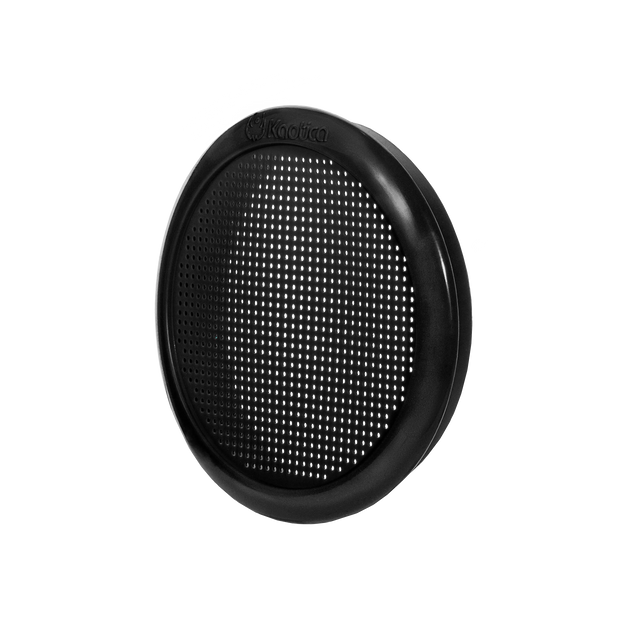
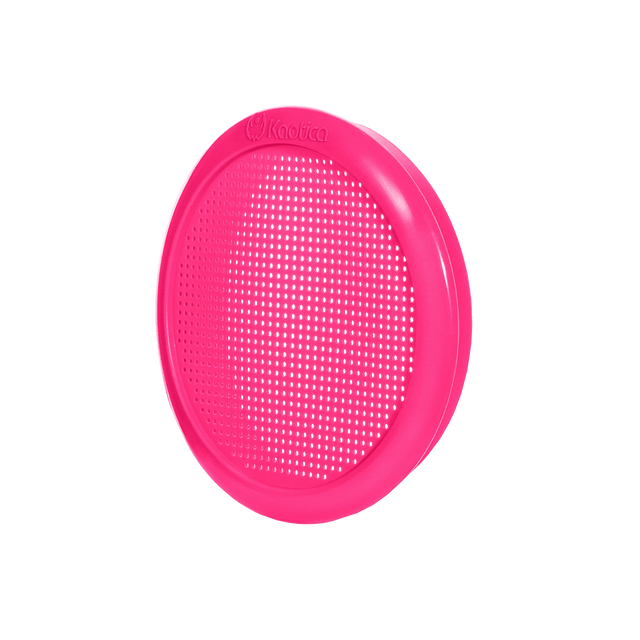
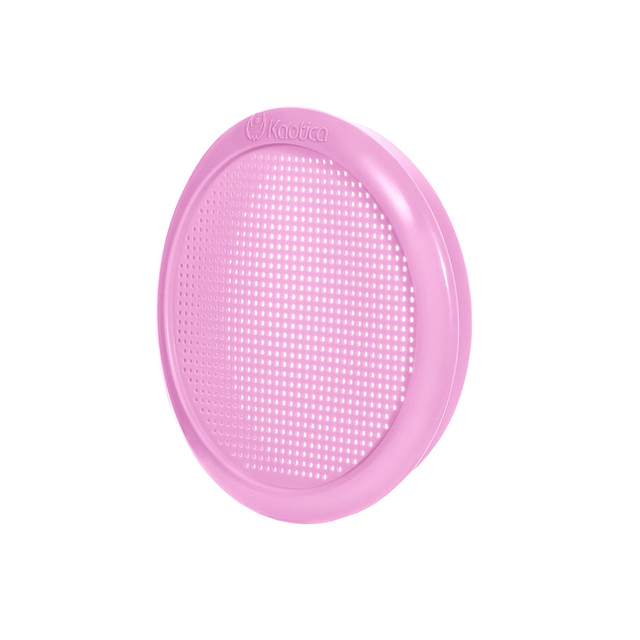
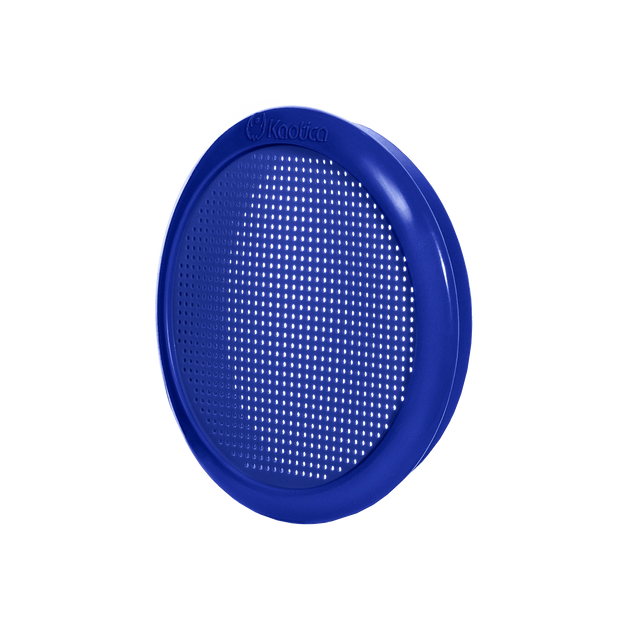
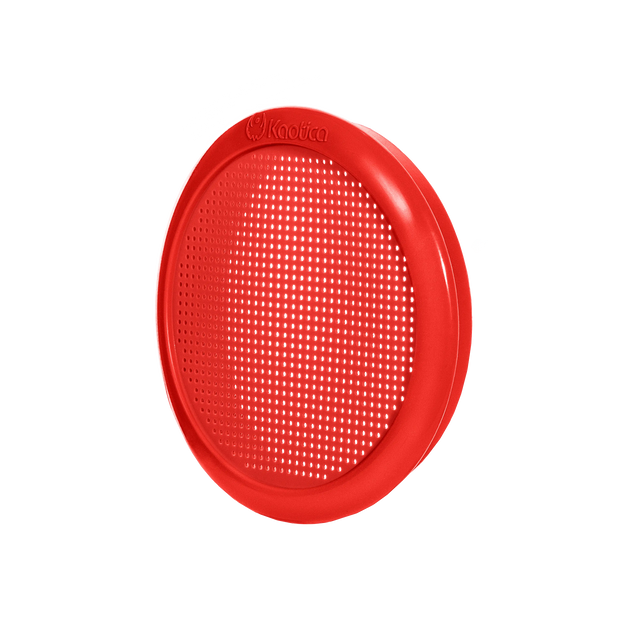
The Silicone Pop Filter Is Part of the Design
Kaotica's integrated silicone pop filter is not simply an accessory added to the front.
It forms part of the complete system.
When a performer produces strong consonants such as P and B, concentrated bursts of air can strike the microphone capsule and create low frequency plosive energy.
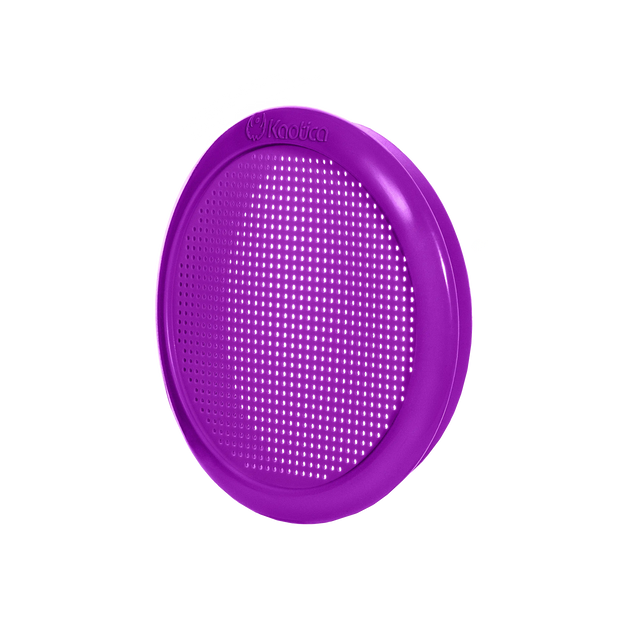
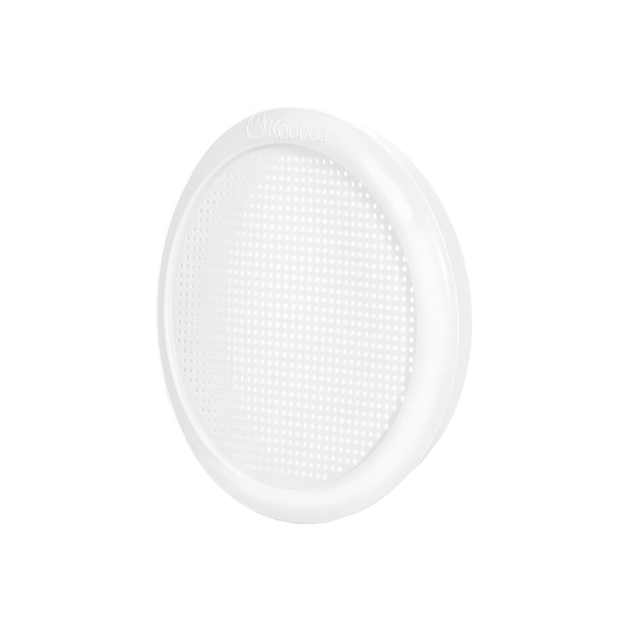
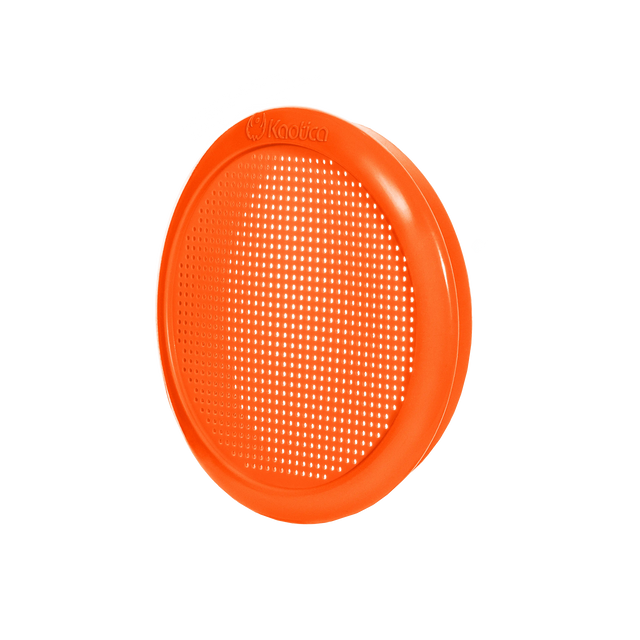
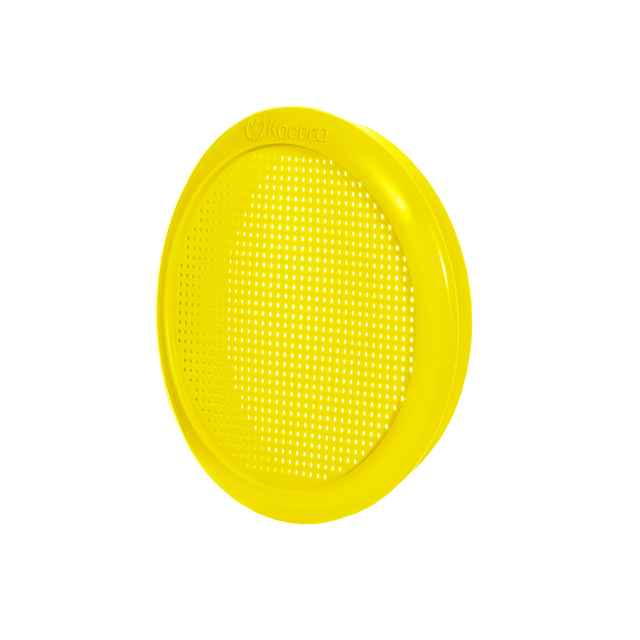
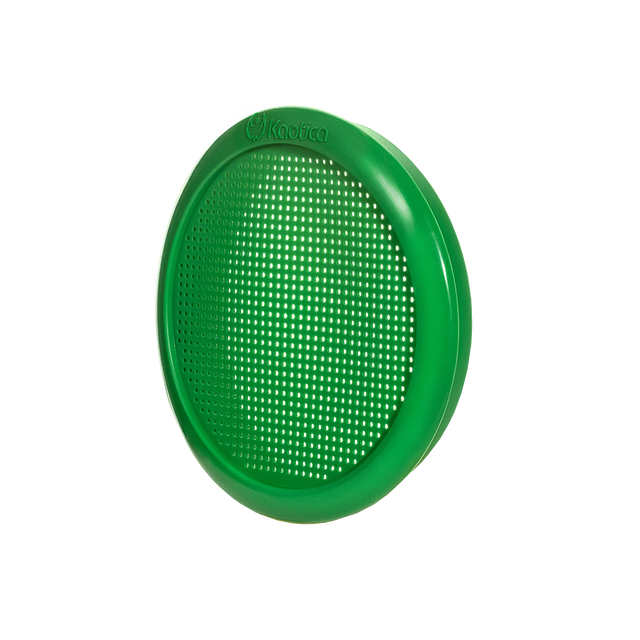
The precision perforation pattern in the silicone filter helps diffuse those bursts of air before they reach the microphone.
At the same time, it is designed to preserve the natural clarity and character of the voice.
The filter is also removable, reusable, moisture resistant, and dishwasher safe.
There is no separate fabric filter or mounting arm required.
The External Coating Plays a Role
The outside of the Eyeball is finished with a proprietary acoustic reflective coating.
This coating works together with the internal foam and geometry as another part of the acoustic system.
It should not be confused with soundproofing.
Kaotica does not completely block external sound.
Instead, the coating contributes to how acoustic energy interacts with the exterior of the Eyeball while the internal material helps control what happens around the microphone.
It is one component of the overall design rather than a standalone barrier.
Manufacturing Consistency Matters
Acoustic performance depends on maintaining the geometry and material characteristics the product was designed around.
That makes manufacturing important.
The Eyeball begins with acoustic foam custom formulated to controlled specifications.
The foam is produced in large buns and cut into measured sections. It is formed into its initial shape, the internal acoustic cavity is precision routed, and the exterior is shaped into the familiar Eyeball form.
The microphone opening is then created and aligned with the internal cavity.
Finally, the external acoustic reflective coating is sprayed evenly in a controlled paint booth before final assembly and inspection.
Maintaining that process helps preserve the relationship between material, cavity, opening, and microphone position from one Eyeball to the next.
Why Cheap Imitations Can Sound Different
A generic microphone isolation ball can resemble the Kaotica Eyeball without reproducing its acoustic design.
Performance depends on more than shape.
It depends on:
Foam formulation
Foam density and airflow
Internal geometry
Front opening dimensions
Microphone fit
Capsule positioning
Pop filter construction
The relationship between all of those elements
A low cost enclosure may reduce some room sound while also removing useful vocal detail or creating unwanted coloration.
That can produce the dark, hollow, boxy, or muffled sound associated with the cup effect.
Kaotica is designed around a different goal: reduce unwanted reflections without sacrificing the natural character of the voice.
It Works Where Creators Actually Record
Not everyone has access to a professionally designed recording room.
Modern creators work in:
Bedrooms
Apartments
Home studios
Offices
Hotel rooms
Temporary studios
Mobile setups
Travel environments
Every one of those rooms has different surfaces, dimensions, furniture, and acoustic characteristics.
Because the Eyeball travels with the microphone, it helps reduce some of those environmental variables.
That can make recordings more consistent from one location to another without requiring permanent room treatment.
Cleaner Source Audio Improves Everything After Recording
The benefits continue after the microphone captures the performance.
Once room reflections become part of an audio file, they can be difficult to remove completely.
Producers may need to use:
Corrective EQ
De reverb
Noise reduction
Restoration processing
AI enhancement
Additional editing
Those tools can be extremely useful, but they still begin with the original recording.
Kaotica helps improve that starting point.
Cleaner source audio can mean less corrective processing, faster editing, fewer unwanted artifacts, and greater freedom during the mix.
You can intentionally add reverb, ambience, warmth, delay, and space later.
Removing unwanted room reflections that are already embedded in the recording is much more difficult.
A cleaner signal in gives you more control over the signal coming out.
What Kaotica Does Not Do
The Kaotica Eyeball is not soundproofing.
It is not a sealed isolation booth.
It does not eliminate loud traffic, construction, HVAC systems, conversations, or every external noise source.
It also does not replace good microphone technique, proper gain staging, correct microphone placement, or an appropriate recording level.
And it does not replace professionally designed acoustic treatment.
Full room treatment controls sound throughout an entire space.
Kaotica controls the acoustic environment immediately around the microphone.
They solve different problems.
So Why Does the Kaotica Eyeball Work So Well?
Because it does not rely on a single feature.
The sound channel creates a controlled path toward the microphone.
The internal cavity creates a more stable acoustic environment around the capsule.
The custom formulated foam helps reduce unwanted reflected energy.
The microphone specific design supports proper capsule positioning.
The silicone pop filter controls plosives.
The external coating contributes to the overall acoustic system.
And the manufacturing process helps maintain those elements consistently.
Together, they help the microphone capture more of the direct performance and less uncontrolled room influence.
That is why the Kaotica Eyeball is more than a foam microphone accessory.
It is a purpose built microphone level acoustic control system designed around one simple idea:
