

Kanye West
Kanye has never treated recording like an appointment. For him it is closer to a living thing. It breathes, it shifts, it demands attention at odd hours, and it keeps moving until it feels finished. A song is not something he visits for a few tidy hours and then files away. It is something he lives inside. He builds, tests, tears down, rebuilds. He can change the drums, change the vocal approach, change the entire emotional temperature of a record in the same night, because the point is not to preserve what was. The point is to chase what it could be.
That is why the Donda era makes more sense when you stop looking at it like a headline and start looking at it like a workflow. Setting up inside Atlanta’s Mercedes Benz Stadium was not about spectacle. It was about keeping the creative loop alive. A stadium is not a studio, but it can be a base. And when the goal is constant revision, you do not need a perfect room as much as you need a reliable process. If he wanted to hear a change right now, he needed the ability to record right now. If the idea arrived at two in the morning, the chain needed to work at two in the morning.
When you record like that, one question decides whether the session stays musical or turns into cleanup.
What is the microphone actually hearing.
In a traditional studio, the room is part of the plan. It is designed, measured, treated. In a stadium, the room is a giant unpredictable instrument. It throws reflections back at the microphone. It adds space whether you asked for it or not. It changes the vocal from one corner to another. And once that environment is printed into a take, every step after it becomes harder. You can try to correct it later, but you pay for it in time, and you often pay for it in tone. You start making compromises. You start removing things you actually wanted, just to get rid of things you never asked for.
Kanye has always been selective about sound, not because he is chasing technical perfection for its own sake, but because his records depend on intention. His vocals are not casual. They are placed. Sometimes they are raw and upfront. Sometimes they are restrained and almost ghostlike. Sometimes they live inside the track as texture. But no matter how the final vocal is treated, the starting point has to be usable. It has to leave room to shape the performance instead of rescuing it.
This is where Kaotica fits into the Donda era story in a way that is practical, not hype.
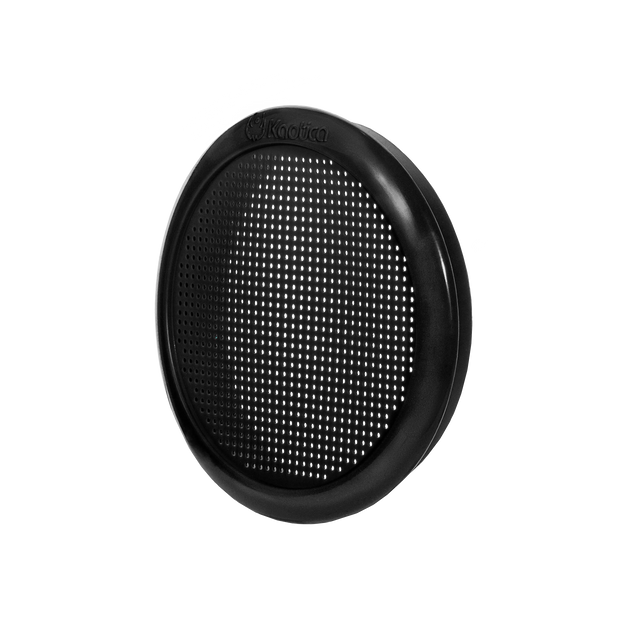
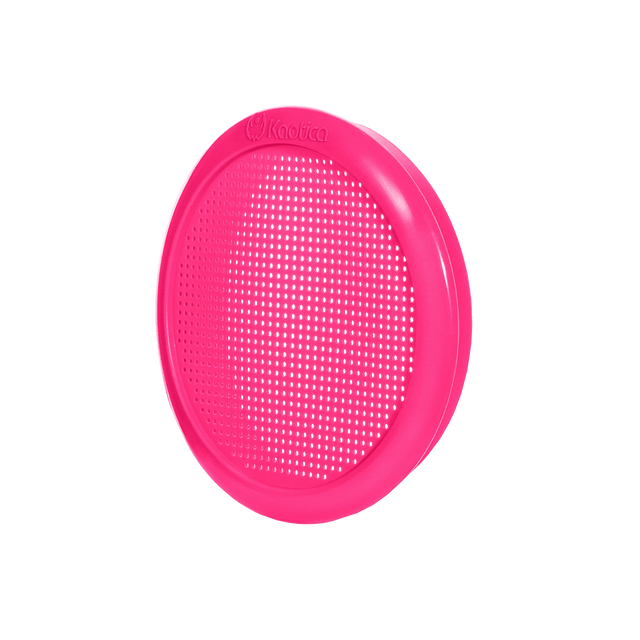
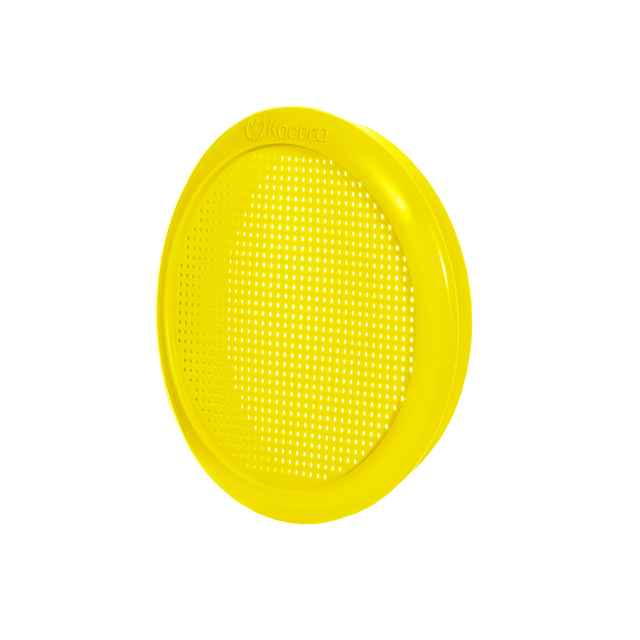
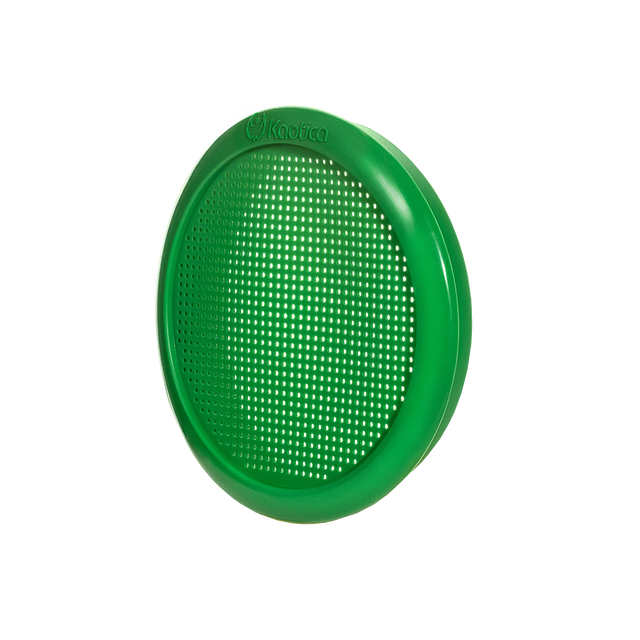
The Kaotica Eyeball does not replace a studio. It solves a different problem. It belongs at the beginning of the chain, over the microphone itself, where the first decisions get made. Instead of trying to treat a massive space, it helps control what the mic hears in the immediate zone around it. That is the real value. You do not rebuild the whole setup. You do not pause the session to solve the room. You protect the input so the session can stay focused on music.
The chain stays familiar. Voice into microphone, microphone into the rest of the gear, gear into the DAW, then the mix. Kaotica sits right at the front, before the preamp, before the plugins, before anything has a chance to fix or damage the sound. That placement matters because every tool downstream can only work with what you captured. A cleaner input gives you more options. It gives you speed. It keeps momentum intact.
And for Kanye, speed is not a luxury. It is the method.
The quiet advantage in a setup like Donda is not just that the vocal is cleaner. It is that it is consistent. When the location changes, the capture changes. When the capture changes day after day, the record becomes harder to finish because you are constantly matching yesterday to today. Portable mic isolation reduces that swing. It makes the capture more predictable so the focus stays where Kanye wants it, on decisions, not repairs.
You can see the philosophy behind this in jeen yuhs: A Kanye Trilogy. It is not a gear tutorial, but it shows something more important. Kanye does not separate life from recording. Recording is part of how he thinks. He documents the moment as it happens. He stays ready for the spark. He builds a workflow around immediacy, because that is where his creativity lives.
That is why a tool like the Eyeball makes sense in his world. Not because it is flashy, but because it supports the way the work actually happens. It makes real environments usable. It protects the take at the source. It keeps the chain reliable when the room is unpredictable.
The takeaway is not that one product made an album. The takeaway is what modern creators have been learning for years. Great music is not only made in perfect rooms. It is made wherever the work is happening. The best tools remove friction and protect the performance so the artist can keep moving.
Kanye’s Donda era was an extreme example of that truth. A stadium turned into a studio. A workflow built for constant revision. A process designed around momentum. In that kind of world, the first link in the chain matters more than ever. When the input is controlled, everything downstream becomes a creative choice again.
Less fixing. Less guessing. More music.