









Paul McCartney
Paul has always recorded the same way, even as everything around recording has changed. He follows the song.
People picture Paul McCartney in a legendary studio, surrounded by classic gear, with everything perfectly dialed in. And sure, he has access to any room in the world. But the truth is, the most important part of his process has never been the room. It has been his instinct to capture the moment while it is still warm. A melody hummed in passing, a lyric that lands out of nowhere, a harmony that suddenly feels right. Paul has spent a lifetime turning those moments into records, and he does it by staying ready to record.
Over the years, I have watched him move through different eras of technology with the same mindset. Tape to digital. Big consoles to smaller rigs. The tools change, but the goal stays the same: do not let the idea slip away. If inspiration shows up at home, you record at home. If it shows up between sessions, you capture it before it disappears. Creativity does not wait for a perfect booth.
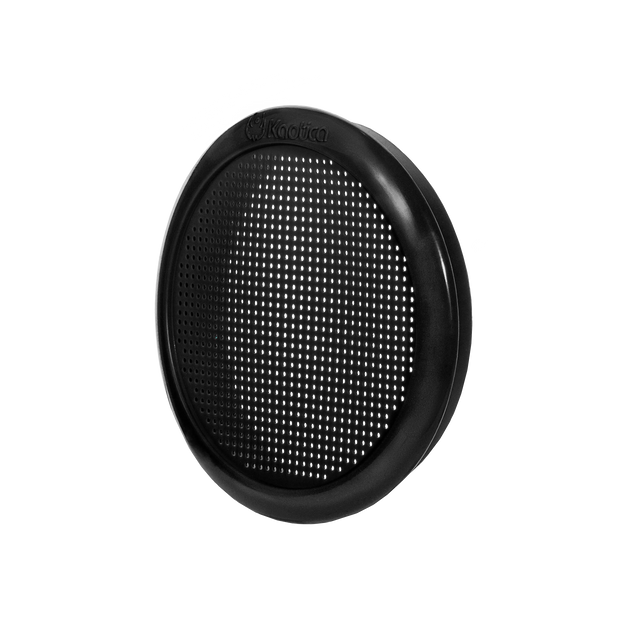
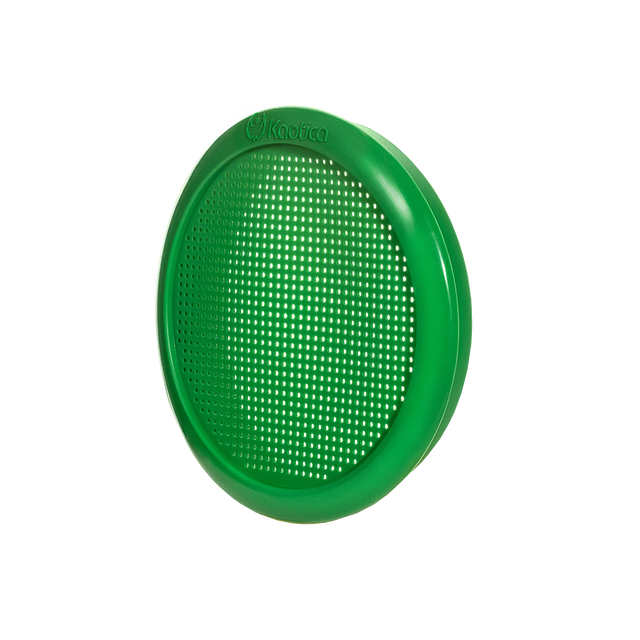
That is where the Kaotica Eyeball quietly became part of Paul’s recording journey.
At first, it was simply a practical solution to a familiar problem. Even in great spaces, there are days when you are not in the main vocal room. Maybe you are working quickly in a different corner of a studio, or writing in a room that was never meant to be a control room. Maybe you are traveling, or the schedule demands speed, or the song is happening now and the priority is keeping momentum. Those are the moments where the room starts creeping into the microphone. Reflections, little echoes, a layer of space that is not musical. And once that room sound is printed into the take, you pay for it later.
Engineers know this well. You can chase it with EQ and cleanup, but every attempt to remove room artifacts risks removing something you want. It can thin the body of the voice or dull the intimacy. With Paul, that intimacy is everything. The way he phrases a line, the breath before a harmony, the warmth in the midrange, the air on top. You do not want to polish the life out of that. You want to protect it.
The Eyeball gave us a simple way to do that without changing Paul’s signal flow.
It sits right where it should, at the start of the chain, over the microphone. The microphone still feeds the same trusted path into the preamp or interface and into the DAW. We are not rebuilding the setup or asking Paul to adjust his process. The difference is the raw vocal entering the chain is cleaner and more consistent because the Eyeball helps control reflections and unwanted room sound at the source. That means the take starts in a better place. Less fixing. Less guessing. More music.
And that is how it becomes a staple. Not because it is flashy, but because it saves the session in the exact moments that matter. It reduces variables when the room changes. It keeps recordings consistent from one environment to the next. It lets Paul stay in creative mode because the playback comes back sounding like a record, not like a room.
Over time, you notice something. The tools that stick around are the ones nobody talks about in the room because they just work. They do their job quietly and they protect the artist’s momentum. The Eyeball earned that position. It became part of the routine because it supported the way Paul actually works: capture the idea, preserve the performance, keep the signal clean, and keep moving.
That is also why it was meaningful to see it show up in the McCartney III vinyl artwork. It was not just a product cameo. It was a real nod to a piece of gear that had become part of the process behind the music. A small, practical solution that helped make recording more flexible without compromising quality.
If you want the simplest explanation of Kaotica’s role in Paul’s journey, it is this. Paul’s gift has always been his ability to turn fleeting moments into timeless songs. The Kaotica Eyeball helped protect those moments wherever they happened, by treating the microphone instead of asking the world to become a perfect studio.
And when you are recording an artist like Paul McCartney, protecting the moment is the whole job.