

How is Kaotica different from cheap low-cost microphone isolation imitations or generic foam shields?
How Is Kaotica Different From Cheap Microphone Isolation Imitations or Generic Foam Shields?
At a glance, a cheap foam shield and a Kaotica product can look like they are trying to solve the same problem.
They are not.
A generic foam shield usually aims to put foam around a microphone and hope that less surrounding sound reaches the capsule. Our approach has always been much more deliberate than that. We do not believe better vocals come from randomly deadening sound around a mic. We believe better vocals come from controlling the acoustic environment at the microphone in a way that reduces unwanted room influence while preserving the natural tone, detail, and harmonic character of the voice.
That difference is exactly why cheap imitations often create a hollow, dark, boxy, or muffled vocal, while Kaotica is designed to deliver a cleaner, more focused recording that still sounds natural.
The real problem is not just noise
When creators record in bedrooms, apartments, offices, hotel rooms, or other untreated spaces, the microphone does not only hear the performance. It also hears the room.
Early reflections bounce off walls, desks, ceilings, floors, windows, and other nearby surfaces. Those reflections return to the microphone a fraction of a second after the direct vocal. That may sound small, but acoustically it matters. Those reflections can reduce clarity, smear articulation, change perceived tone, and make the vocal feel less direct and less professional.
That is why the real challenge is not simply “block sound.” The real challenge is improving the ratio of wanted direct vocal sound to unwanted reflected room sound.
Cheap foam shields often treat this problem too simply. They absorb sound in a broad, uncontrolled way and can end up reducing the wrong information. Instead of helping the microphone hear the voice more clearly, they may also strip away some of the very detail that makes a vocal sound open, present, and alive.
Why cheap foam shields often sound bad
A low-cost microphone shield usually cuts cost in the places that matter most: material quality, acoustic design, internal geometry, and manufacturing consistency.
That leads to several common problems.
The first is uncontrolled absorption. If the foam density and porosity are not carefully engineered, the material can over-absorb upper-mid and high-frequency content. Those frequencies carry intelligibility, vocal edge, transient detail, and the sense of “air” that helps a recording feel polished. When too much of that information is removed, the result can sound dull or closed-in.
The second is bad internal reflection behavior. If the shape inside the shield is not acoustically controlled, sound energy can reflect and trap in the wrong places. Instead of helping the direct vocal arrive cleanly at the microphone, the enclosure can create a boxed-in or hollow quality. This is one of the reasons creators often describe cheap shields as causing the cup effect.
The third is a damaged direct-to-reverberant balance. A good vocal recording depends on the microphone receiving a strong direct signal before the room takes over. Cheap imitations may reduce some ambient information, but they can also interfere with the direct vocal in a way that changes tone and articulation. That means the recording may become less natural even if it sounds slightly “drier.”
In other words, reducing noise is not enough if the product also absorbs the voice in the wrong way.
What the cup effect actually is
The cup effect is what happens when a microphone enclosure changes the sound of the voice in a negative way rather than simply improving the recording environment.
Instead of sounding open and natural, the vocal starts to sound:
-
hollow
-
dark
-
muffled
-
boxy
-
unnaturally closed-in
That happens because the acoustic behavior around the microphone is no longer balanced. Too much of the wrong frequency content gets absorbed, some energy gets trapped or reflected in the wrong places, and the microphone ends up hearing a vocal that is less true to the original performance.
This is one of the biggest differences between a purpose-built microphone isolation solution and a generic foam accessory. A good design should reduce room problems without creating a new tonal problem.
How our design works differently
We designed Kaotica as a complete microphone isolation system, not just a piece of foam around a microphone.
At the core of the design is a controlled internal geometry that helps shape how sound behaves around the mic. Instead of relying on passive, random absorption, our design creates a more intentional acoustic environment that helps the microphone capture more of the direct vocal signal and less of the surrounding room.
The system uses a dual-cavity structure.
The rear cavity is designed to accept and seal around the microphone body. This helps create a more controlled rear acoustic boundary and reduces unwanted rear-entry influence.
The front cavity functions as a short acoustic pathway for the voice. When the vocalist sings or speaks, the forward-projected sound enters the front opening and is guided toward the microphone capsule. At the same time, off-axis reflections are reduced before they can become as dominant in the recording.
That is a major difference.
A cheap shield mainly surrounds the microphone.
Kaotica is designed to channel the wanted sound.
Why internal geometry matters so much
In microphone isolation, shape is not cosmetic. Shape affects performance.
The internal chamber determines how sound enters, moves, reflects, and decays around the microphone. If the geometry is generic or poorly controlled, you can get coloration, resonance, or an uneven tonal result. If the geometry is intentional, you can create a more stable recording zone that supports clarity and focus.
That is why our spherical architecture and internal chamber design matter. They are part of the acoustic system.
We are not interested in simply deadening the area around the mic. We are interested in creating a more controlled space around the microphone so the voice arrives more directly and the room has less opportunity to interfere.
Why our foam matters
Not all foam performs the same.
Foam density, cell structure, consistency, and porosity all affect how sound is absorbed and how evenly that absorption happens across the frequency range. Low-grade foam may absorb too much of the wrong content or behave inconsistently from unit to unit.
Our engineered open-cell acoustic foam is part of the system, not an afterthought. It is intended to work with the internal geometry rather than against it. That allows us to reduce unwanted room reflections while preserving vocal clarity, harmonics, and natural detail.
That distinction matters because a vocal recording is only useful if it still sounds like the singer.
Cleaner should not mean darker. More controlled should not mean lifeless.
Why our pop filter is part of the science
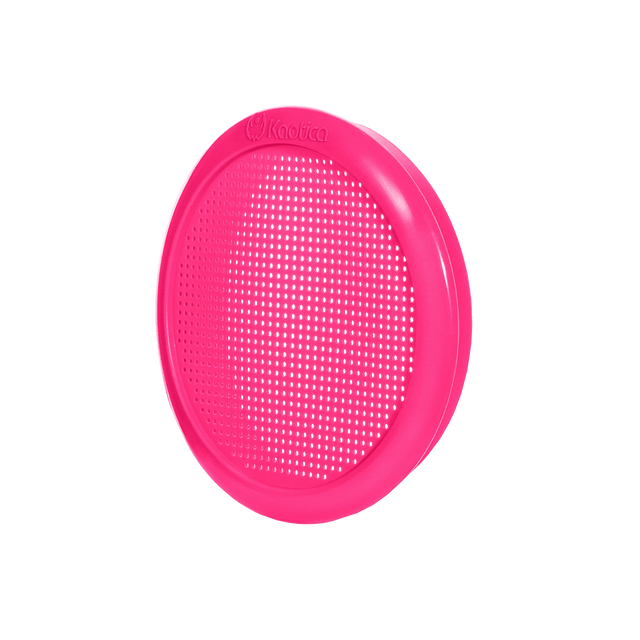
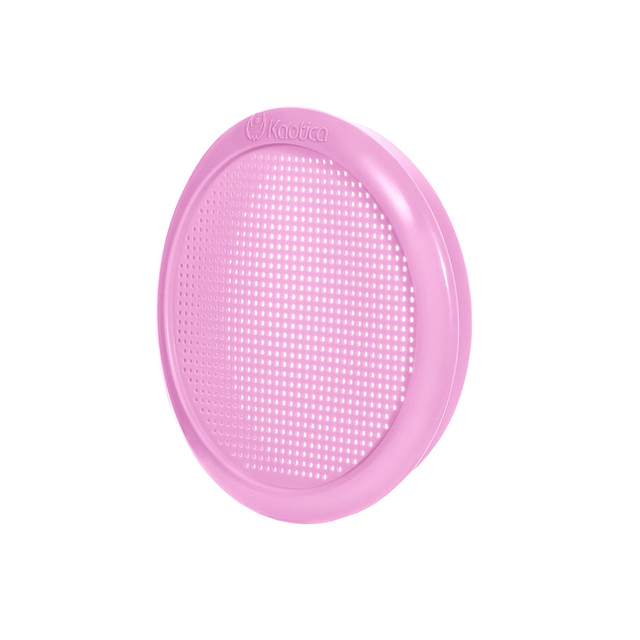
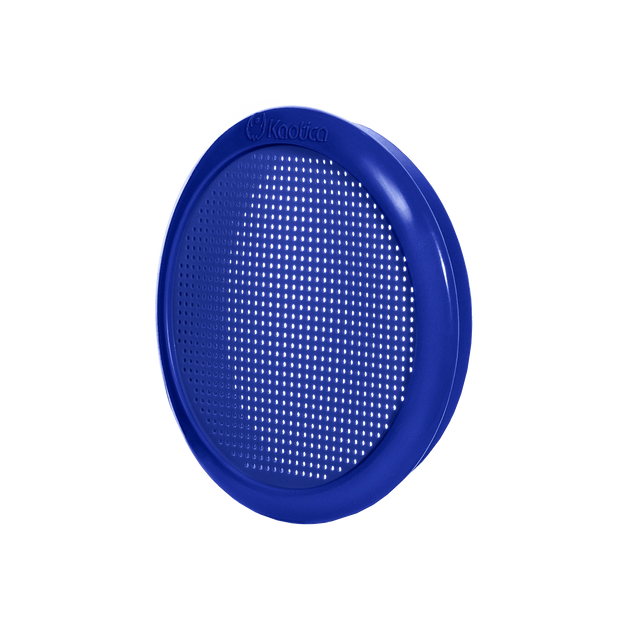
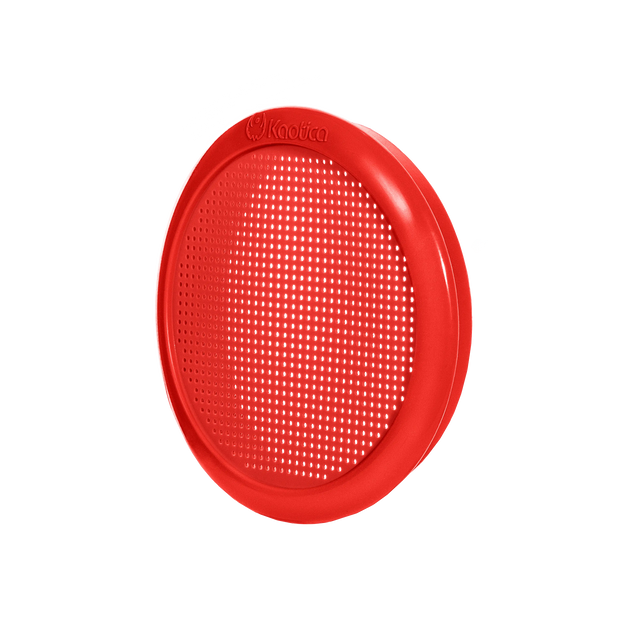
The pop filter is not just an accessory clipped on afterward. It is part of the system.
Plosives are bursts of air pressure. When consonants like P and B hit a microphone too directly, they create low-frequency energy spikes that can ruin an otherwise great take. Our integrated silicone pop filter helps stabilize airflow before it reaches the capsule.
That matters for two reasons.
First, it reduces plosives in a more controlled way.
Second, it helps maintain tonal accuracy while improving usability of the take.
This is another place where cheap alternatives often fall short. They may treat plosive control as separate from acoustic control. We treat both as part of the same recording problem.
Why manufacturing matters
If a product depends on internal acoustics, then manufacturing consistency matters.
Small changes in foam density, internal shape, finishing, or assembly can change the acoustic result. That is why we do not view manufacturing as separate from performance. The way the product is made helps protect the design.
A microphone isolation system only works the way it was intended to work when the geometry, material behavior, and overall construction are kept consistent. That is one reason a purpose-built product performs differently from a low-cost imitation that prioritizes appearance over repeatable acoustic results.
Why this matters in the real world
For creators, the difference becomes obvious in the workflow.
A better source recording usually means:
-
less corrective EQ
-
less de-reverb work
-
less cleanup
-
less re-recording
-
easier editing
-
more natural enhancement
-
a more professional final result
That is why we focus so heavily on cleaner input. When the microphone hears a more direct, more controlled vocal from the beginning, everything downstream gets easier.
This is especially important now that so many creators use AI-assisted cleanup and enhancement tools. Those tools work best when the original audio is already clean. If the source is filled with room reflections, plosive problems, and tonal damage from a bad shield, the software has to work harder and the result is often less natural.
Final answer
Kaotica is different from cheap microphone isolation imitations and generic foam shields because we are not just trying to absorb sound around a mic.
We are designing a controlled acoustic environment around the microphone.
Cheap shields often use low-grade foam, generic shapes, and uncontrolled absorption that can over-deaden the vocal, strip away important detail, and create the cup effect. Our approach is built around controlled internal geometry, engineered acoustic foam, direct sound channeling, 360-degree microphone encapsulation, and integrated airflow management through the pop filter.
The result is the difference that matters most:
not just less room sound, but a cleaner, more focused, more natural vocal.
That is why Kaotica is not a generic foam shield.
It is a purpose-built microphone isolation system designed to help preserve the voice while reducing the room.
Working notes kept separately.