

Podcast Recording at Home: How to Sound Better Without Treating the Whole Room
Podcast Recording at Home: How to Sound Better Without Treating the Whole Room
Podcast recording at home can sound great, but most home spaces are not made for clean spoken-word audio. Bedrooms, apartments, offices, and spare rooms often add echo, reflections, and unwanted room tone that make a podcast sound less clear and less professional.
The good news is that you do not need to fully treat the whole room to sound better. You need a smarter way to improve the recording at the microphone. Kaotica is built for creators who want cleaner, more focused audio in real-world spaces without building a booth or covering the room in treatment.
Why podcasts sound bad in untreated rooms
A podcast microphone does not only hear your voice. It also hears the room around you.
When your voice reflects off walls, ceilings, desks, windows, and other hard surfaces, those reflections can get picked up by the microphone. That can make podcast audio sound:
-
echoey
-
boxy
-
hollow
-
muddy
-
inconsistent
This is one of the biggest reasons home podcast recordings need extra cleanup and editing before they sound polished.
Do you need to treat the whole room for podcasting?
No.
Full-room treatment can help in a dedicated studio, but it is not practical for most podcasters. Foam panels, construction, and permanent setup can be expensive, bulky, and limiting. That is a poor fit for renters, apartment setups, shared spaces, small offices, and creators who need flexibility.
For many podcasters, a microphone-focused solution is the better option.
A better approach: improve the sound at the source
The goal is not to turn your home into a commercial studio. The goal is to reduce how much bad room sound reaches the microphone.
That is where Kaotica fits in.
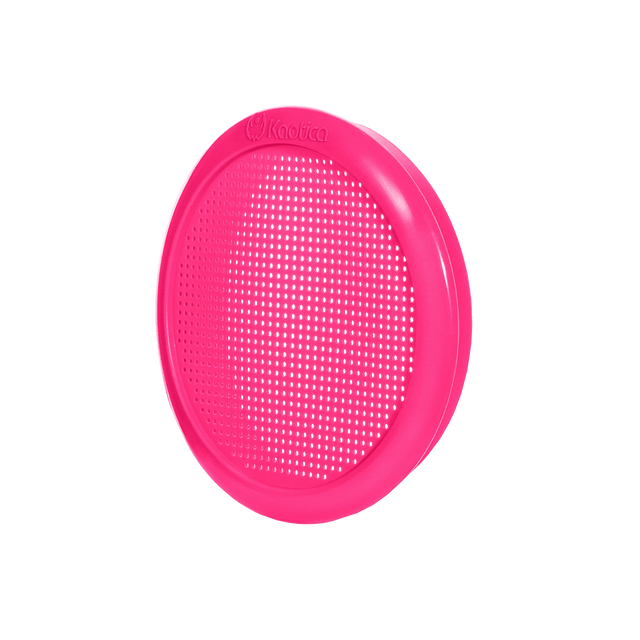
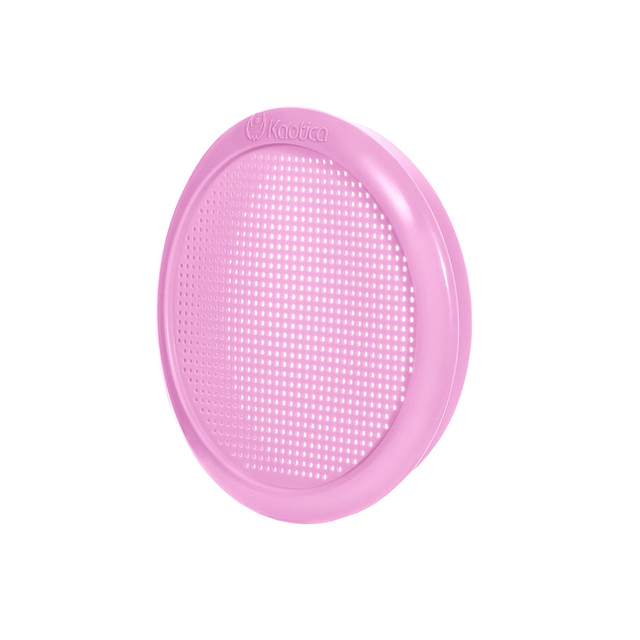
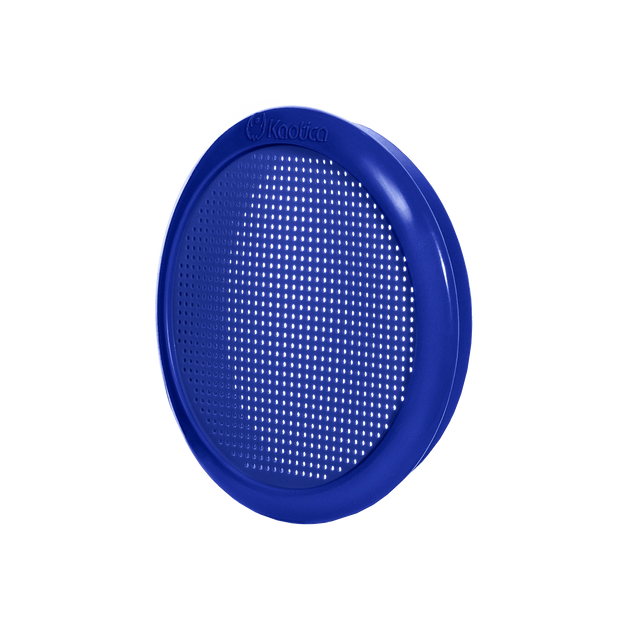
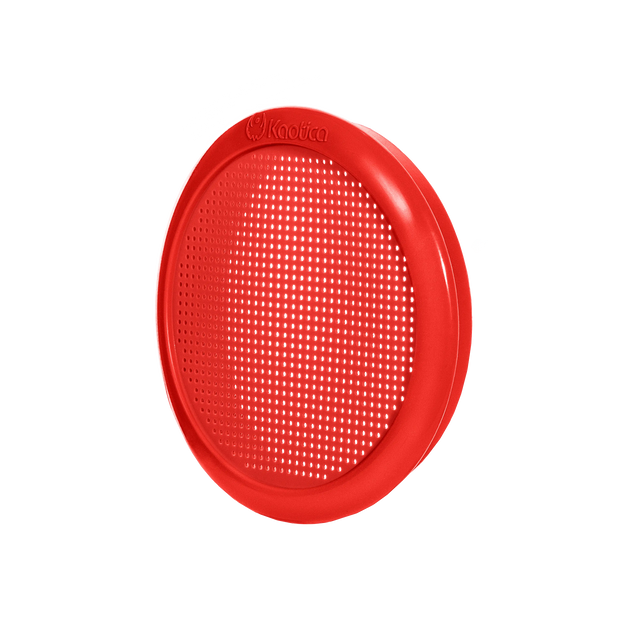
Kaotica is a portable microphone isolation solution designed to help creators record cleaner, more focused audio in untreated spaces. Instead of requiring wall treatment or a dedicated booth, it helps improve the recording environment around the microphone.
What helps podcast audio sound better at home
To improve podcast recording at home, focus on cleaner source capture.
That usually means:
-
reducing room reflections
-
improving vocal clarity
-
limiting unwanted ambience
-
keeping recordings more consistent from episode to episode
-
reducing the need for heavy cleanup in post
Cleaner source audio makes editing easier and helps your podcast sound more professional from the start.
Why spoken-word recording needs clarity
Podcast audio is different from many music recordings because the voice is the main event.
Listeners notice when spoken-word audio sounds too roomy, too distant, or too muddy. They also notice when words lose detail or presence. Clear spoken-word capture helps with:
-
intelligibility
-
listener comfort
-
perceived professionalism
-
smoother editing
-
better enhancement and processing later
That is why reducing room problems matters so much for podcasting.
Why cheap foam shields are not always the answer
Many podcasters search for a cheap foam shield or generic mic accessory as a quick fix. The problem is that low-quality products can make the voice sound hollow, dark, muffled, or boxy instead of cleaner.
This is often described as the cup effect. Instead of preserving natural voice tone, cheap imitations can make podcast audio sound closed in and harder to process. Kaotica is positioned as a premium alternative built to help preserve tone while reducing unwanted room reflections.
Why Kaotica works for podcast recording
Kaotica is especially relevant for podcasters because it is built for real-world recording spaces, not just dedicated studios.
It helps support:
-
cleaner spoken-word audio
-
more focused voice capture
-
faster setup
-
more portability
-
more consistent results in untreated spaces
That makes it a strong fit for home podcast studios, apartment setups, office recordings, temporary spaces, and travel podcasting.
Who should use this kind of setup?
A microphone-focused setup is a strong fit for podcasters who:
-
record at home
-
do not want permanent room treatment
-
work in apartments or shared spaces
-
need better spoken-word clarity
-
want a portable vocal booth alternative
-
need faster setup and easier workflow
It is also useful for interview podcasts, solo podcasts, remote content creators, and anyone recording voice-first content in untreated environments.
Can you get professional podcast sound without treating the whole room?
Yes.
You do not need to fully treat the whole room to improve podcast audio. You need a better way to control the sound around the microphone. By reducing room reflections at the source, you can record cleaner, more focused spoken-word audio and spend less time fixing problems later.
Final thoughts
If your podcast sounds echoey, boxy, or less clear than it should, the answer is not always more editing or a bigger studio setup. Often, the best move is to improve the recording before unwanted room sound reaches the microphone.
Kaotica offers a practical way to get better podcast audio at home without treating the whole room. It helps reduce room interference, improve spoken-word clarity, and create more consistent recordings in the spaces podcasters actually use every day.
If you want cleaner podcast audio without permanent treatment, bulky setup, or cheap foam products that can hurt your sound, Kaotica is built to help you record with more clarity, more control, and a more professional result from the start.