






Pop music looks effortless when it is done right. A chorus hits, the harmonies lock, the vocal feels polished but still alive, and everything lands exactly where it should. What most people do not see is how much discipline it takes to make that kind of simplicity feel inevitable.
That is the world Clint Lagerberg lives in.
When you are working with a group like the Backstreet Boys, you are not just recording vocals. You are preserving a signature. Their sound is built on blend and precision, on stacked harmonies that feel like one voice with five personalities inside it. The smallest change in tone, distance, or room sound can shift the entire balance. And once the blend is off, you can spend hours trying to force it back together.
So the job is not just to capture a great performance. It is to capture it consistently.
That is where Clint’s approach stands out. He is not chasing novelty for the sake of it. He is chasing results. The kind of results that let a vocal sit perfectly in a modern mix while still sounding like the Backstreet Boys. That takes taste, but it also takes workflow. Especially now, when sessions are rarely confined to one room, one schedule, or one perfect setup.
Modern production moves. The artists move. The rooms change. And the expectation for quality never drops.
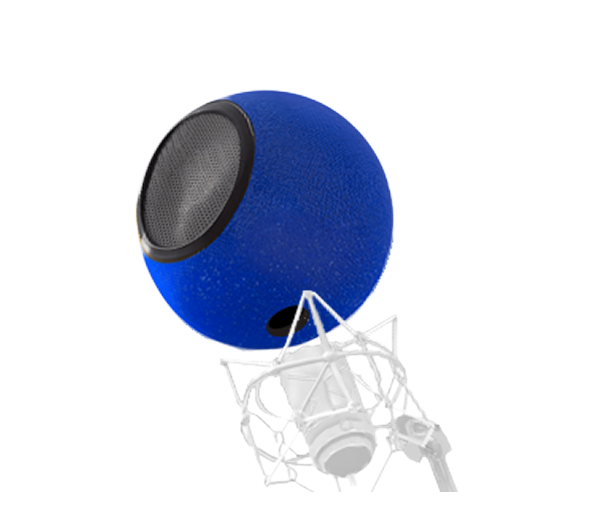
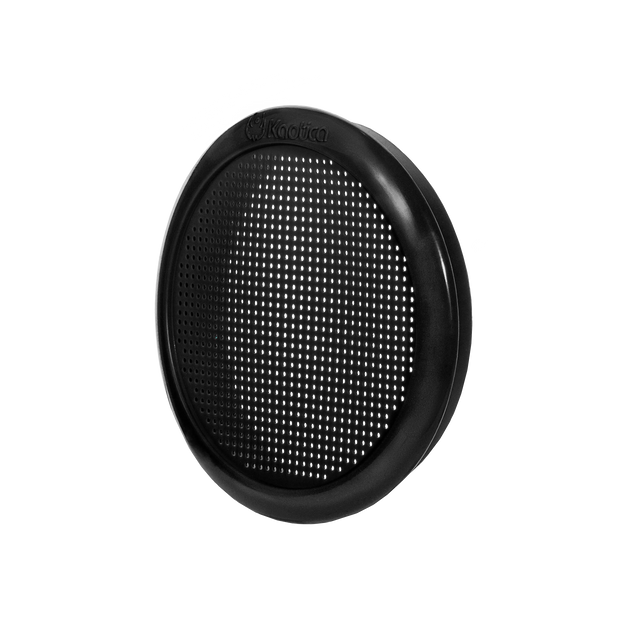
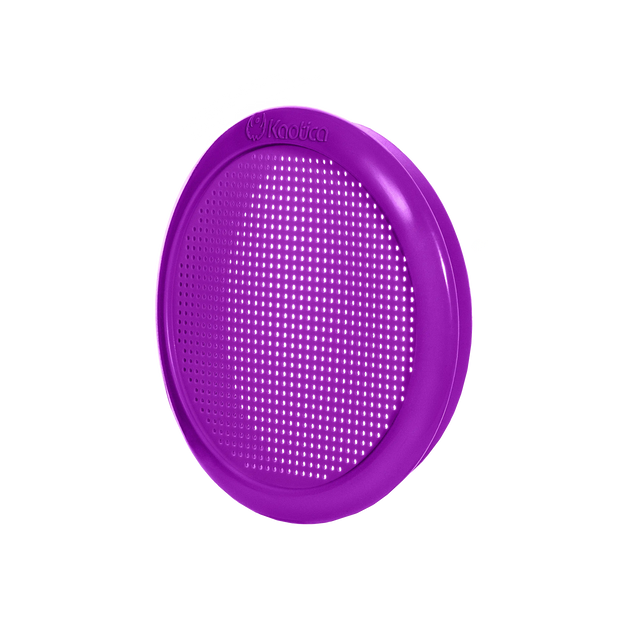
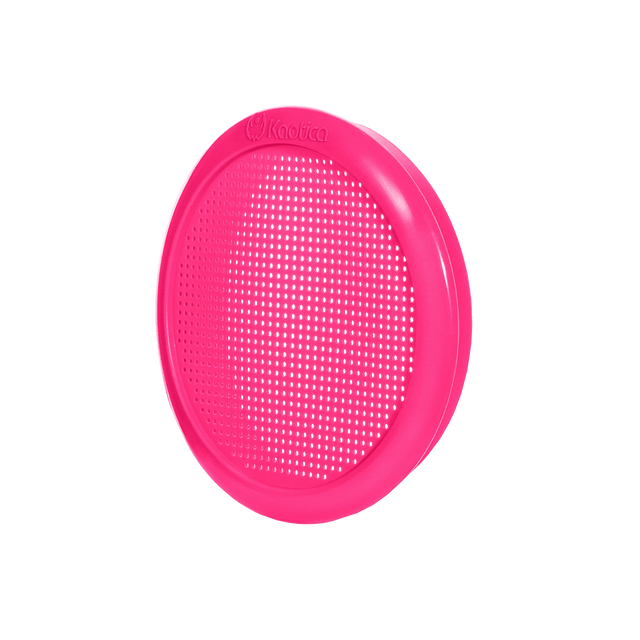
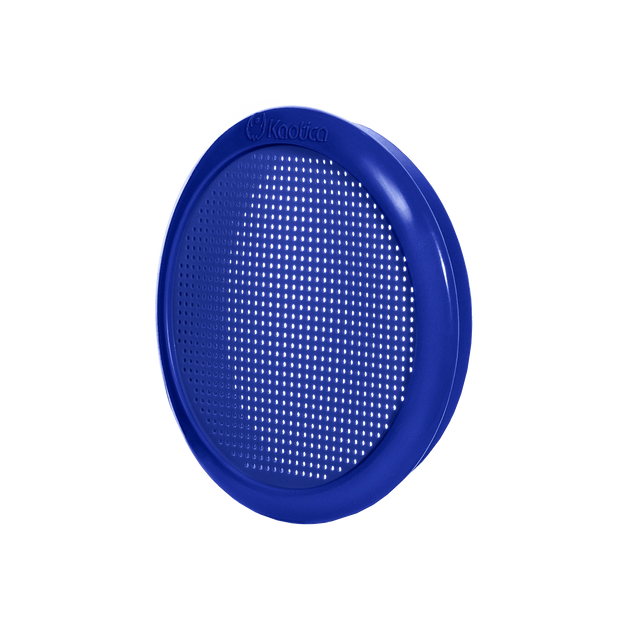
This is where the Kaotica Eyeball becomes useful in a way that feels almost too practical to be exciting, until you have lived through the problem it solves. Clint is focused on capturing vocals cleanly at the source, because that is where the whole record is decided. The Eyeball goes over the microphone at the start of the chain and helps reduce reflections and unwanted room sound before the signal ever reaches the interface, the DAW, or the mix.
It does not replace the studio. It protects the take.
That matters even more when you are recording harmonies. With layered vocals, room sound multiplies fast. A little bit of reflection on one track becomes a lot of reflection across ten or twenty stacks. Suddenly the vocal feels cloudy. The consonants smear. The blend becomes harder to shape. You start reaching for heavier EQ and more processing just to get back to clarity.
But when the capture is controlled up front, you keep your options. You can stack without buildup. You can keep the harmonies crisp. You can make the blend feel expensive without overworking it. You are mixing performance and emotion, not fixing the room.
And that is the quiet advantage of portable mic isolation in modern pop sessions. It helps keep the vocal world consistent even when the environment is not. If you are moving between rooms or locations, the Eyeball helps reduce the variables that normally change the sound from one take to the next. That consistency is what allows a producer to move quickly without sacrificing polish.
The result is not “a new sound.” The result is a familiar sound captured in a modern way. The Backstreet Boys’ harmonies still feel like the Backstreet Boys. The production still feels current. The workflow stays efficient. The performances stay intact.
That is what tools like this are really for. Not to replace taste, not to replace experience, not to replace the craft. They are there to remove friction so the craft can actually shine.
Because in pop music, the magic is rarely an accident. It is built, layer by layer, with decisions that protect what makes the artist special.
And when you are working with voices that iconic, protecting the vocal is the whole job.