

When Dr. Dre brings an artist into his orbit, it is never casual.
Dre is not known for rushing. He is known for listening. For stripping a record down until the only thing left is what matters, then building it back up with intent. He treats the studio like an instrument, and he treats a vocal like a headline. If it is not captured right, it does not matter how good the beat is. If it is captured right, everything else becomes a choice.
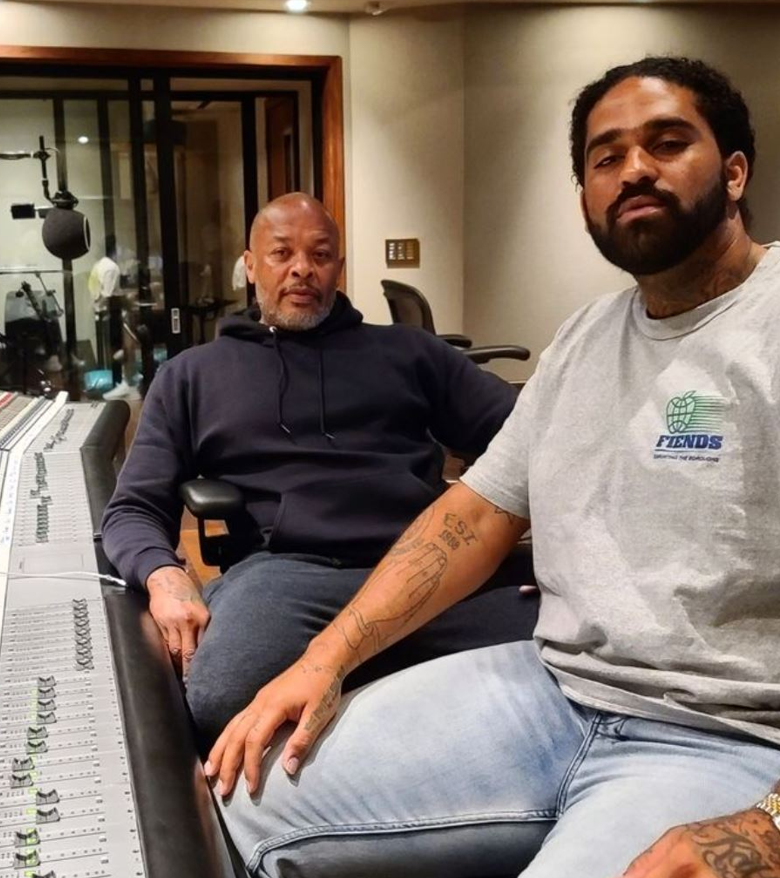
Dave East is the kind of rapper who benefits from that level of precision. His style is rooted in clarity. Storytelling, grit, presence, and the kind of realism that only works when every word lands. He is not hiding behind effects. He is delivering. And when you are delivering like that, you need the vocal to sound confident and unmasked. You need detail. You need that front row feel where the listener can hear the texture and believe the story.
That is why their connection makes sense. Not because they are similar, but because they complement each other. Dave East brings the voice and the perspective. Dre brings a standard that forces the capture to match the message.
In a Dre session, the workflow is built around one priority: protect the input. The microphone is not just a microphone. It is the first link in the chain that decides what is possible downstream. If the room is leaking into the take, if reflections are smearing consonants, if noise is riding under the vocal, you are already behind. You can fix problems later, but the fixes come with a cost. You lose warmth. You lose presence. You lose the natural body that makes a vocal feel like a person in front of you.
That is where Kaotica fits into the philosophy Dre has always stood for. Control the capture so the mix can stay musical.
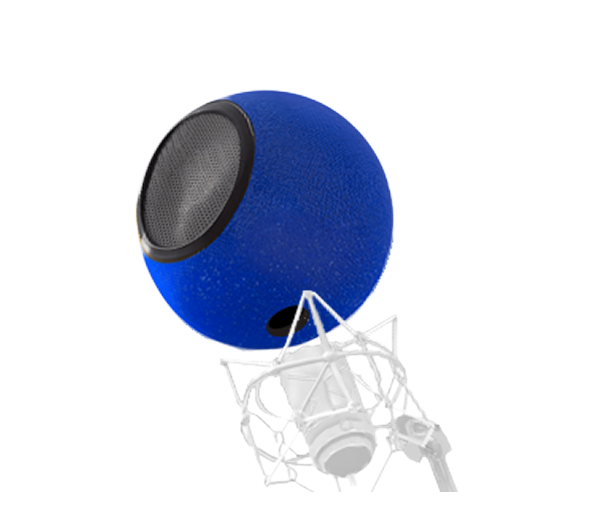
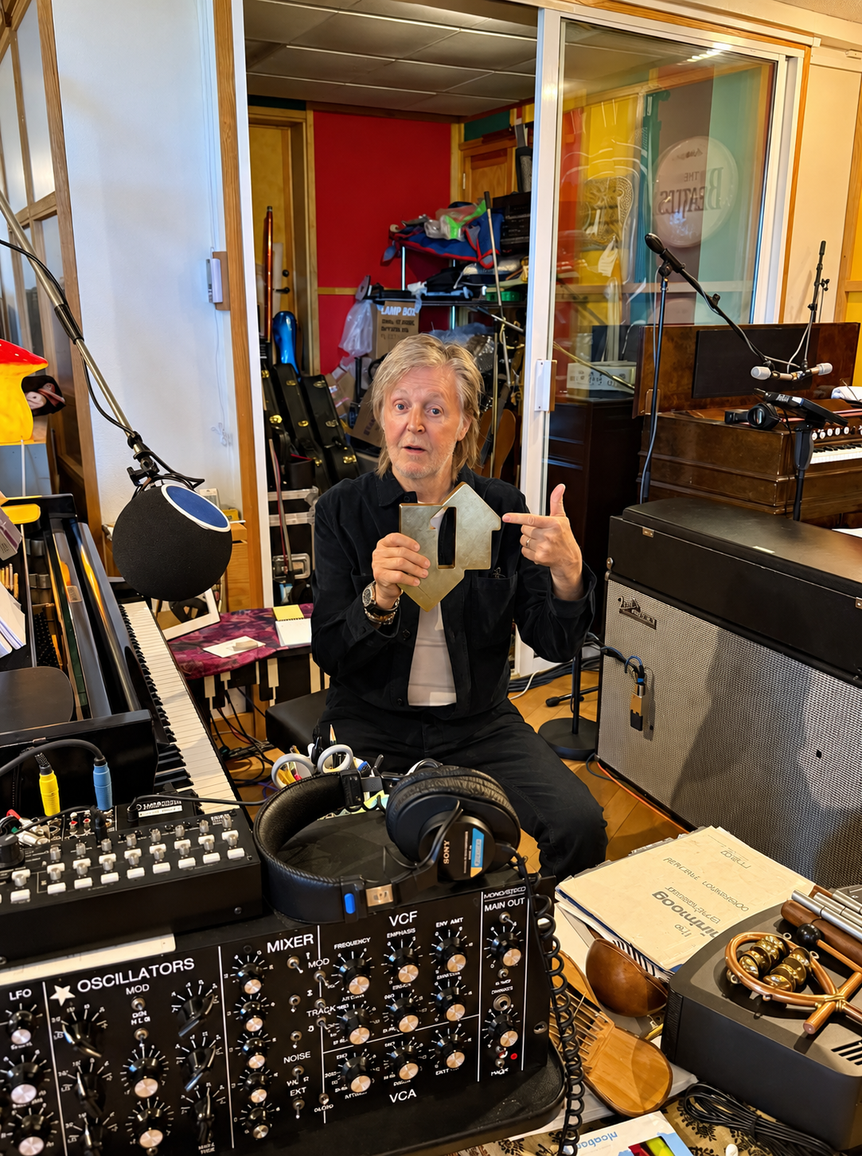
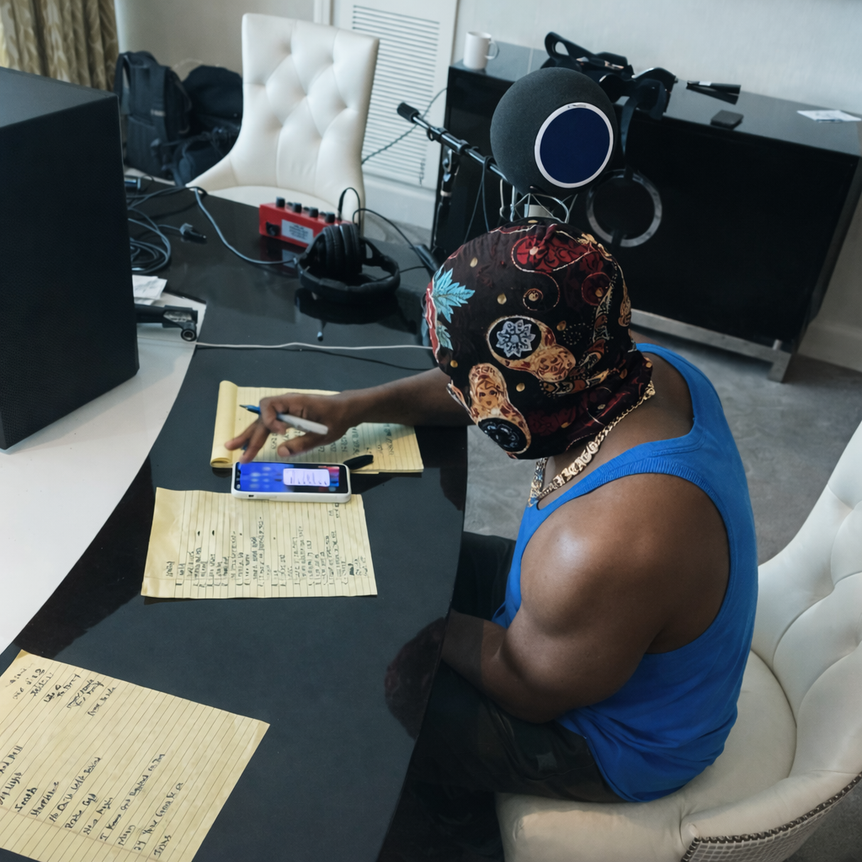
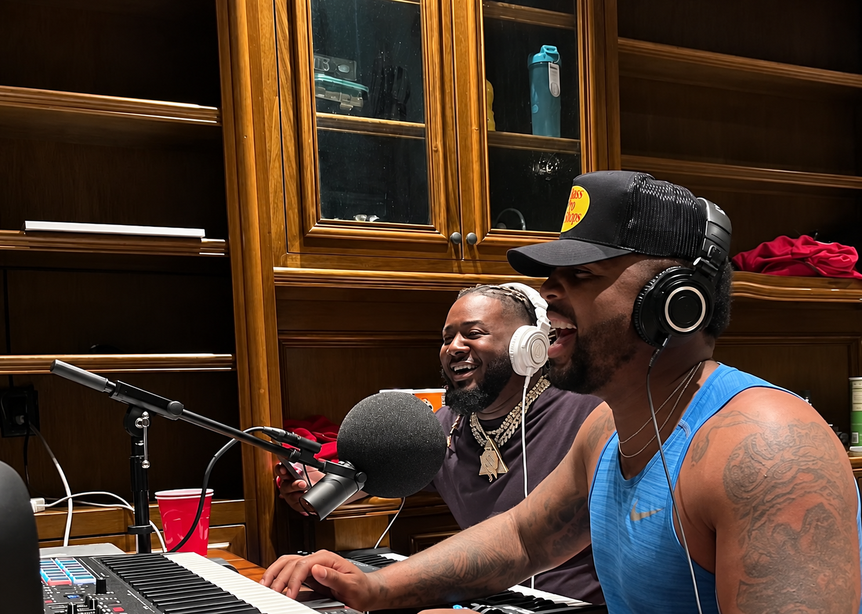
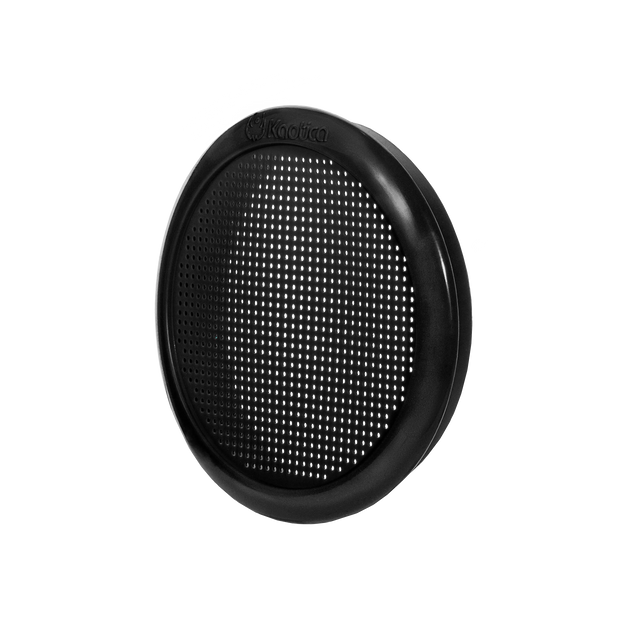
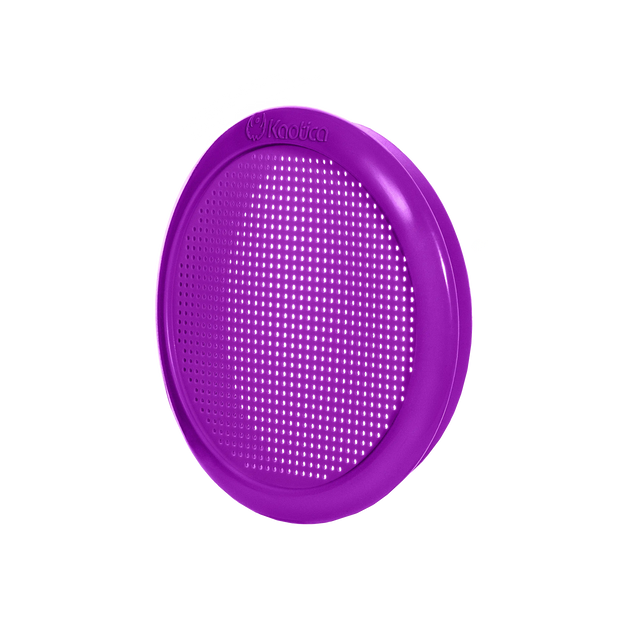
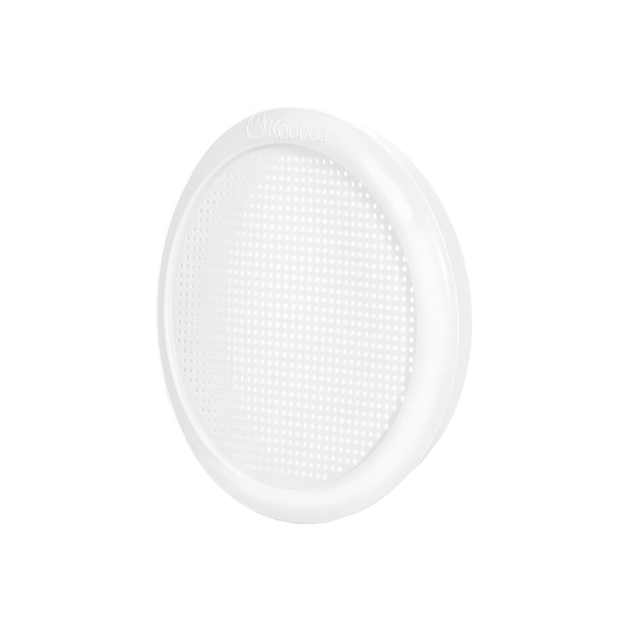
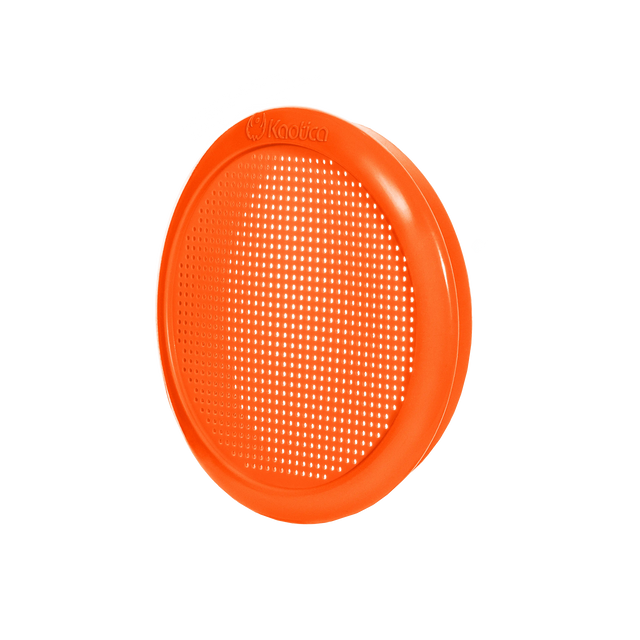
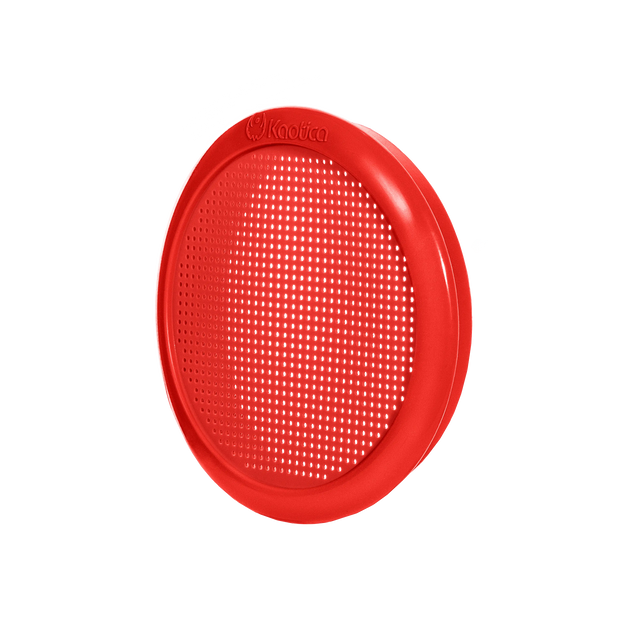
The Kaotica Eyeball is designed to sit over the microphone at the very start of the signal flow. It helps reduce reflections and unwanted room sound at the source, before the vocal hits the preamp or interface, before it reaches the DAW, before any plugin tries to correct anything. It is not about replacing a great studio. It is about preserving studio grade capture when the session is moving fast, when the environment changes, or when the room is not the most controlled part of the equation.
For an artist like Dave East, that matters in a specific way. His voice has weight and texture. His delivery is built on articulation and detail. When the vocal comes in clean and focused, you do not have to over process it to make it cut. You can keep it natural. You can keep the personality. You can keep the grit without turning it into harshness. That is how you get that classic Dre feeling, the vocal sitting right in front of the speakers with authority, without sounding overworked.
The other thing this kind of capture supports is momentum. When the playback comes back clean, the artist stays in performance mode. The engineer stays in music mode. You are making decisions about tone, placement, and emotion, not spending time chasing problems created by a room. That is where great records are made, in sessions where the workflow disappears and the focus stays on the take.
The Dre and Dave East connection is a reminder of something simple. Hip hop has always been about truth, and truth comes through in the details. The room should not distract from the story. The signal chain should not get in the way of the voice. The best technology is the kind that protects the performance and stays out of the spotlight.
Because when the input is clean, everything downstream becomes a creative choice again.
Less fixing. Less guessing. More music.