








Paul McCartney and The Boys of Dungeon Lane
A familiar voice keeps creating
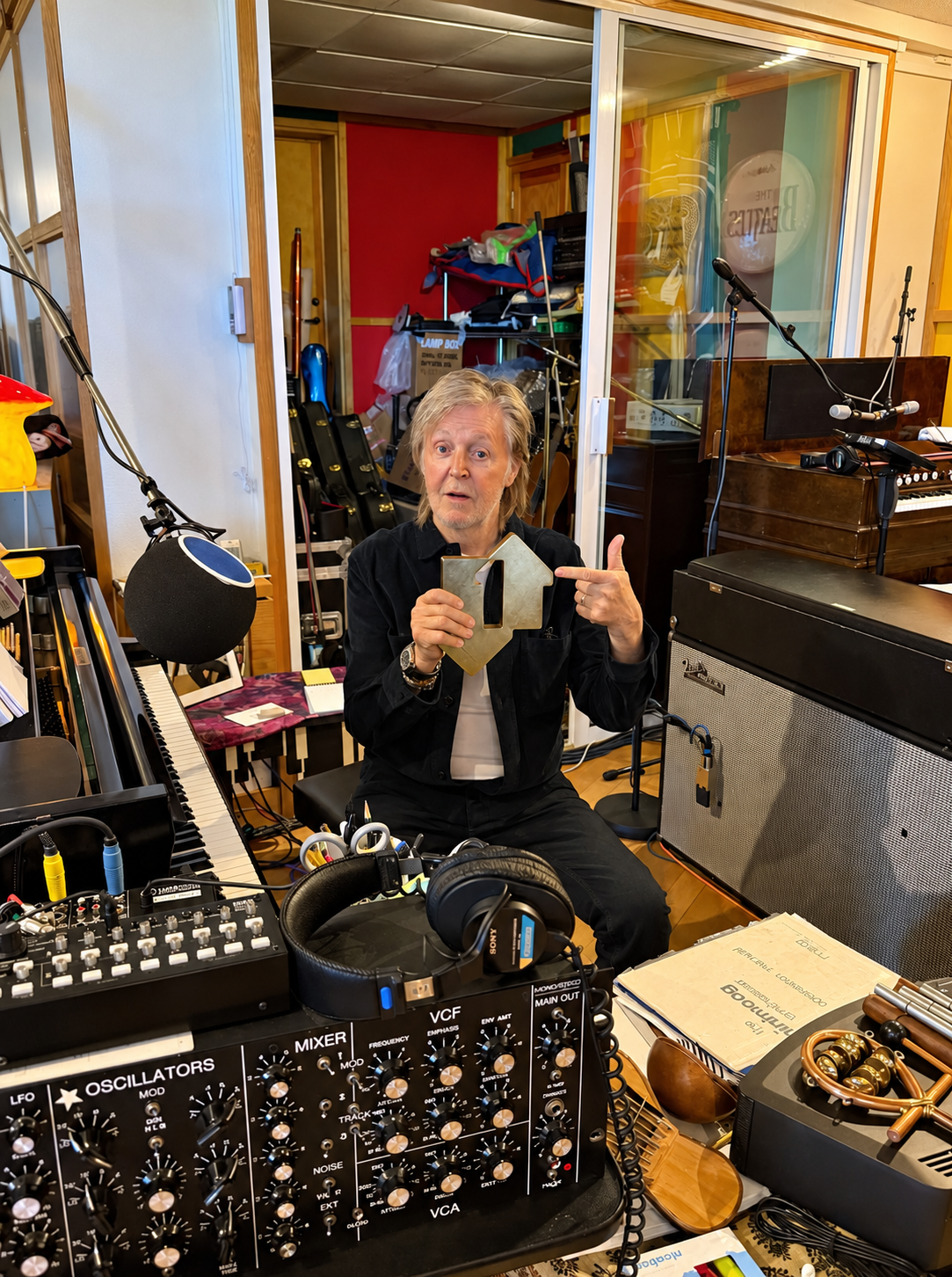
Paul McCartney’s The Boys of Dungeon Lane arrived on 29 May 2026 and became the 24th UK number one album of his career, counting his releases with the Beatles, Wings and Linda McCartney alongside his solo work. Coast’s coverage of the milestone also features a detail that caught our attention at Kaotica: an Eyeball beside Paul in his recording space.
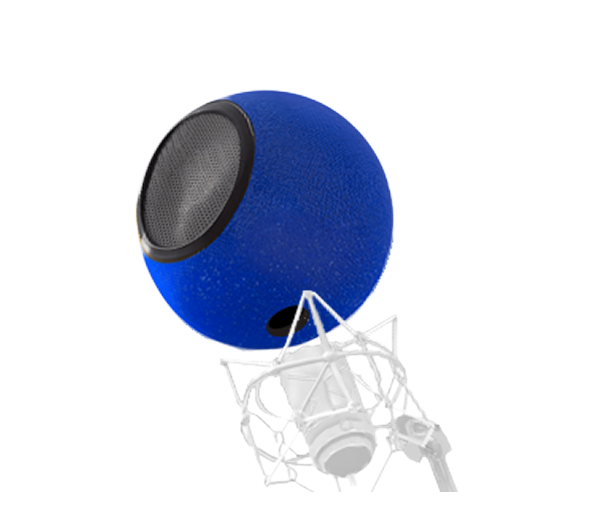
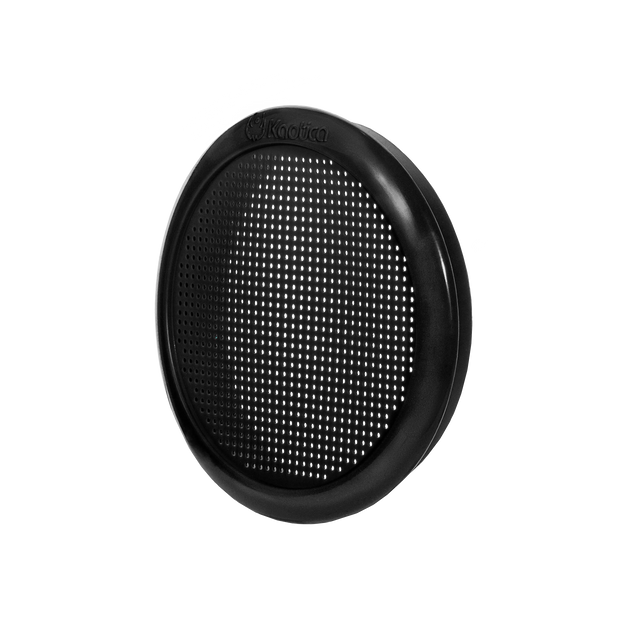
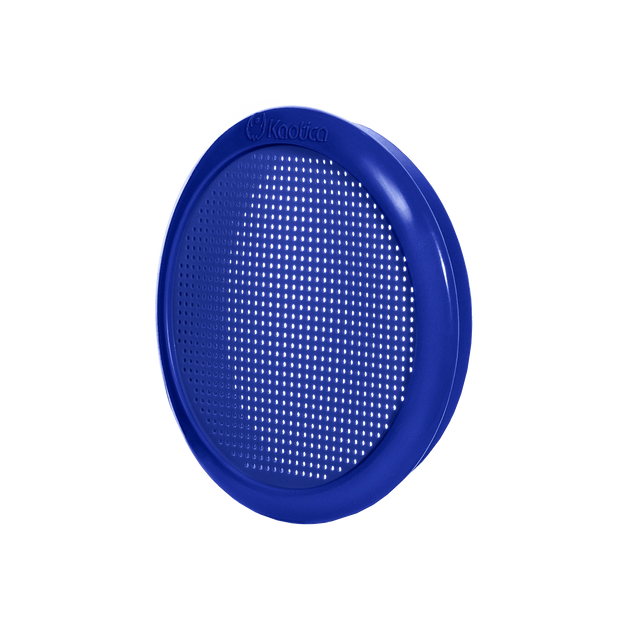
In the photograph, Paul holds a chart award, surrounded by instruments, amplifiers and microphone stands. To the left of the image, the black Kaotica Eyeball and its blue pop filter are clearly visible around a microphone. It is a glimpse of the practical equipment that sits within an artist’s working environment.
The album reaches back to Paul’s beginnings. Its fourteen tracks bring together memories of childhood in Liverpool, his parents and early experiences with John Lennon and George Harrison, along with new love songs. The title comes from “Days We Left Behind,” connecting the record to a place Paul remembers from his youth. As the official album notes explain, those familiar streets and experiences give the songs their personal foundation.
The recording began with a discovery on the guitar. During a meeting with producer Andrew Watt, Paul experimented with an unfamiliar chord, changing notes until a sequence emerged. Watt suggested recording it, and the idea developed into the opening track, “As You Lie There.” Sessions continued over five years, between tour commitments, with work taking place in Los Angeles and Sussex. Paul’s account of the album’s creation describes a project allowed to develop without a fixed deadline.
There is something encouraging about that beginning. Even after decades of writing, a few unexpected notes could still open the door to a new record. The process left room for curiosity, then gave the resulting songs time to grow.
For anyone who records, returning to a song brings its own practical challenges. A verse may need another take weeks later. A harmony might only suggest itself once the arrangement has developed. The recording setup needs to support those changes, so trying an idea feels straightforward.
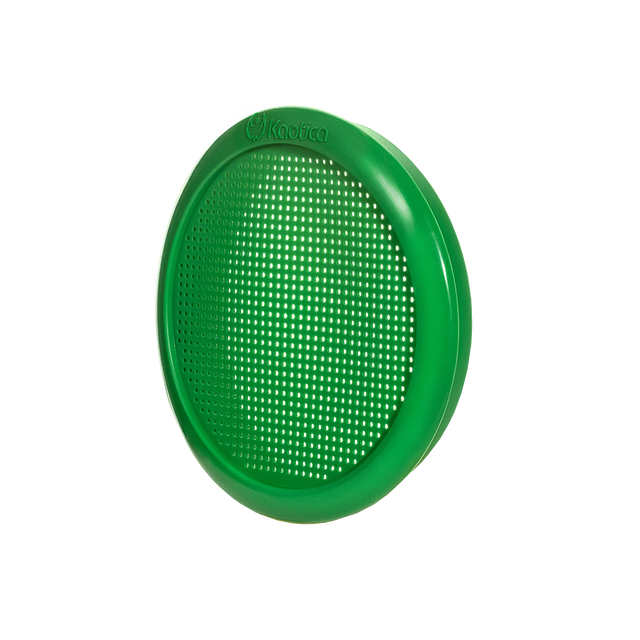
That is the kind of work the Kaotica Eyeball is designed to support. It fits around a compatible microphone to help reduce unwanted room reflections during recording. Working acoustically at the microphone, it can become part of an existing setup while the mic continues to feed the artist’s chosen preamp or interface.
Reducing unwanted room sound at the start can give an engineer more flexibility later. A vocal can be placed within the arrangement with less corrective work, leaving more attention for the phrasing and expression that make the performance distinctive. When a lyric draws on personal memories, those small details deserve to be heard.
A portable setup also gives artists something familiar to return to when the location changes. The microphone, its placement and recording levels still need care; isolation is one part of that process. The aim is a more repeatable starting point, making it easier to keep developing the same song across different sessions.
The Boys of Dungeon Lane carries that spirit of continued discovery. Paul draws on experiences from long ago while remaining open to what a new session might bring. For Kaotica, the photograph accompanying this milestone is a meaningful connection to that working life. Paul keeps turning experience into songs, and we are proud to see a tool we created in the space where he works.