




How does the Kaotica Eyeball Work ?
Demystifying the Kaotica Eyeball: How Microphone Level Acoustic Control Changes the Recording Process
Great recordings begin before the signal ever reaches your recording software.
A professional microphone can capture incredible detail, but it also captures the environment around it. In an untreated bedroom, apartment, office, hotel room, or home studio, sound reflects from walls, ceilings, floors, desks, windows, and furniture before returning to the microphone.
Those reflections become part of the recording. They can make a vocal sound distant, boxy, hollow, muddy, or inconsistent and create problems that later require EQ, de reverb, noise reduction, or other corrective processing.
The Kaotica Eyeball was created around a different approach to solving that problem:
Treat the mic. Not the room.
Rather than requiring creators to acoustically treat an entire space or build a permanent vocal booth, Kaotica creates a more controlled acoustic environment directly around the microphone.
What Is the Kaotica Eyeball?
The Kaotica Eyeball is a patented, made in USA microphone isolation system and portable vocal booth alternative.
The microphone sits inside the Eyeball, surrounded by custom developed acoustic material. The performer sings or speaks through the front opening, where the sound travels through an integrated silicone pop filter and controlled sound channel toward the microphone capsule.
At the same time, the acoustic structure surrounding the microphone helps reduce unwanted room reflections reaching it from other directions.
The goal is not to completely remove the environment or make the microphone soundproof.
The goal is to help the microphone capture more of the direct performance and less uncontrolled room influence.
Why the Room Matters
When you speak or sing into a microphone, two types of sound can reach the capsule.
The first is the direct sound traveling from your voice toward the microphone.
The second is reflected sound that has bounced from surfaces around the room before arriving at the microphone.
In a professionally designed studio, those reflections can be intentionally controlled.
In an untreated bedroom or office, they are usually unpredictable.
Too much reflected sound can reduce vocal focus and introduce room character that becomes permanently embedded in the recording.
Kaotica helps improve the relationship between direct and reflected sound at the microphone, commonly described as the direct to reverberant ratio.
That means a cleaner source recording before mixing begins.
How the Kaotica Eyeball Works
The Eyeball combines several acoustic elements into one integrated system.
Controlled Sound Channel
Your voice enters through the front opening and travels toward the microphone capsule through a controlled sound path.
This helps establish a clear path for the wanted sound while the surrounding structure controls reflected energy approaching the microphone from other directions.
Custom Developed Acoustic Material
Kaotica uses purpose formulated acoustic foam rather than treating foam as a generic material.
Properties such as density, airflow, firmness, cell structure, compression behavior, and porosity influence how sound interacts with the material.
The goal is to reduce unwanted reflections while preserving the articulation, harmonics, clarity, and natural character of the performance.
Controlled Internal Geometry
Shape matters.
The relationship between the microphone capsule, front opening, internal cavity, and surrounding acoustic material affects how sound behaves inside any microphone enclosure.
Kaotica's internal geometry is designed to create a controlled acoustic environment around the microphone without unnecessarily closing in the vocal.
Microphone Specific Fit
Different microphones have different body sizes, capsule positions, and operating designs.
That is why Kaotica offers configurations for different microphone types rather than relying on one universal enclosure.
Correct microphone position helps maintain the intended relationship between the capsule, acoustic material, and front sound channel.
Integrated Silicone Pop Filter
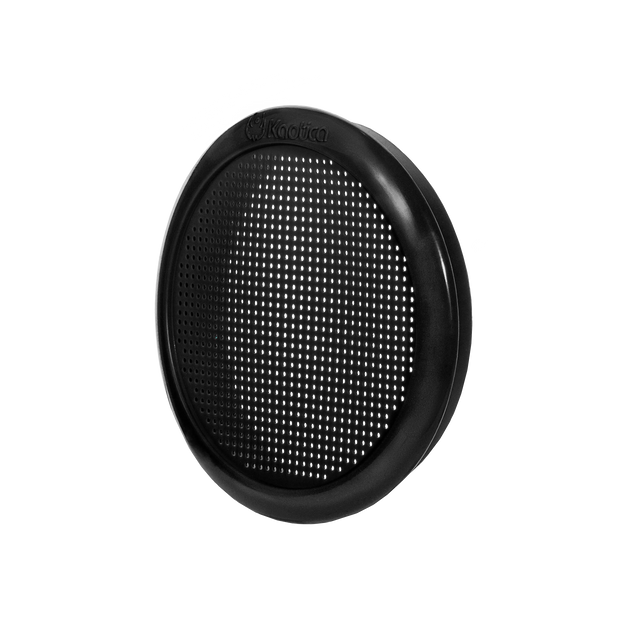
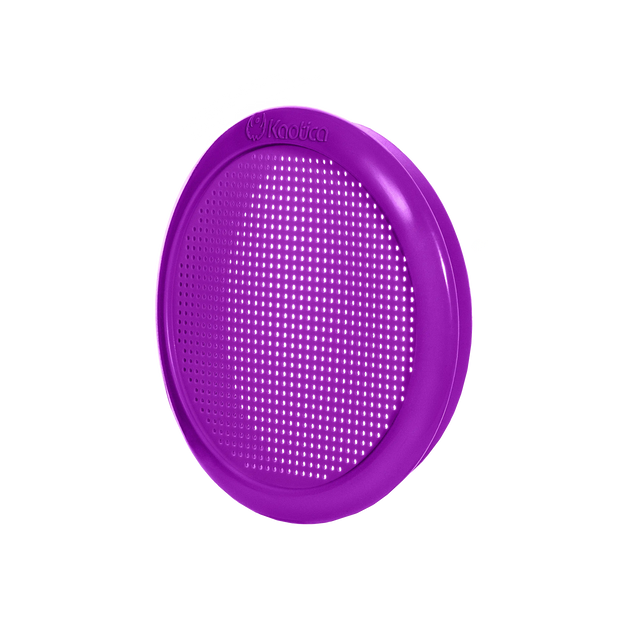
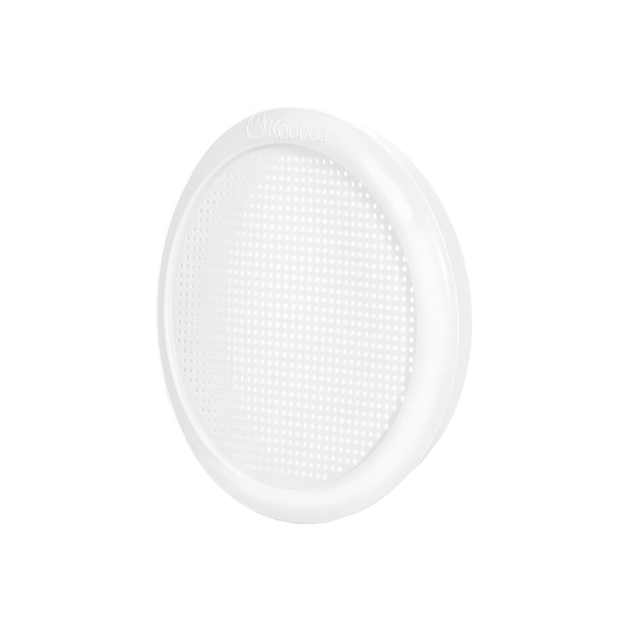
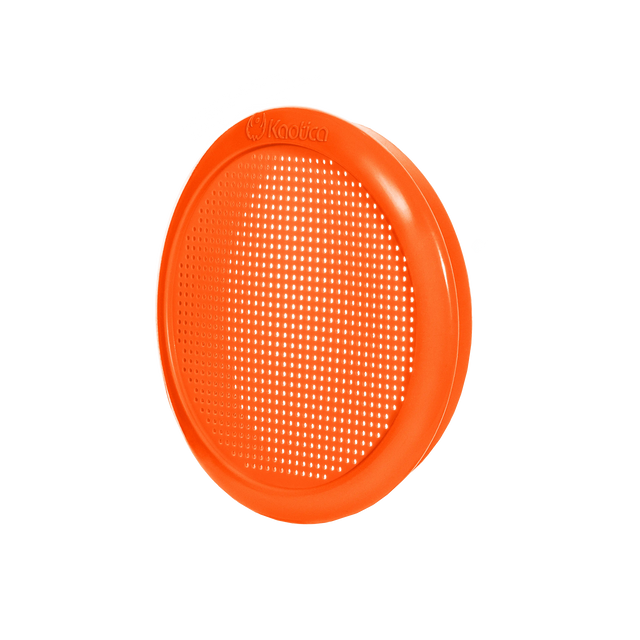
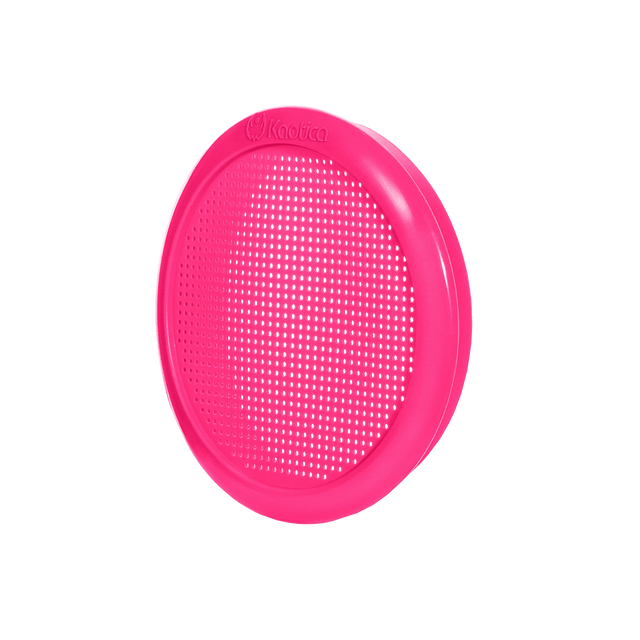
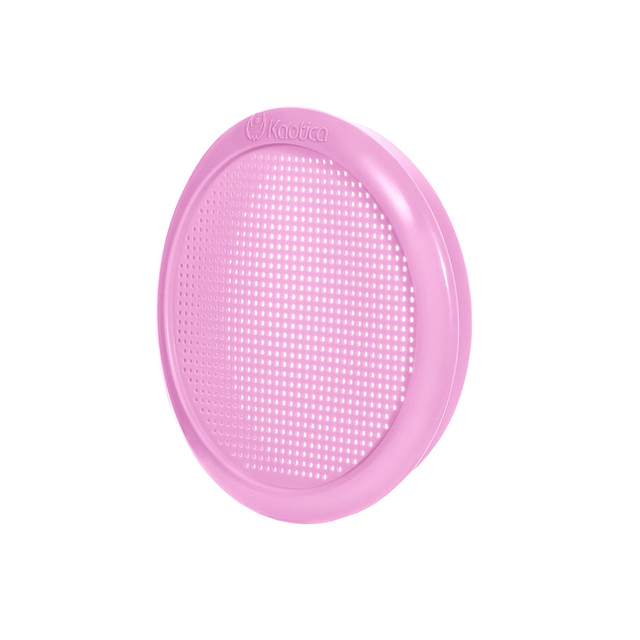
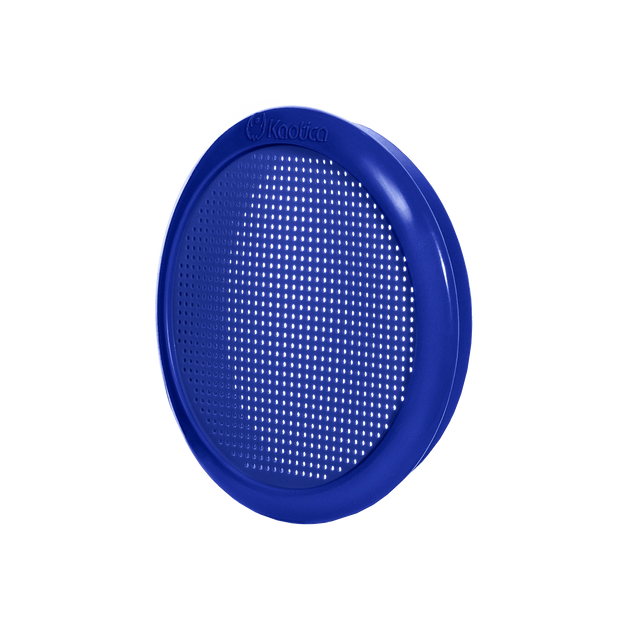
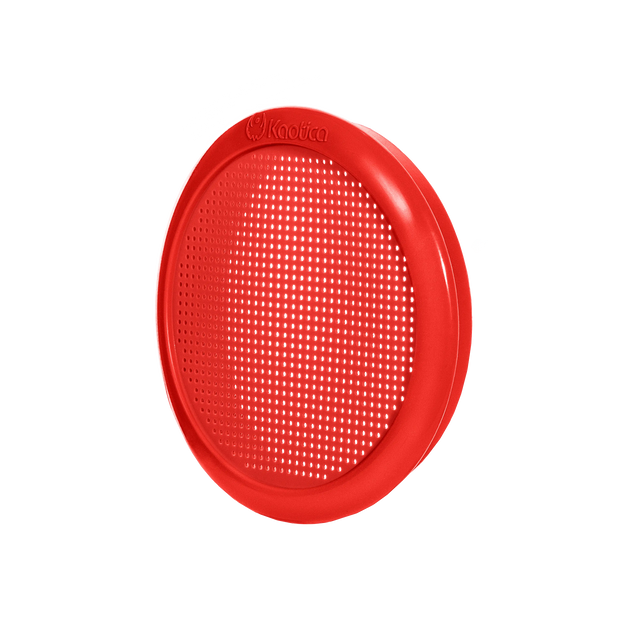
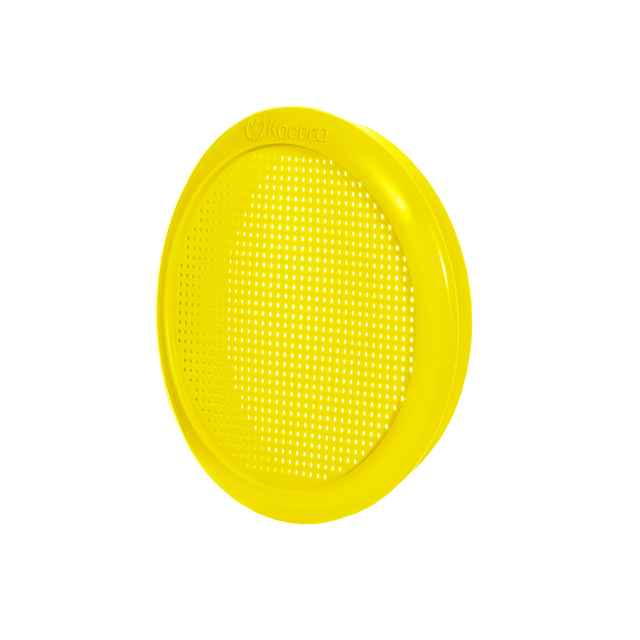
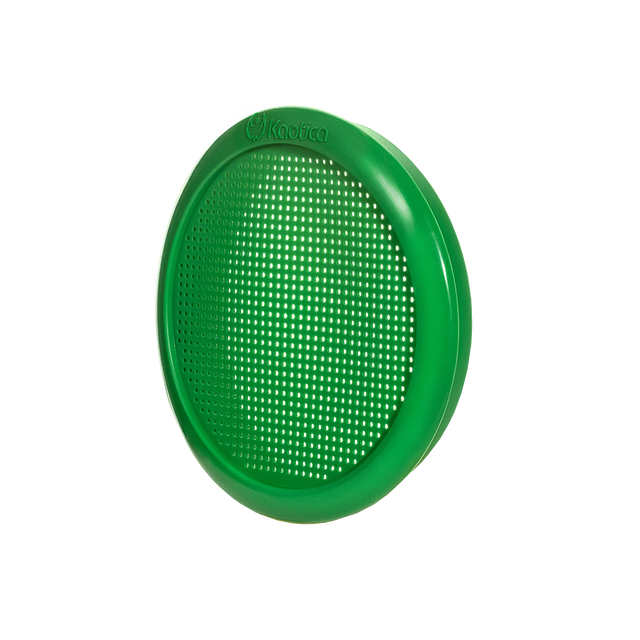
Kaotica also incorporates a removable silicone pop filter directly into the Eyeball.
Its perforation pattern helps disperse bursts of air created by consonants such as P and B before they reach the microphone capsule.
The silicone design is reusable, moisture resistant, removable, and dishwasher safe, eliminating the need for a separate fabric pop filter and mounting arm.
Cleaner Audio Before Postproduction
One of the most important advantages of microphone level acoustic control happens after recording.
Room reflections that reach the microphone are recorded into the audio file.
Software can help reduce them, but removing unwanted room sound after the fact can require corrective EQ, de reverb, restoration, noise reduction, or AI processing.
Those tools are useful, but they work best when they begin with a good source recording.
Kaotica helps address the problem earlier in the signal chain.
Cleaner input means less repair later.
A cleaner source vocal can give producers and engineers more freedom to intentionally add the reverb, ambience, warmth, delay, and character they want instead of trying to remove unwanted room sound first.
Consistency From Room to Room
Recording environments change.
A musician might work in a bedroom one day, a studio the next, and a hotel room while traveling.
Every space has different dimensions, furniture, surfaces, and acoustic characteristics.
Because Kaotica travels with the microphone, it can help reduce some of those environmental variables and create a more repeatable recording setup.
That makes it especially useful for:
Musicians and vocalists
Voice actors and audiobook narrators
Podcasters
Producers and engineers
Streamers
Content creators
Traveling artists
Home studio owners
The room can change while the acoustic environment immediately around the microphone remains more consistent.
Kaotica Is Not Soundproofing
This distinction is important.
The Kaotica Eyeball is not a sealed isolation booth and is not designed to completely block loud external noise.
It cannot make traffic, construction, loud HVAC systems, conversations, or other strong sound sources disappear.
Its primary function is to help control room reflections and unwanted room influence around the microphone.
Good microphone placement, proper gain staging, appropriate recording distance, and controlling loud environmental noise still matter.
Why Not Just Surround a Microphone With Foam?
Because reducing room sound is only half of the challenge.
An enclosure can make a recording drier while also changing the vocal in undesirable ways.
The wrong foam, opening dimensions, internal shape, microphone position, or capsule placement can remove useful vocal detail or create unwanted internal acoustic behavior.
The result may sound:
Dark
Hollow
Boxy
Closed in
Muffled
This is often described as the cup effect.
Kaotica was engineered to avoid simply over absorbing the microphone environment. Its acoustic material, geometry, microphone fit, front opening, sound channel, and pop filter function together as a complete system.
The goal is not simply less sound.
It is less unwanted room while preserving the voice.
A Portable Vocal Booth Alternative
Traditional acoustic treatment can be highly effective, but it requires a room that can actually be treated.
That may involve wall panels, bass trapping, room measurement, placement planning, construction, or a dedicated vocal booth.
That works well for permanent studios.
It is much less practical for someone living in an apartment, traveling, renting a space, or recording in multiple locations.
Kaotica brings acoustic control directly to the microphone.
There are no walls to cover and no booth to construct.
Set up the microphone, install the appropriate Kaotica, establish proper recording level and placement, and record.
That simplicity is what makes the Eyeball a practical alternative for modern creators working outside traditional studios.
Better Source Audio for Modern Workflows
Today's recordings increasingly pass through sophisticated software.
Vocals may be processed through restoration software, de reverb tools, noise reduction, automatic editing, or AI powered enhancement systems.
But processing does not change a fundamental principle of recording:
The better the original signal, the more information you have to work with later.
Kaotica helps improve that signal before the software becomes involved.
That can mean less corrective processing, fewer unwanted artifacts, faster postproduction, and greater control over the finished sound.
Studio Sound Simplified
The idea behind the Kaotica Eyeball is straightforward.
Instead of trying to control every surface in the room, control the acoustic environment where the recording is actually being captured.
The Eyeball combines custom acoustic material, controlled internal geometry, microphone specific fit, a focused sound channel, integrated plosive control, and portability into one microphone level acoustic system.
It does not replace a professionally designed studio.
It gives creators another way to achieve cleaner, more consistent recordings when a professionally treated room is not available.
Less room. More voice.
Treat the mic. Not the room.
