

Dave Pensado and the Kaotica Eyeball
Better recordings before the mix
Dave Pensado’s name appears in the credits of records by Michael Jackson, Mariah Carey and Mary J. Blige. Through Pensado’s Place, the show he created with Herb Trawick, he has also helped other engineers understand the craft behind the music. His career in recording and education has made him a familiar figure to people learning to listen more closely.
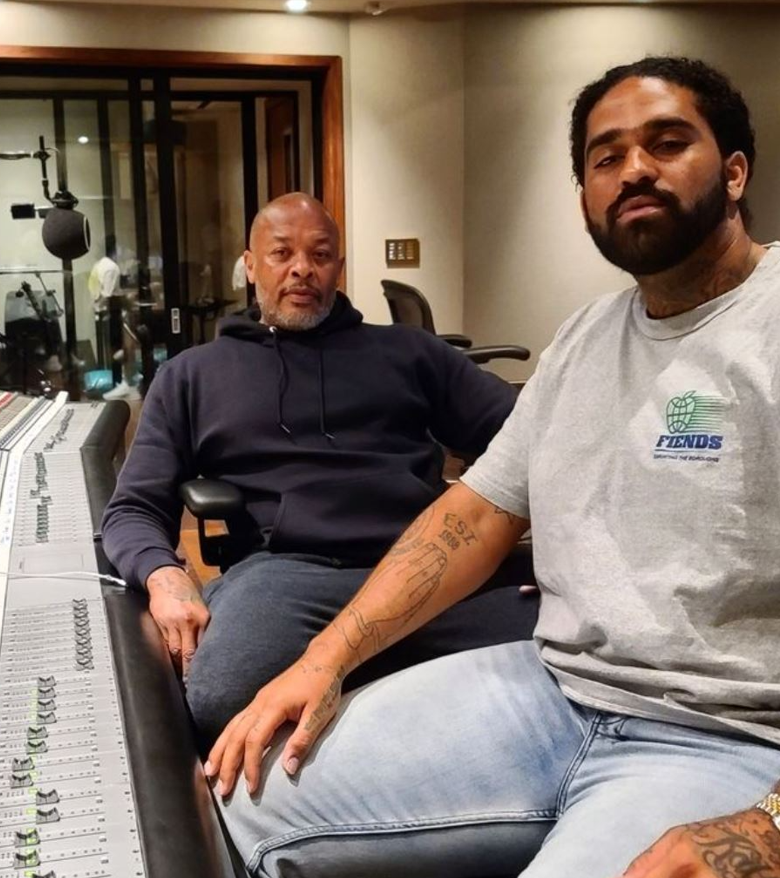
For Konrad Zukowski, inventor of the Kaotica Eyeball, meeting Dave was an opportunity to share his own contribution to that craft. Before the pandemic, Konrad introduced Dave to the Eyeball and gave him one as a gift. He admired Dave’s work and wanted to put the product in his hands so he could experience it for himself.
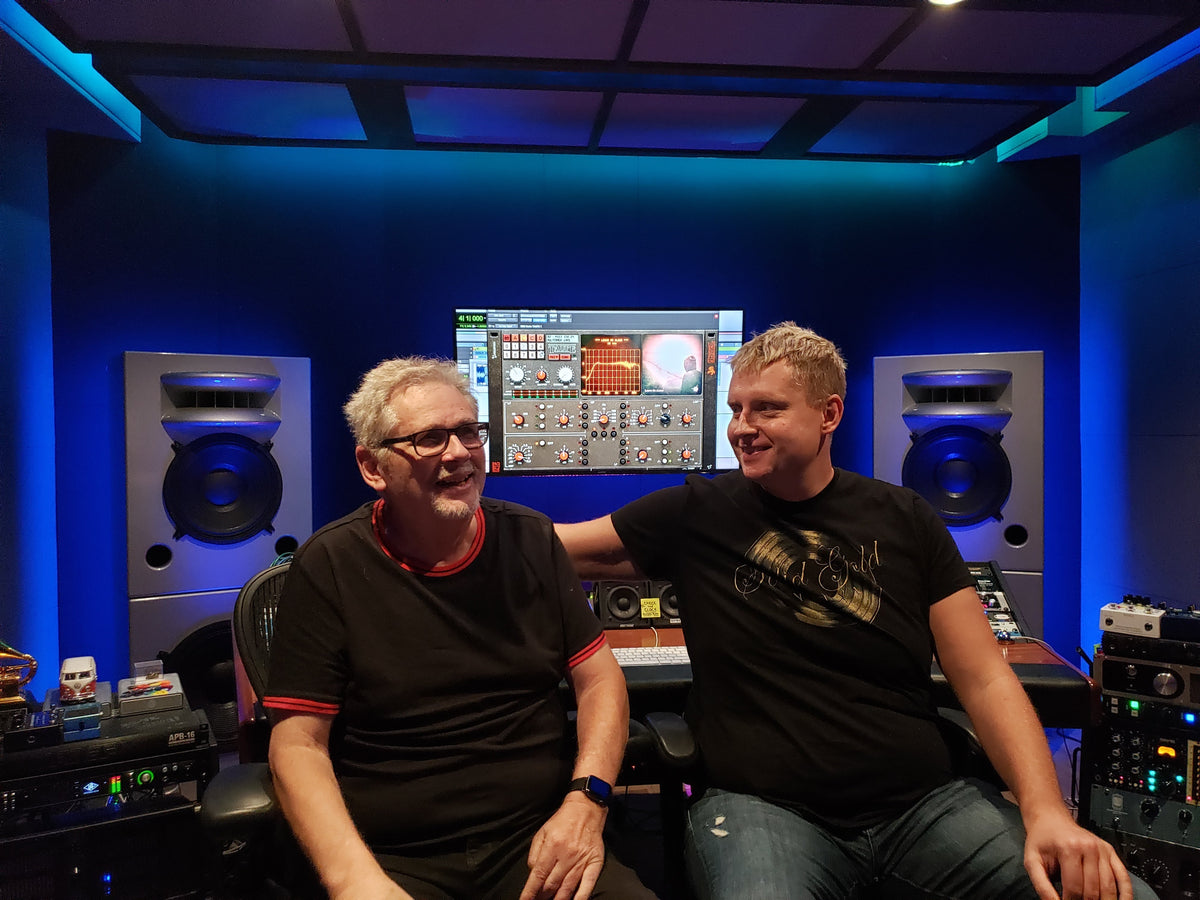
The photograph from their meeting captures a relaxed moment in the studio, with Dave and Konrad seated in front of the monitors and recording equipment. For an inventor, bringing a product into a setting like that is a chance to see how an idea fits into the working world it was designed to serve.
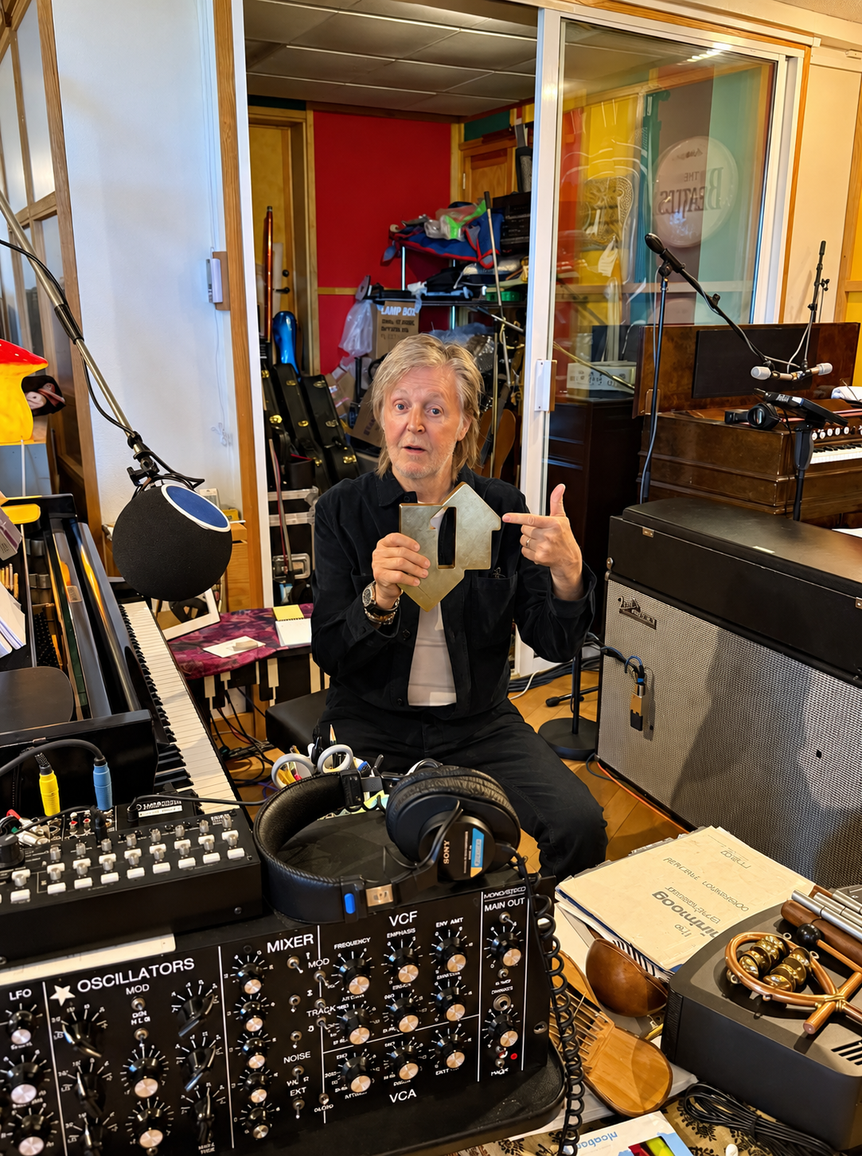
Dave went on to incorporate the Eyeball into his studio setup. That connection is particularly interesting because Kaotica works at the beginning of a process that a mix engineer helps bring to completion.
By the time a vocal reaches the mix, much of its character has already been captured. The performance, microphone position and recording environment all contribute to what the engineer hears. Unwanted room reflections become another element to manage alongside the vocal’s tone, dynamics and place in the arrangement.
That matters when the appeal of a performance lies in its detail. A quiet phrase needs to remain intelligible. A lead vocal needs to sit comfortably with the instruments. Layers of harmony need to blend. The quality of the original recording influences how easily those decisions can be made.
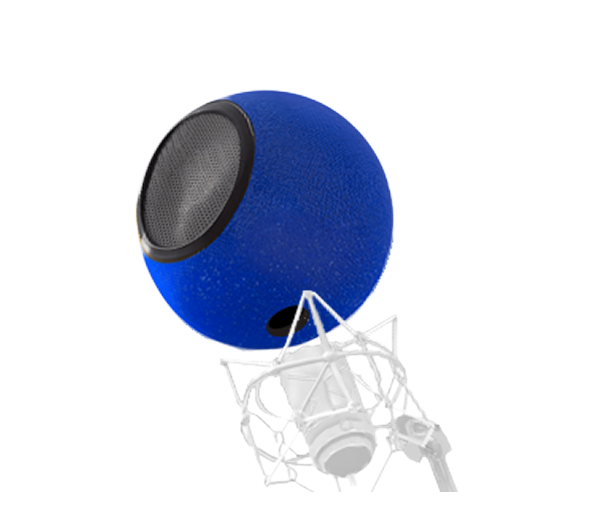
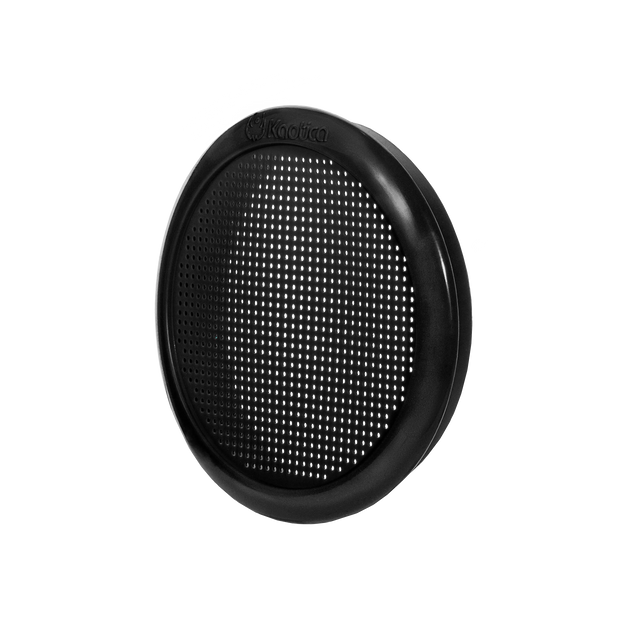
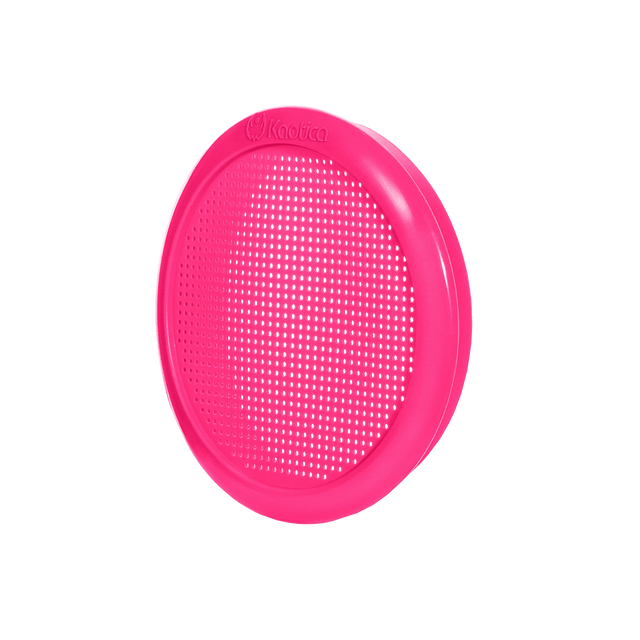
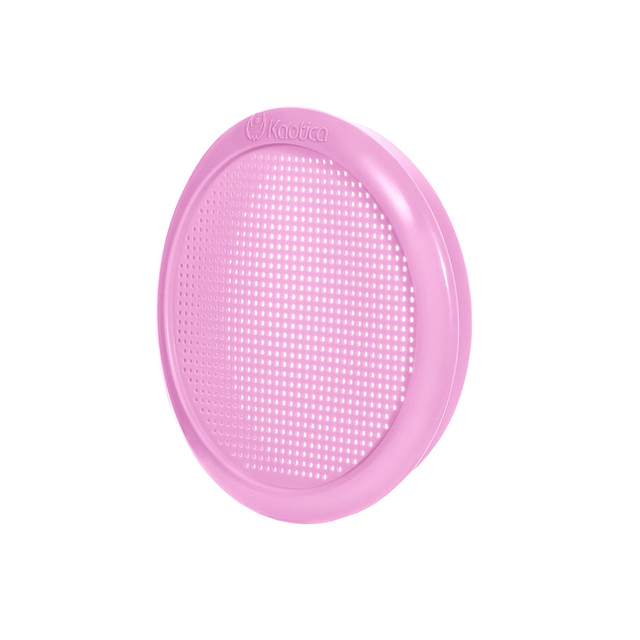
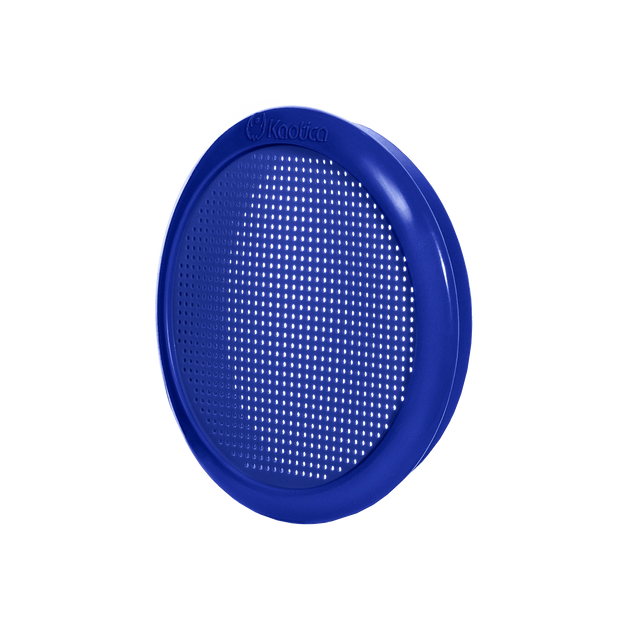
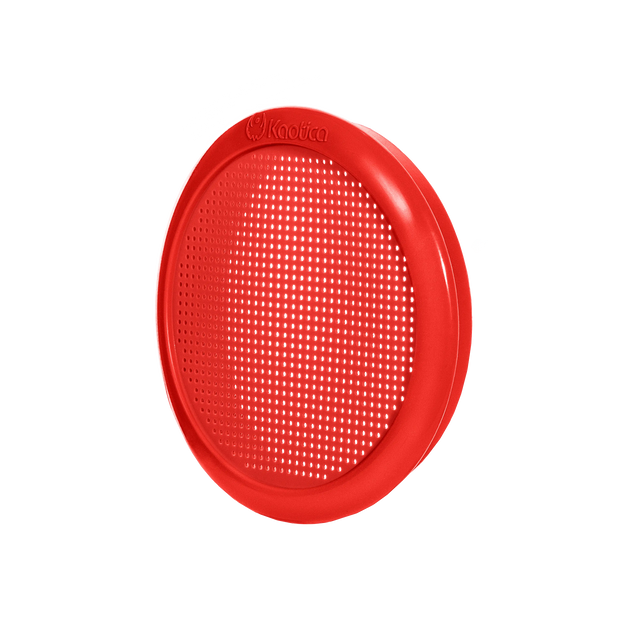
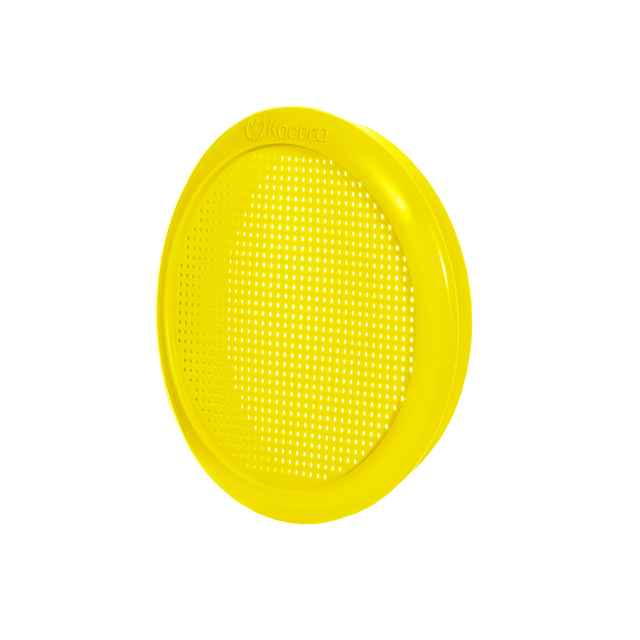
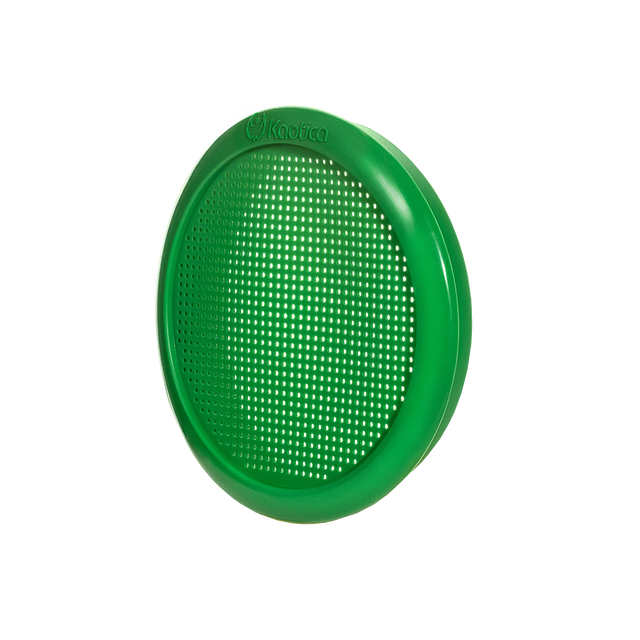
The Kaotica Eyeball is designed to help reduce unwanted room reflections at the microphone. It fits around a compatible mic and works acoustically during capture, while the microphone continues to feed the artist’s chosen preamp or audio interface. Its compact design makes it practical to bring that setup into different recording spaces.
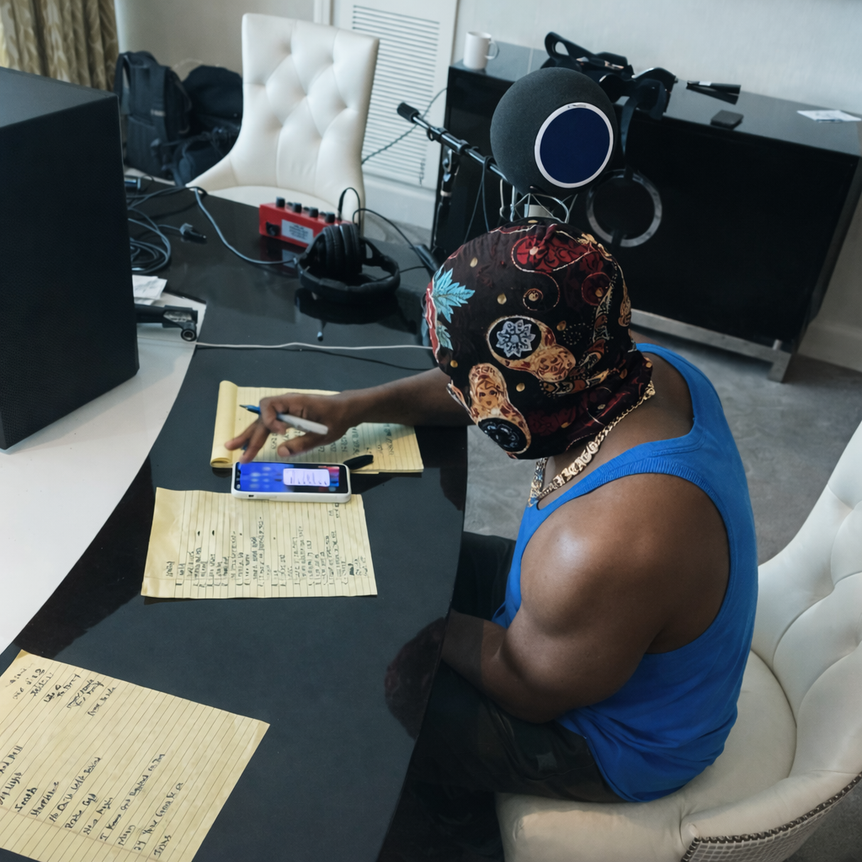
For artists, the value is in being ready to work. A new harmony might arrive while writing beside a computer. A lyric might change after the main session. A portable recording setup makes it easier to try those ideas as the song develops. Careful microphone placement and recording levels remain essential, with the Eyeball supporting greater control over the sound being captured.
A more controlled vocal recording can also give the mixer greater freedom to choose its final sense of space. The voice might stay close and intimate, or become part of a larger, more atmospheric production. Starting with less unwanted room sound can leave more flexibility for those creative decisions.
There is a useful connection between the knowledge Dave shares and the problem Konrad set out to solve. Learning how recording works helps artists make better decisions. Practical tools help them apply that understanding in the spaces available to them.
For Kaotica, the meeting remains a personal part of the company’s story. Konrad shared a product he had created with an engineer he admired, and Dave found a place for it in his studio. That exchange connects two parts of making a record: capturing a performance with care and giving the mix something worth building on.